Destructive Plant Virus Emerges in Israeli Greenhouses Threatening Major Crops
Genetic analysis reveals a stealthy orthotospovirus bypassing standard tests and infecting tomatoes, peppers, and ornamentals.
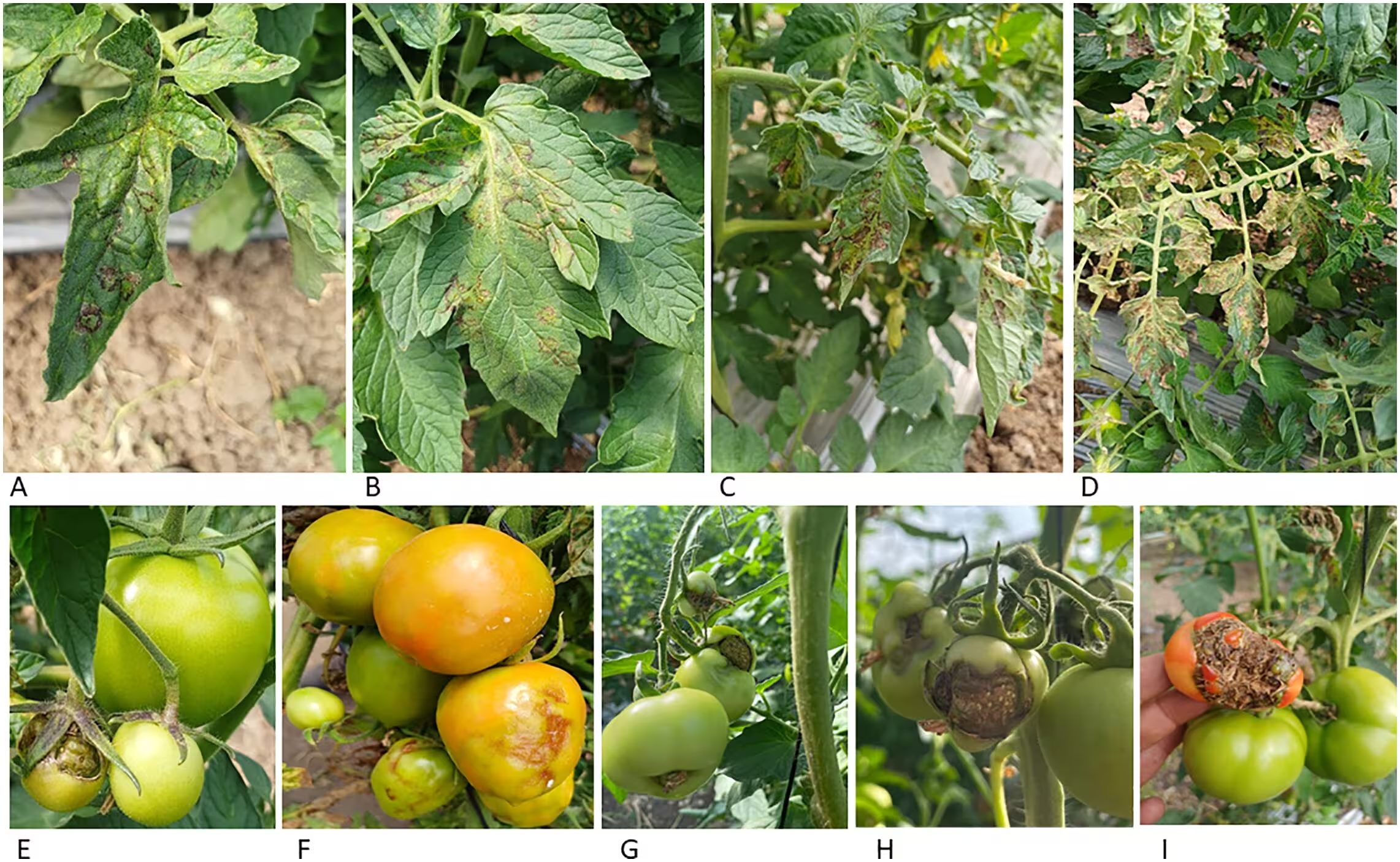
A destructive plant virus has quietly established itself in Israeli commercial greenhouses, infecting valuable tomato, pepper, and ornamental crops with severe necrosis and leaf yellowing. The pathogen, identified as tomato yellow ring orthotospovirus, caused widespread concern among farmers because its symptoms closely mimic those of the well-known tomato spotted wilt virus while evading standard diagnostic tests.
Orthotospoviruses are among the most economically damaging plant viruses globally, relying on tiny insects called thrips to spread from plant to plant. While researchers previously tracked similar outbreaks in parts of Europe and Asia, the 2024 emergence in central Israel affected crops that carried genetic resistance meant to protect against traditional viral strains. The complete findings were published in PLOS One by Maya Shamgar-Bender and colleagues.
How the Emerging Virus Outbreak Unfolded in Israel
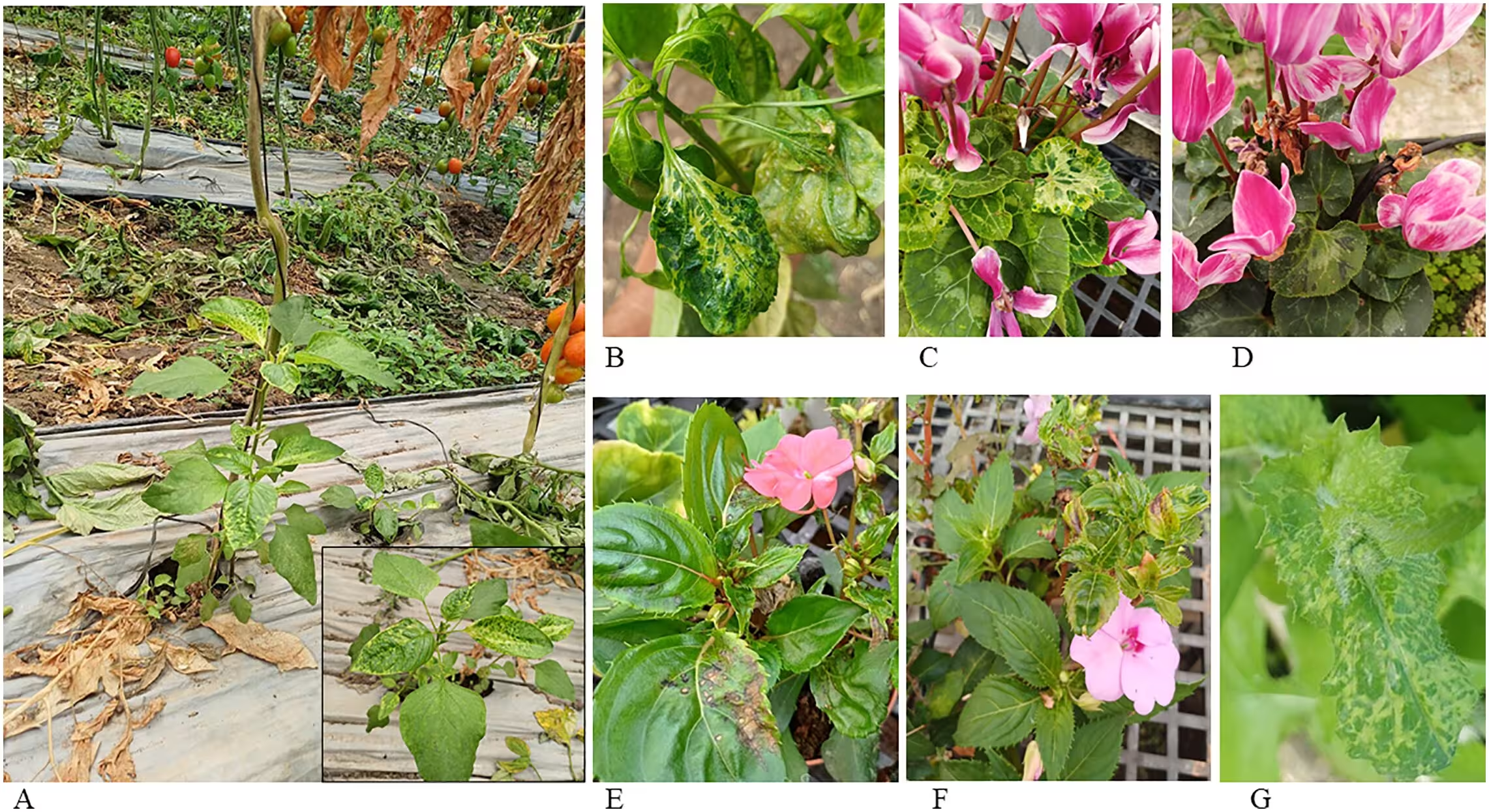
In February 2024, commercial tomato growers in the Hefer Valley noticed unusual leaf yellowing, curling, and dark necrotic ring spots on plants just thirty to forty days after planting. Early laboratory screenings using enzyme-linked immunosorbent assays and polymerase chain reaction tests returned negative results for common threats such as tomato spotted wilt virus, cucumber mosaic virus, and tomato brown rugose fruit virus. As the growing season progressed, adjacent pepper crops began showing severe mosaic symptoms and leaf deformations.
Investigators expanded their search to nearby ornamental nurseries and found similar viral symptoms in cyclamen, impatiens, and gazania plants. By utilizing high-throughput genomic sequencing on symptomatic tissue samples, the research team successfully decoded the tripartite RNA genome of the pathogen and confirmed it as tomato yellow ring orthotospovirus. The virus possesses a genome separated into large, medium, and small segments encoding essential proteins like the RNA-dependent RNA polymerase and movement proteins.
Understanding the Broad Host Range and Recombination Risks
Experimental inoculations and field surveys revealed that the virus infects species across eight different plant families, including vegetables, ornamentals, and common weeds. Weeds such as slender amaranth and jimsonweed tested positive for the pathogen, pointing to potential environmental reservoirs that could harbor the infection between agricultural growing seasons. Western blot analyses and transmission electron microscopy confirmed high concentrations of viral nucleocapsid proteins and typical spherical virions measuring roughly 100 nanometers in diameter.
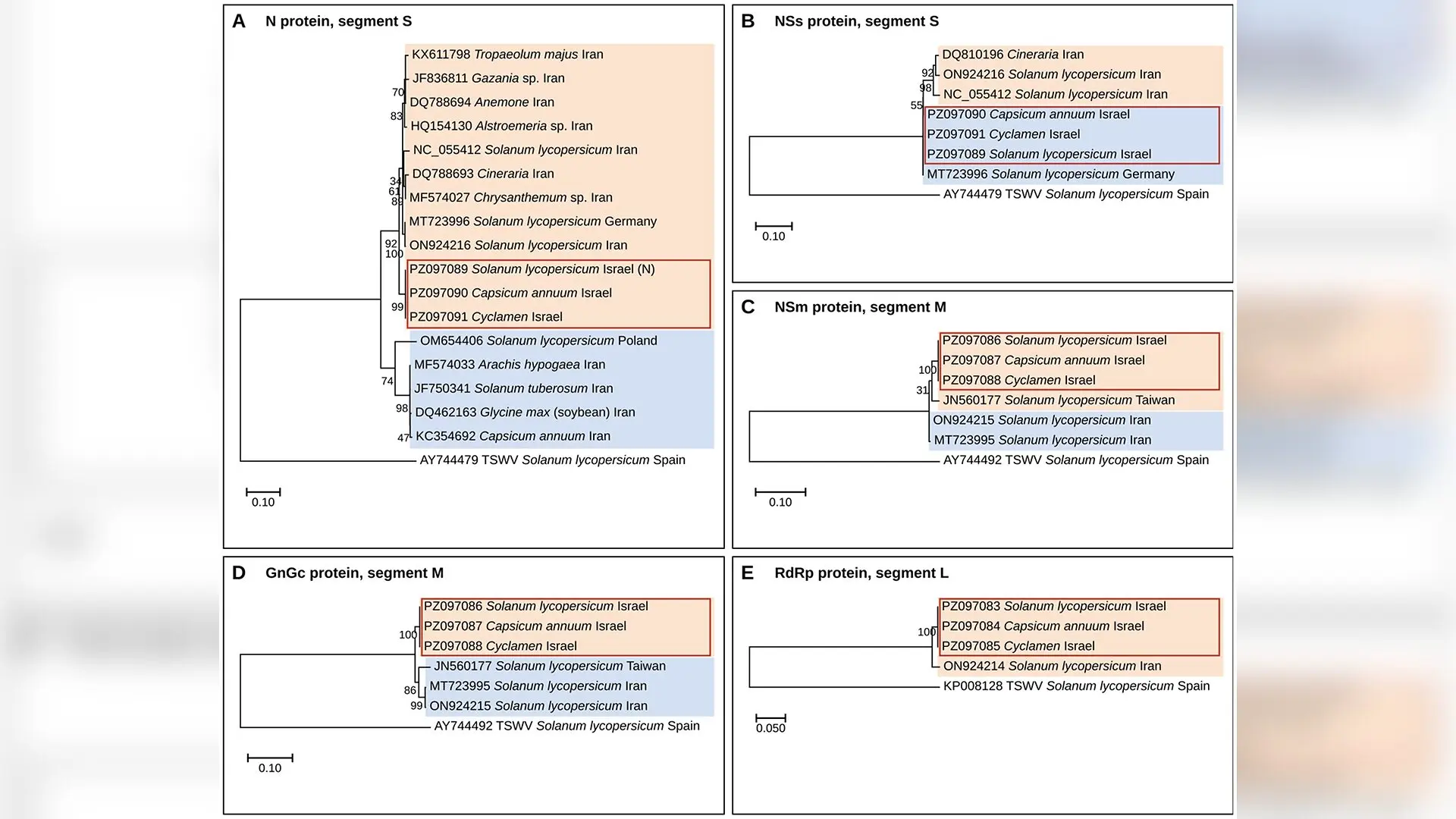
Phylogenetic and recombination analyses of the viral sequences indicated that the Israeli isolates underwent genetic recombination within their small and medium RNA segments. Comparisons with international database sequences showed that local strains shared ancestry with variants previously isolated in Iran and other regions, though the exact introduction pathway into Israel remains uncertain. The presence of mixed infections involving other regional viruses complicated fruit development, causing severe scarring and malformations known as catface on ripening tomatoes.
What These Findings Mean for Agricultural Biosecurity
The discovery of this multi-vector pathogen highlights the ongoing adaptation of plant viruses to new agricultural regions and resistant crop varieties. Because thrips species capable of transmitting the virus are active in the area, agricultural authorities stress the need for updated diagnostic protocols in regional laboratories. Implementing strict pest management and monitoring weed populations near greenhouses will be vital to prevent further economic losses in vegetable and ornamental production.
The research was published in PLOS One on November 20, 2026.
This article has been fact checked for accuracy, with information verified against reputable sources. Learn more about us and our editorial process.
Last reviewed on .
Article history
- Latest version
Reference(s)
- Shamgar-Bender, Maya., et al. “Emergence of tomato yellow ring orthotospovirus infecting solanaceous and ornamental hosts in Israel.” PLOS One, vol. 21, no. 11, November 20, 2026, pp. e0359354 Public Library of Science (PLoS), doi: 10.1371/journal.pone.0359354. <https://doi.org/10.1371/journal.pone.0359354>.
Cite this page:
- Posted by Faisal Qureshi