Common Drinking Water Disinfection Methods Dramatically Shift Gut Microbiota Without Changing Body Weight
A head-to-head evaluation of four water regimens in mice shows major shifts in bacterial populations and metabolic potential.
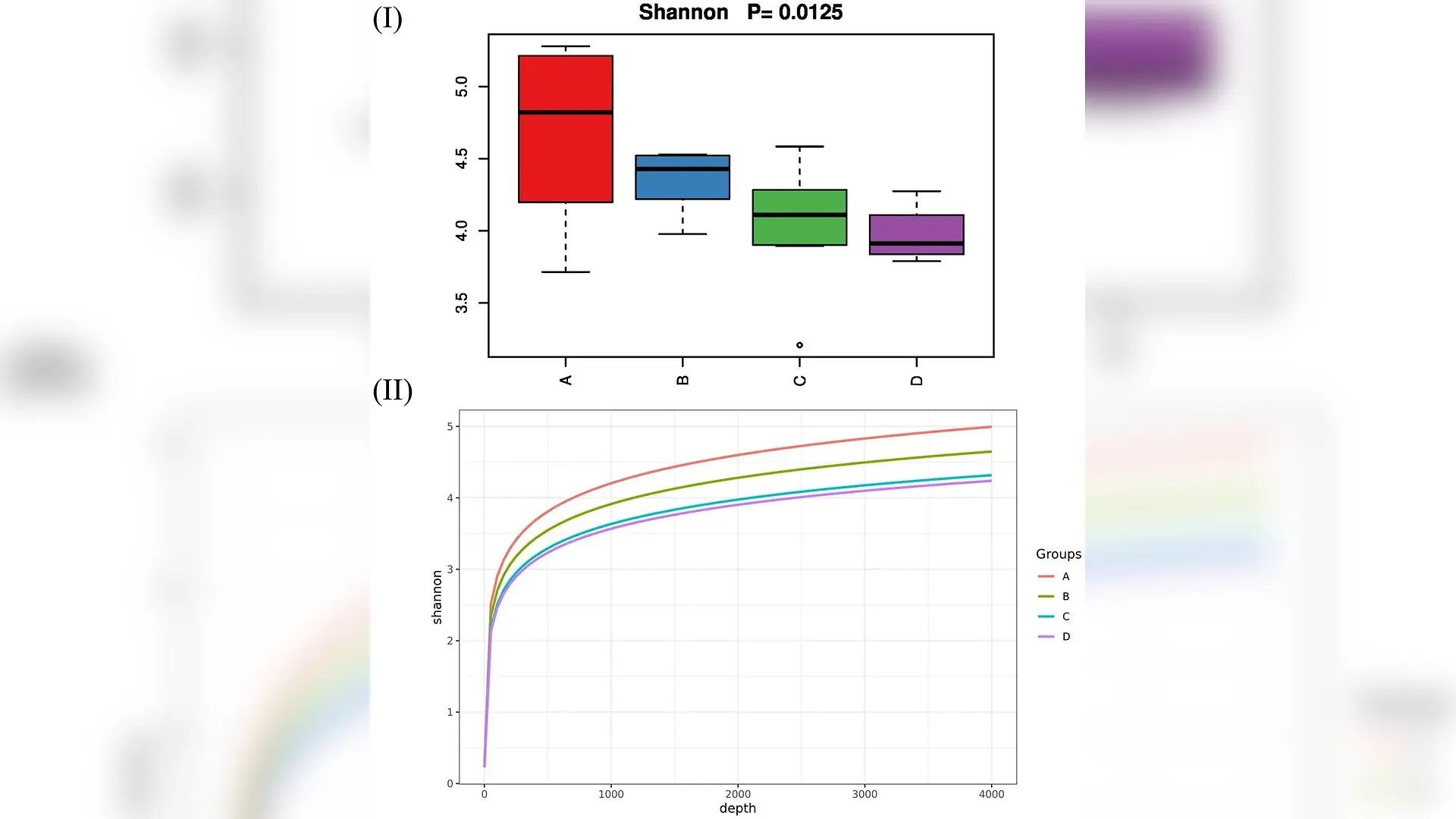
Routine drinking water treatments used in laboratories and municipal systems, including acidifiers and chlorine, profoundly reshape the internal microbial communities of mice without altering their overall body weight. A team of researchers led by Zhengyu Zhou at Soochow University evaluated 32 male C57BL/6J mice over a 12-week period to determine how standard water conditioning methods impact gut biology. The study, published in PLOS One, examined whether reverse osmosis water, hydrochloric acid-acidified water, sulfuric acid-acidified water, or chlorinated water created distinct shifts in fecal microbiota and metabolic pathways.
How Does Water Treatment Alter Gut Bacterial Diversity?
The investigation revealed that the choice of drinking water directly impacts both the variety and balance of microorganisms residing in the gastrointestinal tract. Mice receiving standard reverse osmosis water maintained the highest fecal microbial alpha diversity, meaning a rich and varied ecosystem of bacteria. In contrast, animals drinking chlorinated water exhibited the lowest diversity levels. Both types of acidified water produced intermediate results, while principal coordinate analysis confirmed distinct community separations between all four groups.
At the phylum level, Firmicutes, Bacteroidota, and Verrucomicrobia dominated across all subjects. However, sulfuric acid-treated and chlorinated water groups showed significant decreases in Firmicutes alongside substantial increases in Bacteroidota. Furthermore, all three treatment groups experienced a dramatic reduction in Actinobacteriota, a beneficial phylum that includes Bifidobacterium, which plays a major role in supporting intestinal barrier function and immune regulation.
Why Did Water Regimens Increase Feed and Water Intake?
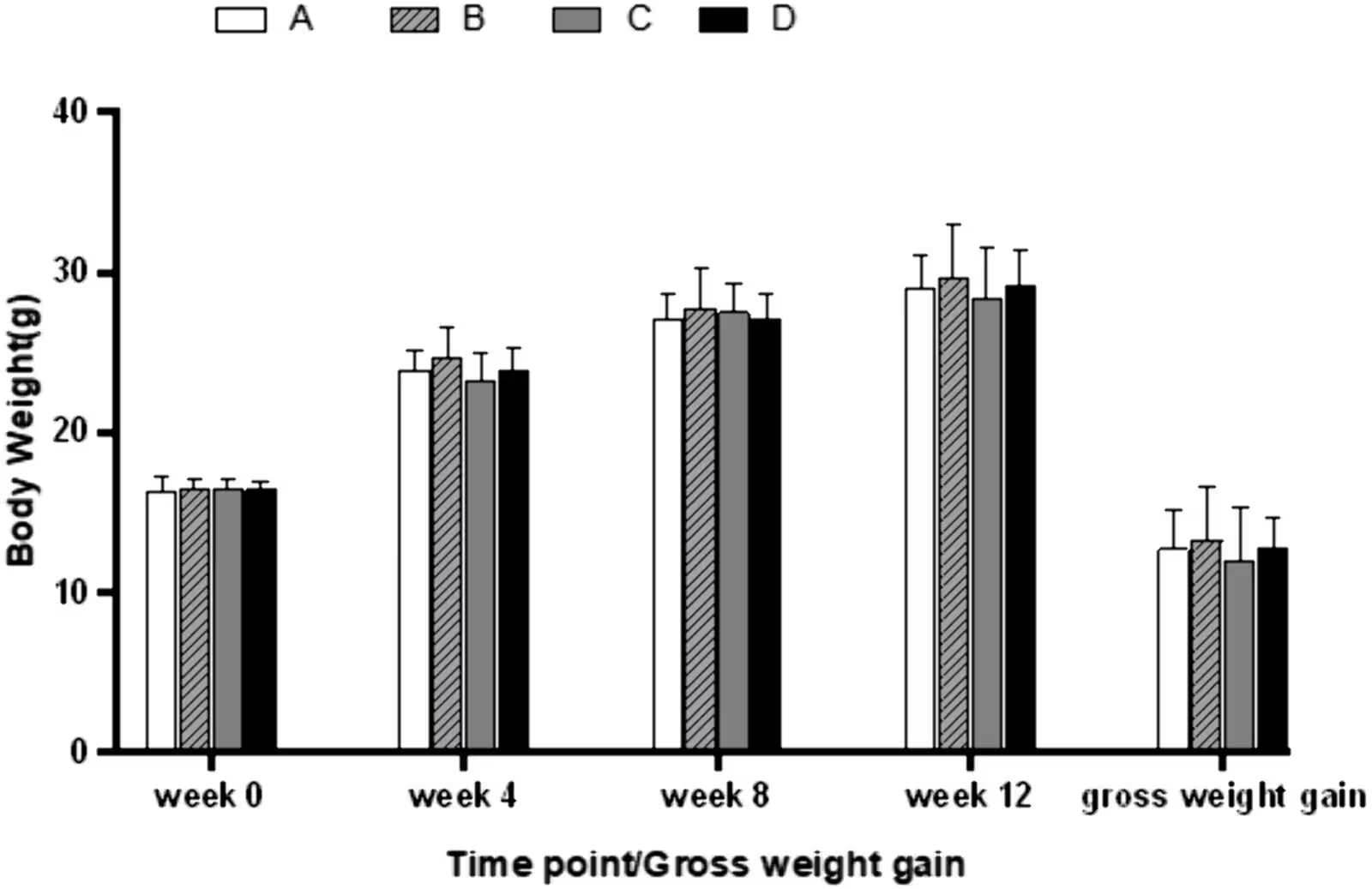
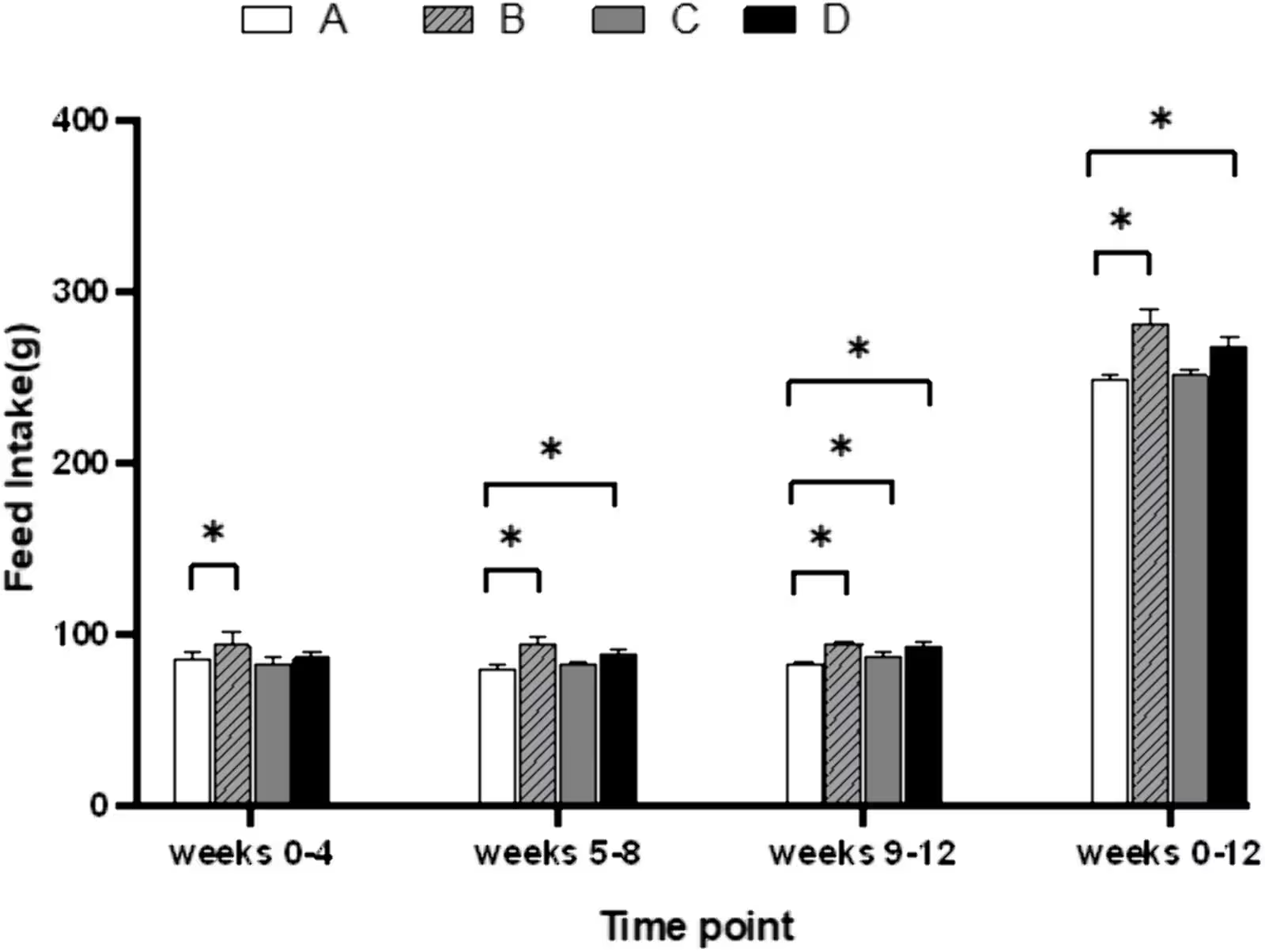
Despite consuming significantly more food and water, the mice in the treated groups did not show any statistically significant differences in final body weight or total weight gain compared to the control group. Specifically, animals given hydrochloric acid and chlorine increased their total feed intake by about thirteen percent and eight percent respectively over the 12-week span. Water consumption climbed even higher, with chlorinated water drinkers increasing their intake by about nineteen percent.
The authors suggest that these behavioral adjustments stem from a metabolic trade-off. Acidified or chlorinated water may induce local gastrointestinal irritation, prompting the body to expend extra energy repairing mucosal tissues and maintaining homeostasis. By eating and drinking more, the mice acquired additional calories to fuel these internal maintenance tasks rather than putting the energy toward physical growth.
What Are the Implications for Laboratory Science and Human Health?
The microbial remodeling observed in the study points to potential hidden variables in biological research. Because different animal facilities rely on their own preferred water sterilization practices, these underlying microbial shifts might contribute to inconsistent experimental results across laboratories. Standardizing water management protocols could help improve the reproducibility of animal disease models.
From a broader perspective, the findings offer intriguing parallels for human nutrition and public health. Chronic daily exposure to low-pH beverages like sports drinks and carbonated sodas, or residual chlorine in municipal tap water, may similarly influence human gut bacteria. However, the researchers emphasize several limitations in their work. The team tested only male mice of a single strain, focused exclusively on fecal samples rather than the entire intestinal tract, and relied on genetic predictions rather than direct metabolomic measurements. Future investigations will need to verify whether similar shifts occur across female subjects, different mouse strains, and human populations.
The research was published in PloS one on November 23, 2026.
This article has been fact checked for accuracy, with information verified against reputable sources. Learn more about us and our editorial process.
Last reviewed on .
Article history
- Latest version
Reference(s)
- Pan, Mingming., et al. “Effects of long-term exposure to four widely used drinking water regimens on growth performance and fecal microbiota in C57BL/6J mice.” PLOS One, vol. 21, no. 11, November 23, 2026, pp. e0363542 Public Library of Science (PLoS), doi: 10.1371/journal.pone.0363542. <https://doi.org/10.1371/journal.pone.0363542>.
Cite this page:
- Posted by Faisal Qureshi