Mosquitoes Enter Multi-Day Slumber After Blood Meals Due to a Surprising Dietary Protein Trigger
New research reveals that protein consumption induces days of heavy rest in Aedes aegypti, outlasting normal host-seeking recovery windows.
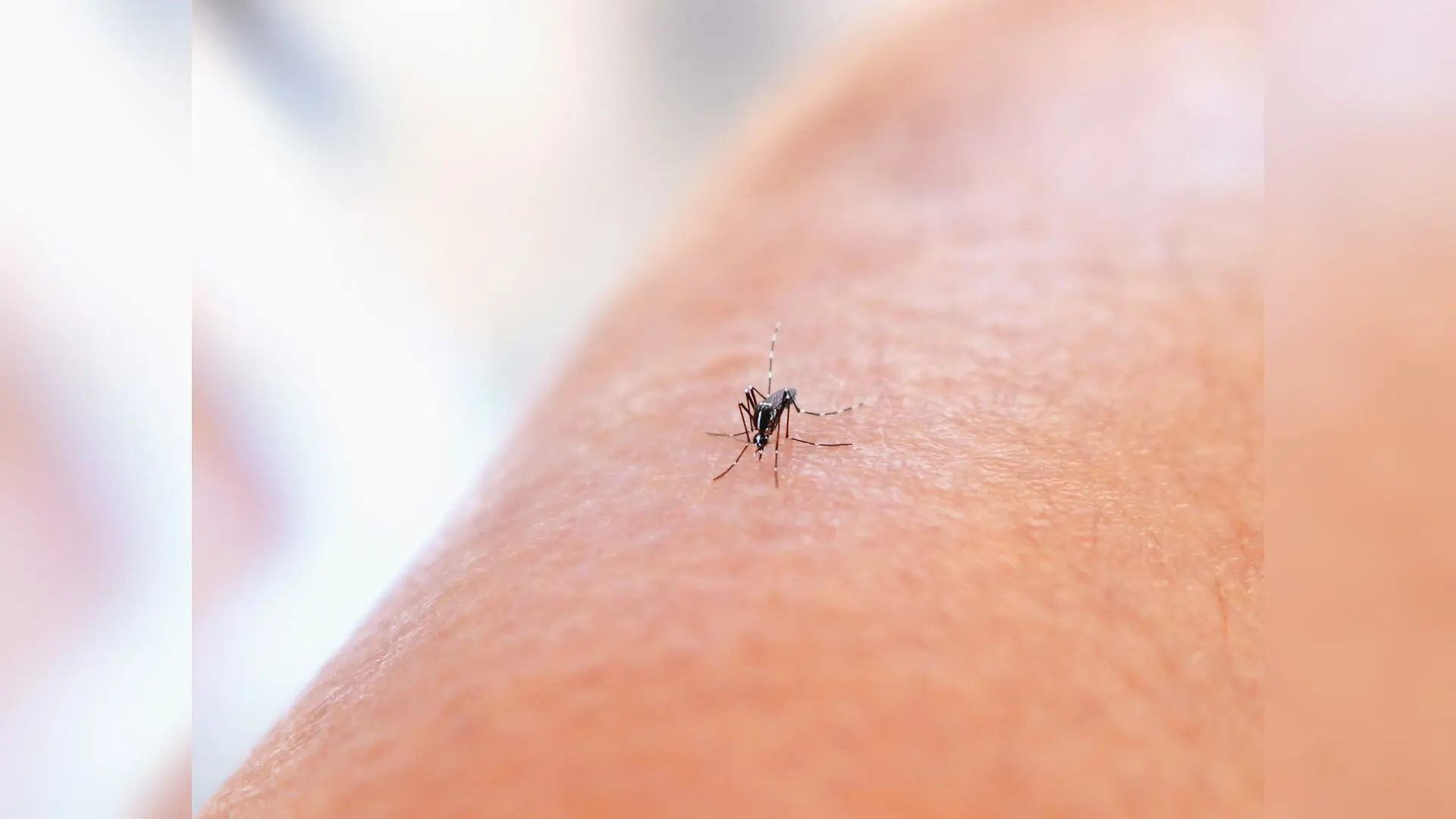
Female mosquitoes enter a deep, multi-day slumber immediately after consuming a blood meal, fundamentally shifting their behavior well beyond the standard window of host-seeking recovery. Researchers at Texas A&M University discovered that this heavy post-meal rest is driven directly by dietary protein rather than simple gut distension or caloric intake.
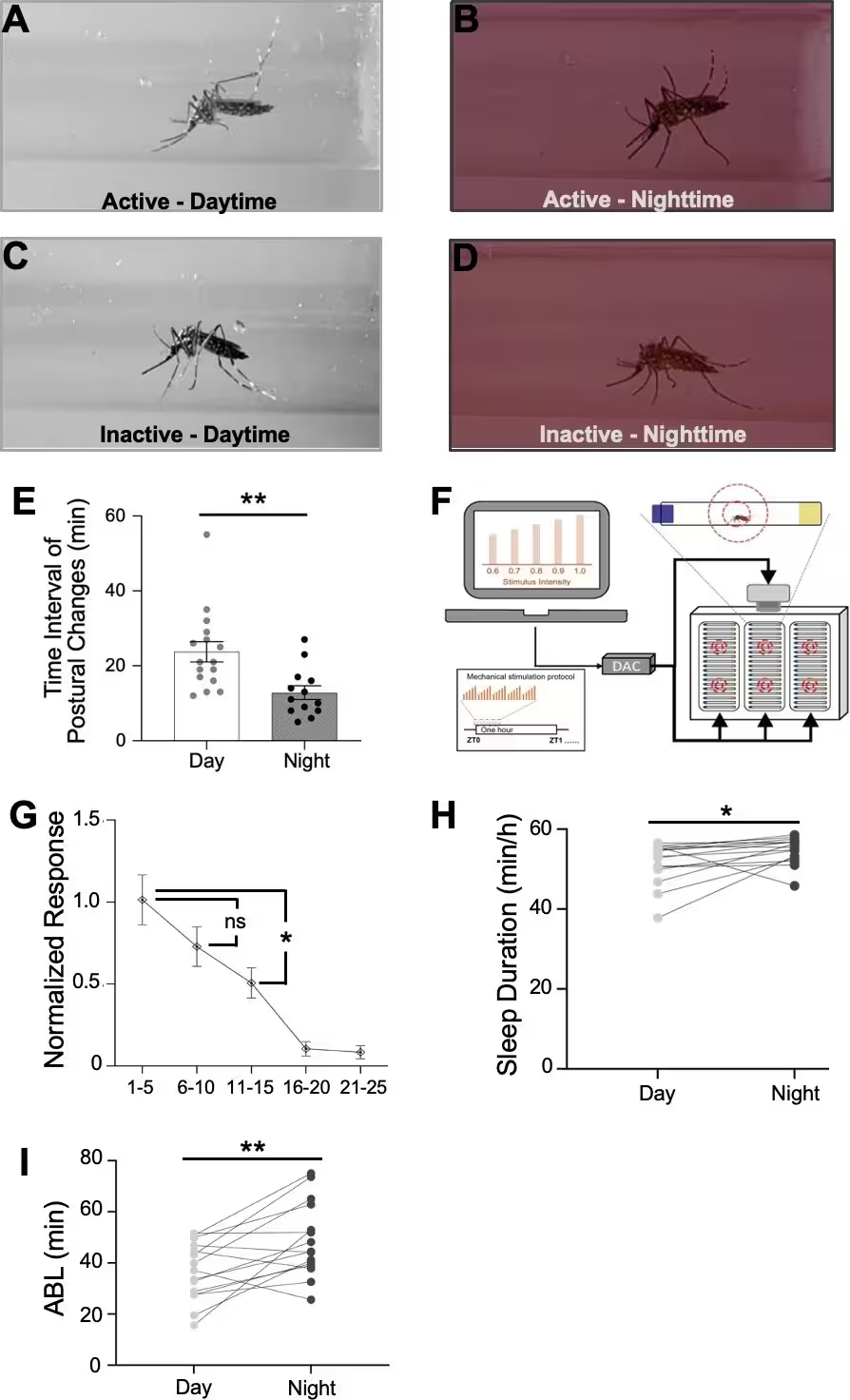
To uncover how feeding alters rest patterns, Jiwei Zhang and colleagues first had to establish reliable metrics for mosquito slumber. Utilizing high-resolution videography, postural analysis, and sensory arousal thresholds, the team determined that periods of bodily immobility lasting ten minutes or longer accurately define true rest in the yellow fever mosquito, Aedes aegypti. During these quiet bouts, the insects elevate their hind legs and alter their proboscis orientation, mirroring validated behavioral markers observed in other insect models.
When tracking the insects following a blood meal, the investigators observed an immediate surge in quiet behavior that persisted for up to five days. This unexpected duration caught the research team by surprise, as host-seeking motivation typically returns within seventy-two hours after feeding. The detailed findings were published in eLife, outlining how postprandial inactivity outlasts initial behavioral recovery windows.
How Does Dietary Protein Trigger Multi-Day Quid-Pro-Quo Slumber?
To pinpoint the exact dietary component responsible for this heavy inactivity, the team tested whether artificial meals could mimic the natural effect of vertebrate blood. When female mosquitoes were fed a solution containing bovine serum albumin, which is a major blood protein, combined with adenosine triphosphate as a feeding stimulant, the insects exhibited the exact same sleep-promoting and movement-reducing effects as those fed on real blood.
Statistical analysis of sleep architecture confirmed that these protein-fed insects demonstrated lower wake propensity and higher sleep propensity, alongside reduced movement intensity during waking minutes. These metrics proved that dietary protein alone acts as a potent nutritional regulator of post-meal lethargy.
What Role Does Cellular Signaling Play in Post-Meal Inactivity?
The researchers also investigated the molecular pathways governing this phenomenon by targeting the leucokinin receptor, a protein known to regulate fluid balance and feeding behavior in insects. Using RNA interference to knock down the expression of this receptor in blood-fed females, the team found that silencing the signaling pathway led to significantly enhanced rest duration and reduced locomotor activity.
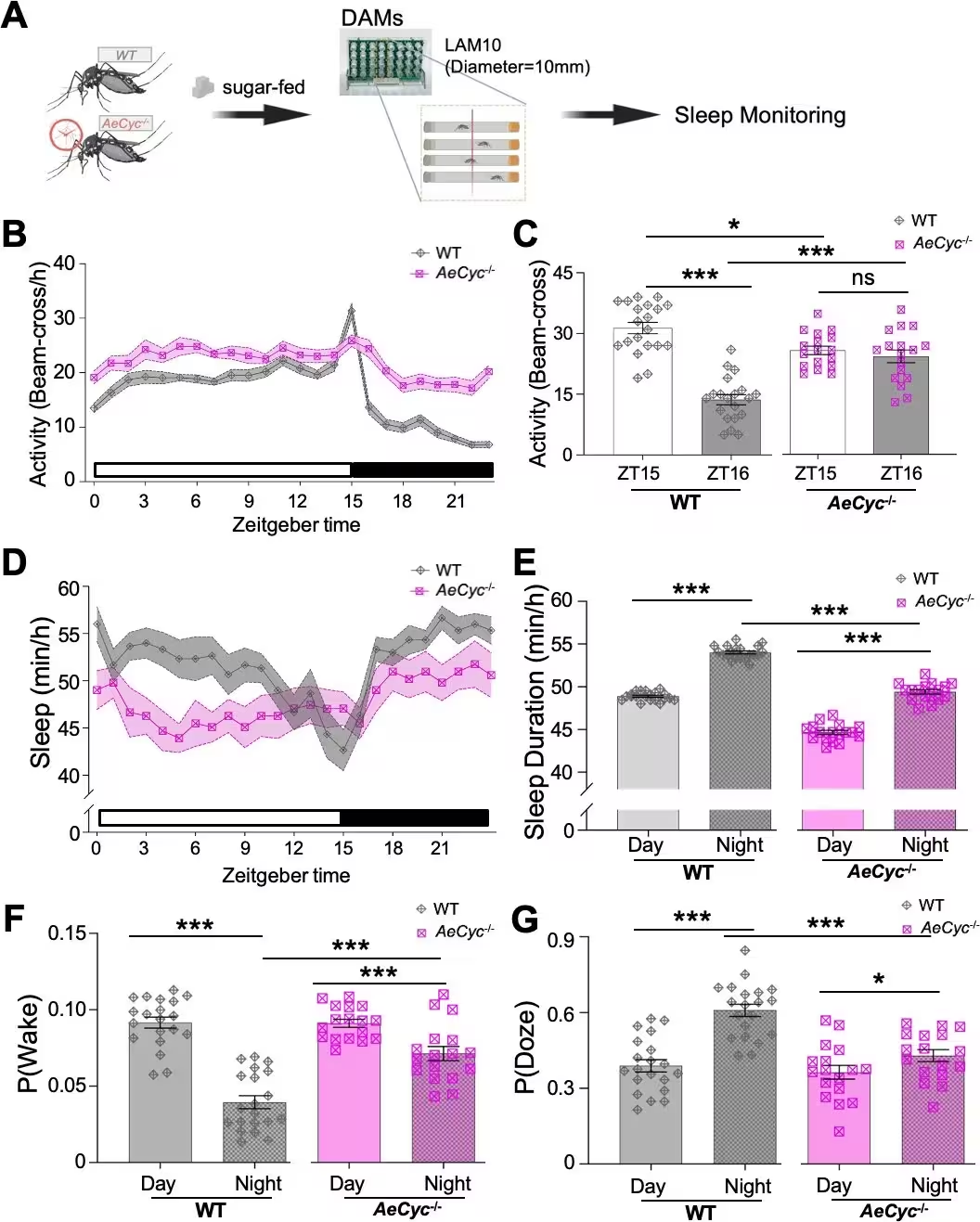
This surprising outcome suggests that normal blood feeding typically inhibits this specific receptor signaling cascade to allow prolonged quiet states. Furthermore, tests involving mutant mosquitoes lacking the core circadian clock gene cycle revealed that while internal biological clocks modulate daily rhythms, the fundamental drive for rest remains tightly bound to metabolic inputs.
Why Do Mosquitoes Need Extended Post-Meal Inactivity?
The biological advantages of this prolonged post-meal rest likely involve a mix of energy conservation and predator avoidance. By remaining mostly inactive for days after feeding, fully engorged females reduce their exposure to environmental hazards while dedicating vital metabolic resources toward egg production.
The authors propose that this extended quiet phase represents an opportunistic foraging strategy, allowing mosquitoes to act more like ambush predators that wait for nearby hosts rather than expending energy on long-distance flights. Once these nutrient reserves deplete, the insects transition into active host-seeking behaviors, highlighting a complex behavioral switch regulated entirely by dietary protein.
The research was published in eLife on November 20, 2026.
This article has been fact checked for accuracy, with information verified against reputable sources. Learn more about us and our editorial process.
Last reviewed on .
Article history
- Latest version
Reference(s)
- Zhang, Jiwei., et al. “Blood-derived dietary protein promotes sleep in the mosquito Aedes aegypti.” eLife, vol. 15, November 20, 2026 eLife Sciences Publications, Ltd, doi: 10.7554/eLife.110245. <https://doi.org/10.7554/eLife.110245>.
Cite this page:
- Posted by William Moore