Which Pest Treatment Actually Saves Boxwood Forests From Invasive Moths
A three-year field trial reveals that bacterial sprays drastically reduce leaf damage, while pheromone traps and parasitic wasps offer limited protection.
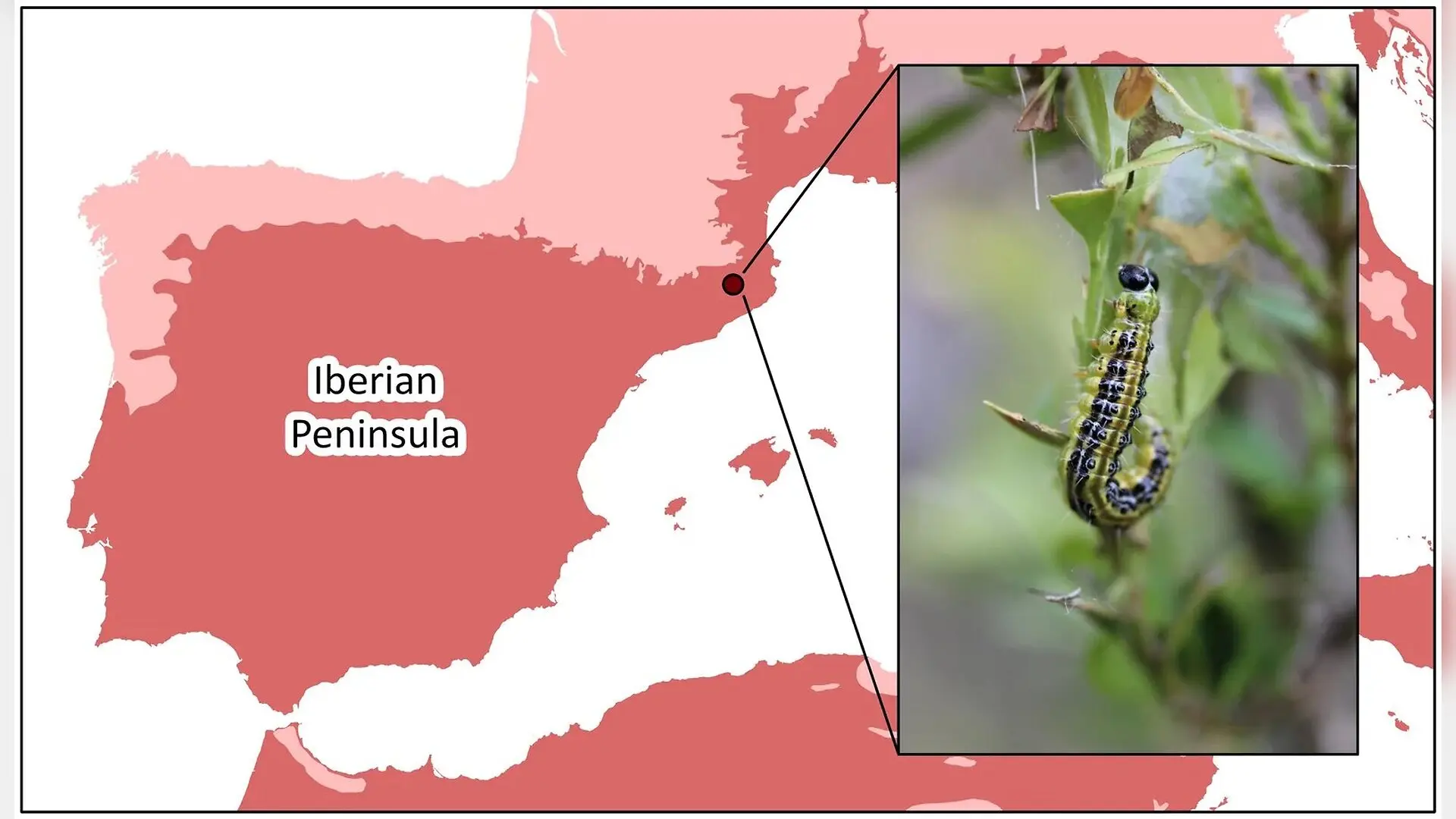
Boxwood plants face a severe ecological threat across Europe from an invasive Asian moth species that strips away their leaves and leaves behind widespread forest damage. To find out which pest control options actually work in the wild, researchers conducted a rigorous three-year field trial on a Mediterranean mountain.
The study, published in PeerJ by scientists Fiona Corominas, Lluís Vilar, and Jordi Bou, evaluated twenty-four experimental plots at Pla Boixer in the northeast Iberian Peninsula between 2020 and 2022. They tested three major management strategies: the biological pesticide Bacillus thuringiensis, mass trapping using sex pheromones to catch male moths, and releases of parasitic wasps from the genus Trichogramma that attack moth eggs.
How Effective Is Bacillus thuringiensis at Stopping Defoliation?
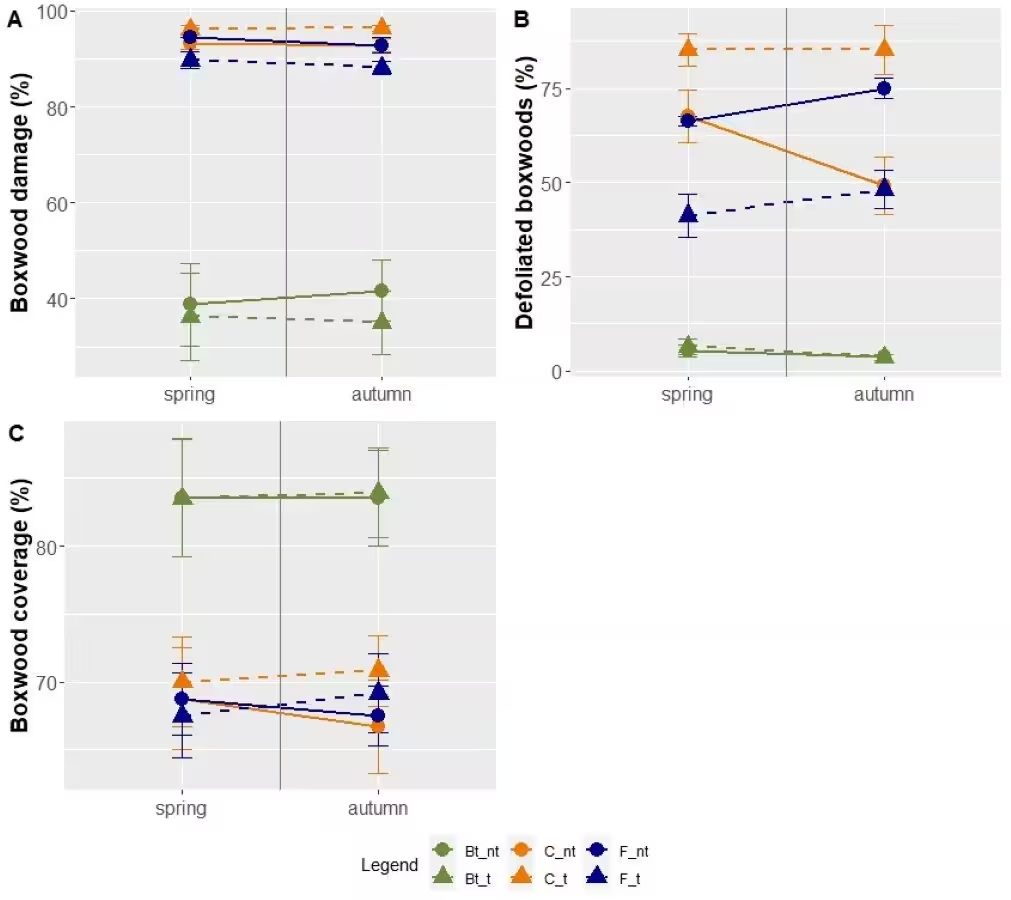
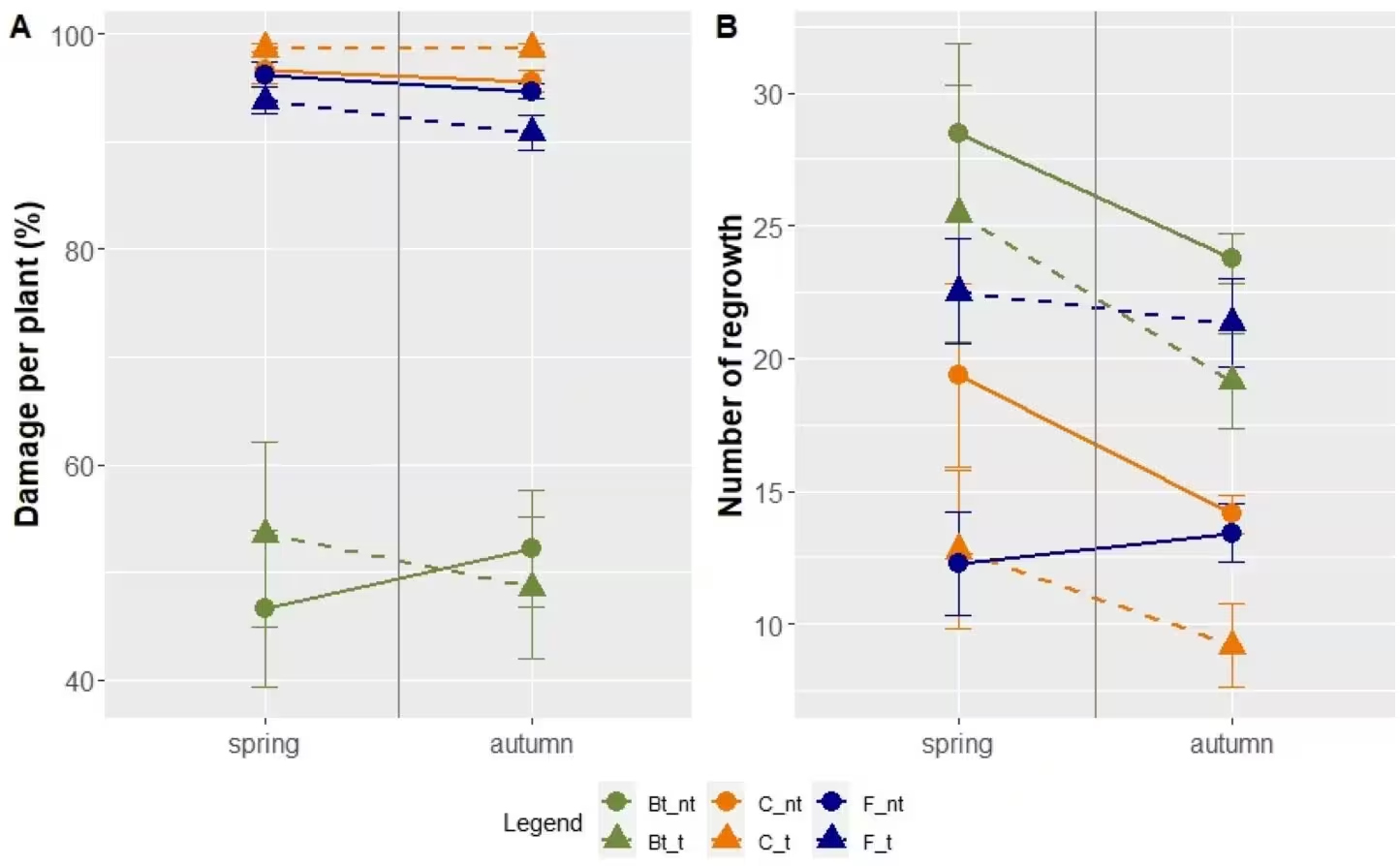
The bacterial spray delivered the most dramatic protection among all tested methods. Plots treated with Bacillus thuringiensis saw general defoliation drop to 40 percent, representing a striking 53 percent reduction in damage compared to untreated control areas. Furthermore, only 4 percent of boxwood plants in these sprayed plots became completely defoliated, contrasting sharply with 71 percent total defoliation in control plots.
The research team noted that the treatment successfully preserved canopy cover, maintaining an average boxwood coverage of 84 percent. Treated plants also produced the highest number of new shoots, averaging 29 new growths per plot. However, the authors emphasized that spraying requires precise timing with a vehicle-mounted or manual cannon during specific spring and summer emergence periods to match the moth generations.
Can Mass Trapping Save Defoliated Forests?
Mass trapping using male-attracting funnel pheromone traps deployed at a density of 100 traps per hectare yielded more modest results. The traps successfully captured adult male moths and influenced reproductive capacity, but they failed to significantly reduce overall leaf damage compared to untreated control plots. General damage in trapped plots remained extremely high at 92 percent.
Despite this limitation, the authors suggest that mass trapping should not be entirely discarded. The data showed that traps helped preserve shoot regrowth, with damaged regrowth averaging 25 percent compared to 57 percent in controls. This suggests that pheromone traps might act as a useful preventive tool in low-density infestations or help maintain some surviving shoots under heavy pest pressure.
Why Did Parasitic Wasps Fail to Control the Pest?
The release of Trichogramma parasitic wasps produced disappointing results under natural field conditions. These tiny beneficial insects lay their eggs inside moth eggs to kill them, but their application did not significantly decrease damage levels across the plots. Combining the wasps with pheromones or bacterial sprays showed only minor improvements at the plant scale.
The researchers attribute this failure to the extremely high density of the pest population and the low searching ability of the wasp species used, such as Trichogramma achaeae. They conclude that laboratory conditions currently yield better parasitism rates, and additional controlled studies are required before releasing these biological agents into natural forests.
What Does This Mean for European Ecosystems?
Boxwood shrubs provide vital microenvironments that support at least 43 species of fungi and numerous invertebrates while stabilizing steep limestone slopes against erosion. Without intervention, unchecked caterpillar feeding leads to massive accumulation of dead wood and eventual plant mortality. While Bacillus thuringiensis offers strong protection, its ongoing use carries complex environmental risks, including potential impacts on non-target insects and soil persistence, meaning its application should be carefully restricted to critical regional conservation sites.
The research was published in PeerJ on January 1, 2026.
This article has been fact checked for accuracy, with information verified against reputable sources. Learn more about us and our editorial process.
Last reviewed on .
Article history
- Latest version
Reference(s)
- Corominas, Fiona., et al. “Which treatment is most effective at reducing the damage caused by the pest box tree moth? A case in a Mediterranean mountain.” PeerJ, vol. 14, October 22, 2026, pp. e21800 PeerJ, doi: 10.7717/peerj.21800. <https://doi.org/10.7717/peerj.21800>.
Cite this page:
- Posted by Omar Mirza