Garden Cress Seed Extracts More Than Double in Antioxidant Power During Simulated Stomach Digestion, But Gut Phase Alters Enzyme Inhibition
Simulated human digestion changes the bioactive profile and enzyme-inhibiting properties of Lepidium sativum seeds, according to new in vitro and in silico analyses.
Simulated digestion tests on garden cress seeds show that their antioxidant capacity more than doubles in the stomach, while their enzyme-inhibiting abilities shift unpredictably through each gut phase, according to a study published in ACS Omega.
How Digestion Alters Phenolic Compounds
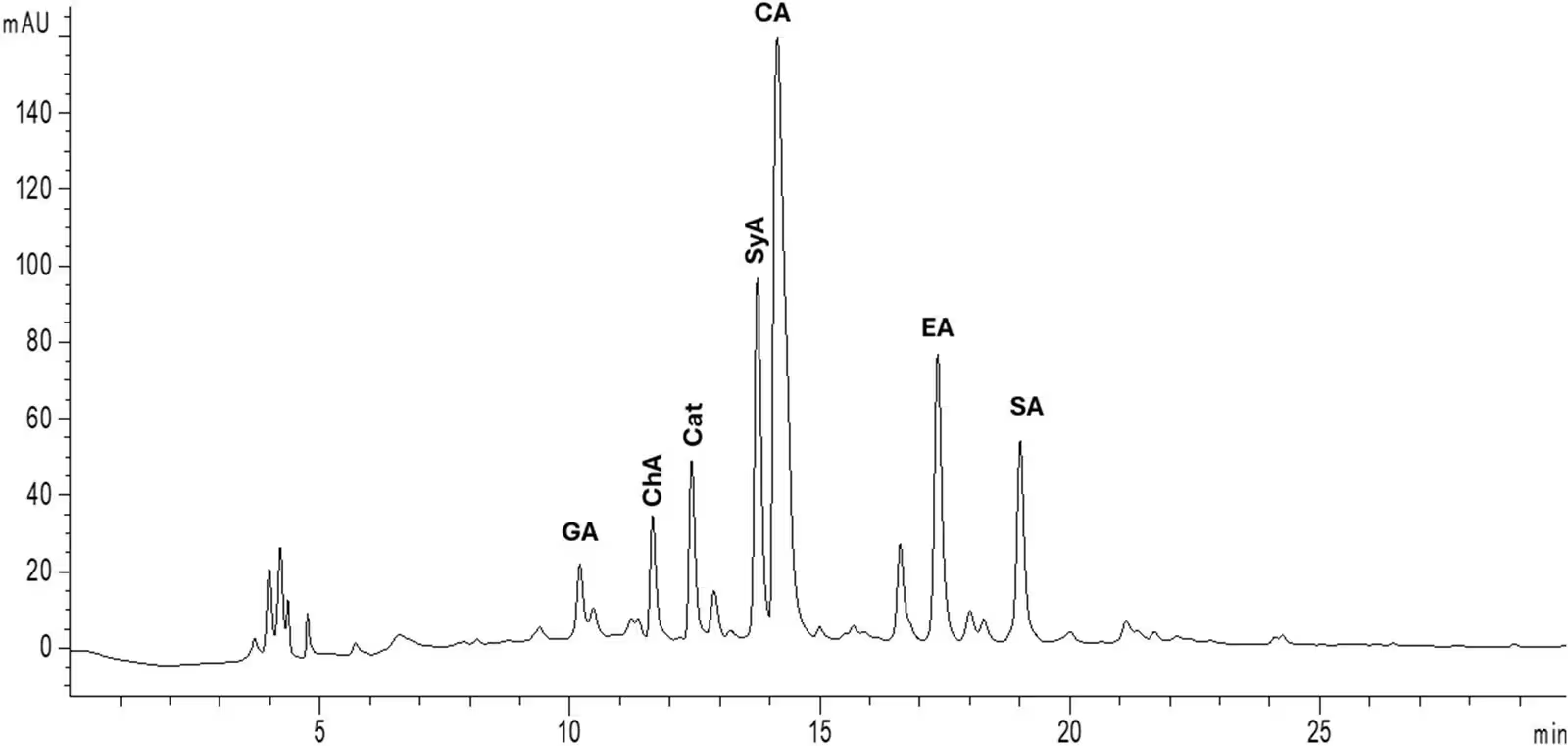
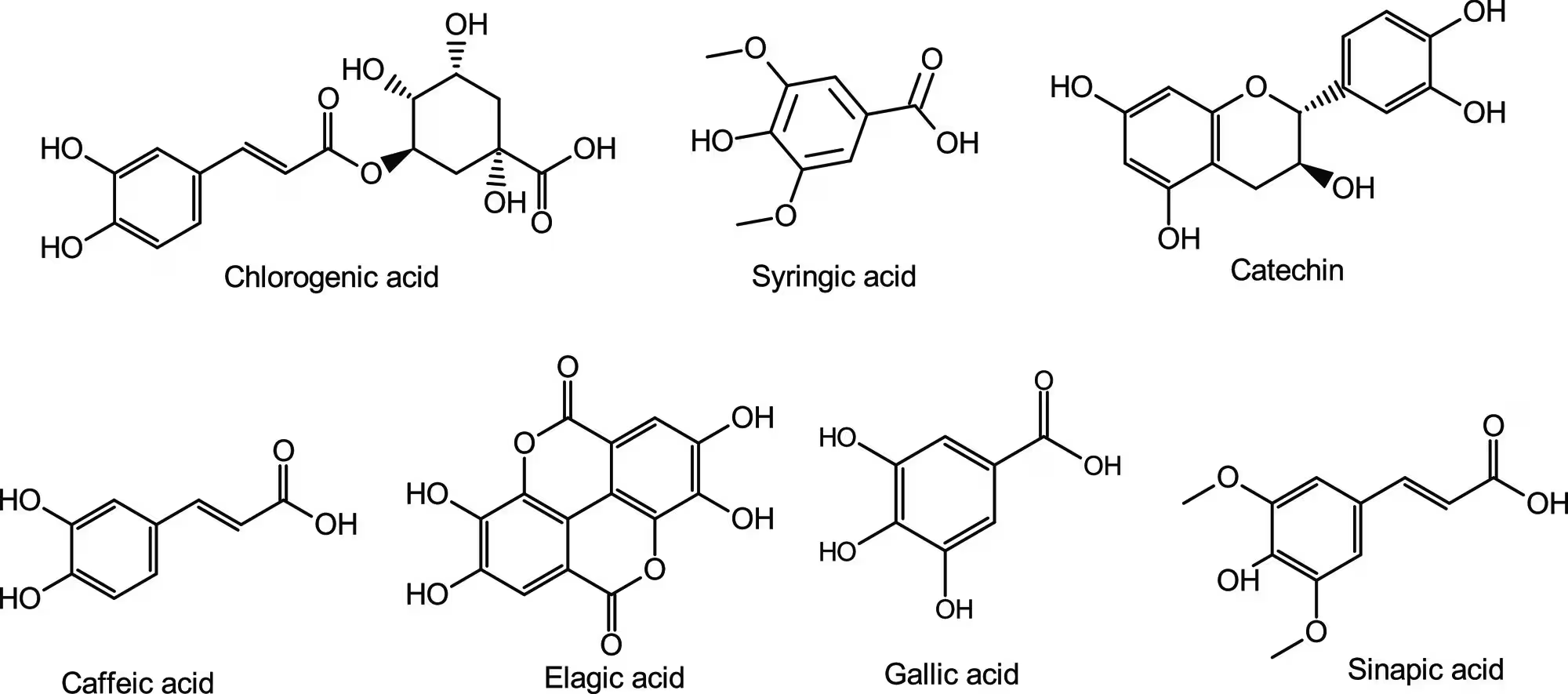
Researchers led by Dhouha Alimi at the Higher Institute of Biotechnology of Beja examined how simulated human digestion changes the bioactive profile of Lepidium sativum seed extracts. High-performance liquid chromatography identified 7 distinct phenolic compounds in the raw seeds, with caffeic acid appearing at the highest concentration of 1.95 micrograms per gram of dry extract.
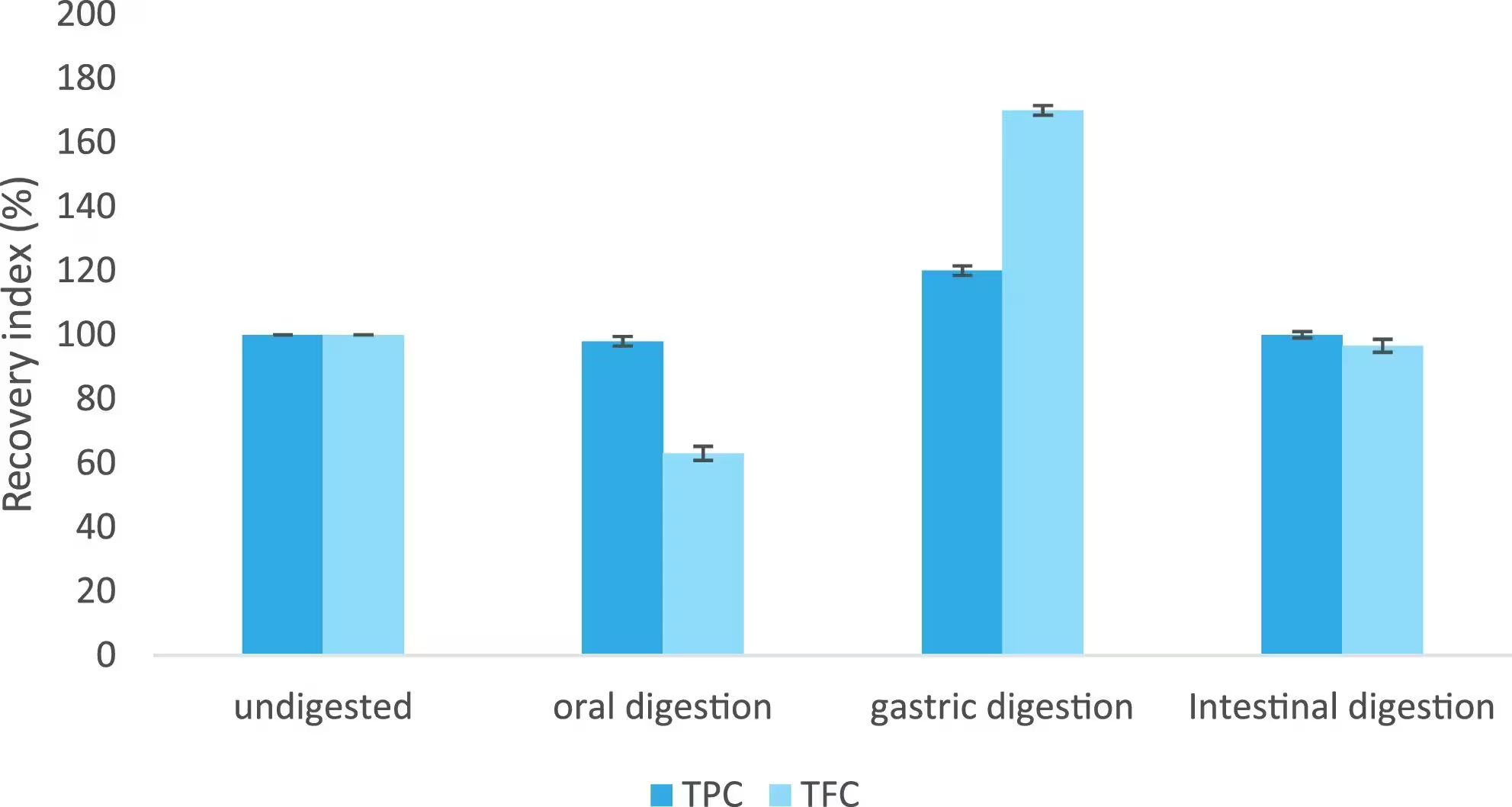
During the simulated oral phase, total phenolic content remained relatively stable at 91.25 milligrams of gallic acid equivalents per gram, while total flavonoid content dropped to 30.12 milligrams. When the extract moved into the simulated gastric phase with a pH of 2.0 and pepsin, the total phenolic content jumped significantly to 123.31 milligrams. This acidic environment appears to break down cell wall polysaccharides and ester linkages, releasing bound antioxidant molecules.
Antioxidant Power Peaks in the Stomach
The team tested the extract’s antioxidant capacity using 3 separate assays named DPPH, ABTS, and FRAP. Following gastric digestion, the ferric-reducing antioxidant power surged by 67.1 percent to reach 138.92 micromoles of Trolox equivalents per gram. ABTS radical-scavenging activity also doubled during this stomach simulation.
However, once the mixture reached the simulated intestinal phase with a neutral-to-alkaline pH and bile salts, antioxidant measurements declined. The shift in pH and the presence of pancreatic enzymes likely caused the degradation or structural transformation of certain vulnerable phenolic compounds.
Enzyme Inhibition Shows Surprising Fluctuations
The study evaluated the extract’s ability to inhibit alpha-amylase and acetylcholinesterase, which are enzymes linked to postprandial glucose release and cognitive function. Alpha-amylase inhibition was lowest during the oral and gastric phases, but improved significantly after intestinal digestion with a half-maximal inhibitory concentration of 70.09 micrograms per millilitre.
In contrast, acetylcholinesterase inhibition was reduced following gastric digestion, showing only a partial recovery during the intestinal phase. Statistical correlation analysis revealed that total phenolic and flavonoid contents strongly matched antioxidant measurements, but showed weaker direct links to enzyme inhibition.
Molecular Docking Predicts Strong Protein Binding
To understand the physical interactions behind these enzyme effects, computational team members performed molecular docking analyses against human acetylcholinesterase crystal structures. The computational screening indicated that several identified compounds fit stably into the active site of the enzyme.
Chlorogenic acid achieved a docking score of -9.236 kilocalories per mole, while ellagic acid scored -9.226 kilocalories per mole, values comparable to the reference drug donepezil. These stable configurations relied on extensive hydrogen bonding and hydrophobic interactions within the catalytic gorge.
Safety Profiles and Future Applications
In silico pharmacokinetic predictions using SwissADME indicated that most of the main compounds adhere to Lipinski’s Rule of Five for drug-likeness. Most molecules showed favorable oral absorption potential, though none were predicted to cross the blood-brain barrier easily.
Toxicity screening suggested that the compounds generally present low predicted toxicity risks for oral administration, although some molecules flagged potential activity for nephrotoxicity or variable immunotoxicity. The authors note that while these laboratory and computational results highlight garden cress as a promising source of functional food ingredients, in vivo and clinical studies are still required to confirm the actual health benefits in humans.
The research was published in ACS omega on November 11, 2026.
This article has been fact checked for accuracy, with information verified against reputable sources. Learn more about us and our editorial process.
Last reviewed on .
Article history
- Latest version
Reference(s)
- Alimi, Dhouha., et al. “Impact of Simulated Gastrointestinal Digestion on the Bioaccessibility and Biological Activities of Lepidium sativum Phenolics: In Vitro and In Silico Insights.” ACS Omega, vol. 11, no. 46, November 11, 2026, pp. 71921-71934. American Chemical Society (ACS), doi: 10.1021/acsomega.6c04435. <https://doi.org/10.1021/acsomega.6c04435>.
Cite this page:
- Posted by Rohan Kumar