Researchers Used a 1,500-Year-Old Map to Find a Lost City Forgotten for Centuries in Jordan
Archaeologists uncovered a long-forgotten city in Jordan after studying an ancient map, pursuing a vanished settlement, and conducting extensive field research spanning years.
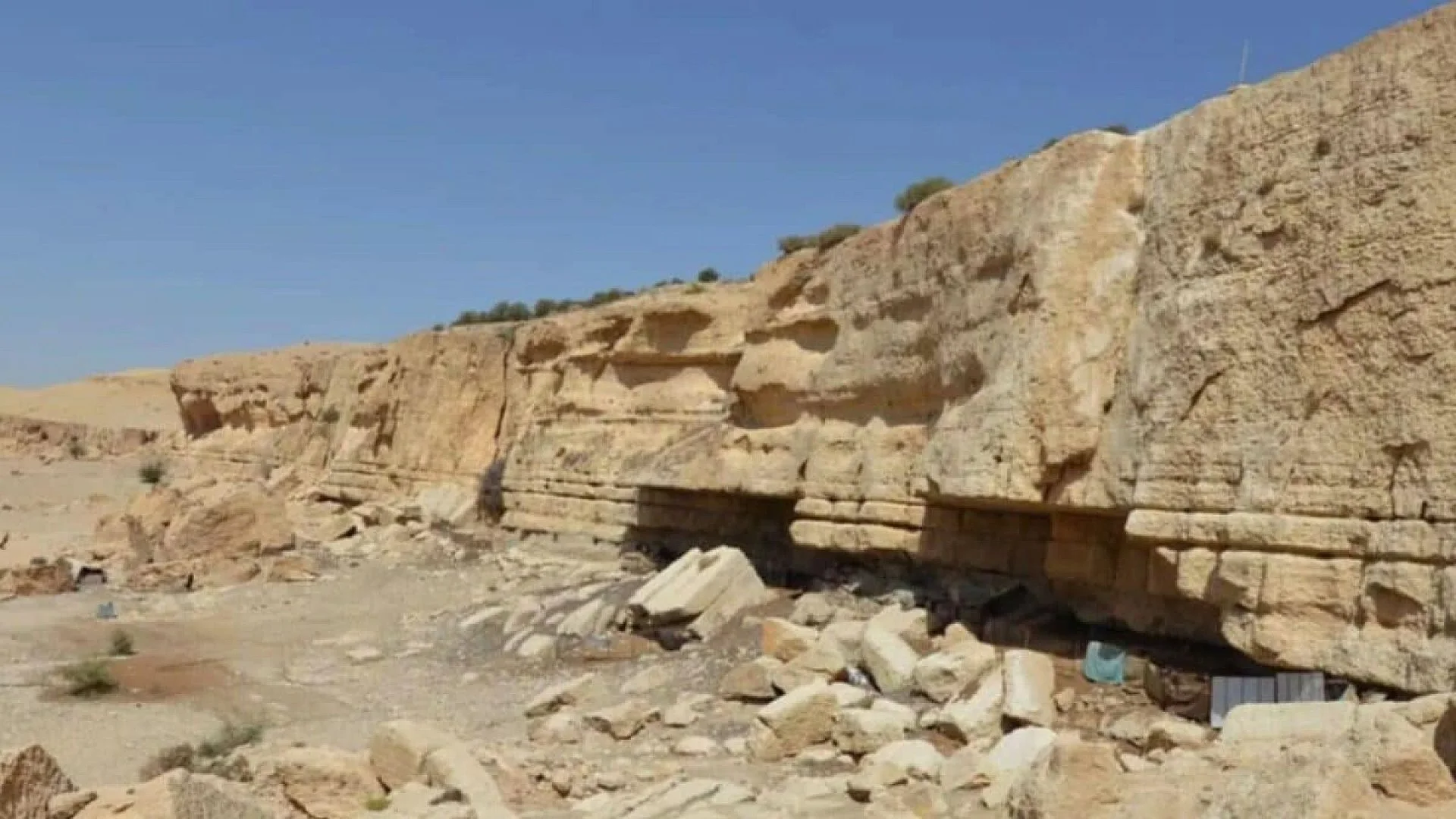
A team of archaeologists in Jordan has made a groundbreaking discovery, pinpointing the location of the lost Byzantine city of Tharais using an ancient mosaic map. After years of surveys and excavations, researchers uncovered ruins, inscriptions, and religious structures near the modern village of El-’Iraq.
The search centered on the famous Madaba Mosaic Map, a 1,500-year-old floor mosaic created during the reign of Emperor Justinian I between 527 and 565 A.D. The map, located in the Jordanian city of Madaba, depicts 157 sites across the Holy Land, with some of those places still missing today, including Tharais until now.
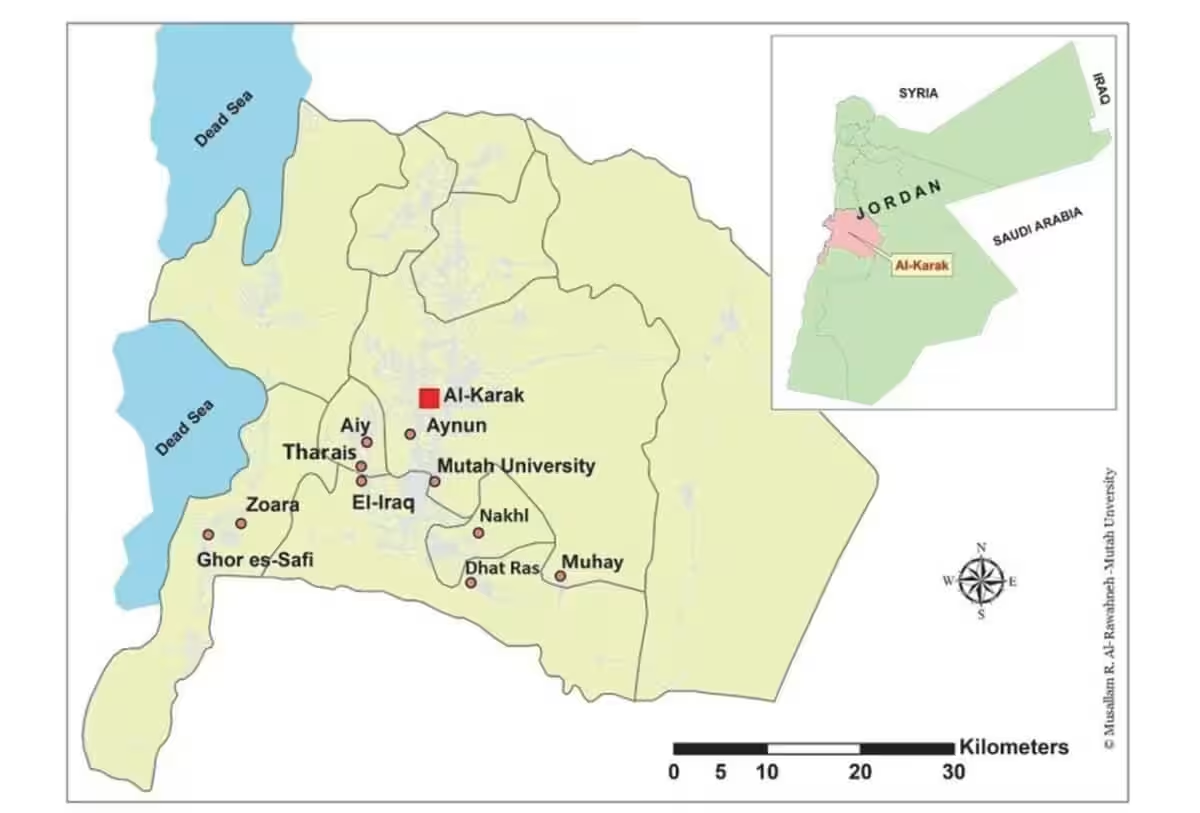
According to the latest research, the excavation project began in 2021 under the leadership of Musallam R. al-Rawahneh from Mutah University. Researchers combined historical maps with field surveys around the southeastern side of the Dead Sea before focusing their attention on the area around El-’Iraq.
Unraveling the Secrets of a Lost City
Once researchers began surveying the area, signs of Byzantine occupation quickly emerged. Teams uncovered fragments of mosaic floors, glassware, and tools scattered across the site. They also discovered remains of what appears to be a Byzantine basilica, featuring a long rectangular layout and an open central area.
The study published in Gephyra notes that archaeologists working with research teams from France and Spain also discovered funerary inscriptions written in Greek and Latin. Those inscriptions suggest the existence of a Christian community in the area centuries ago.
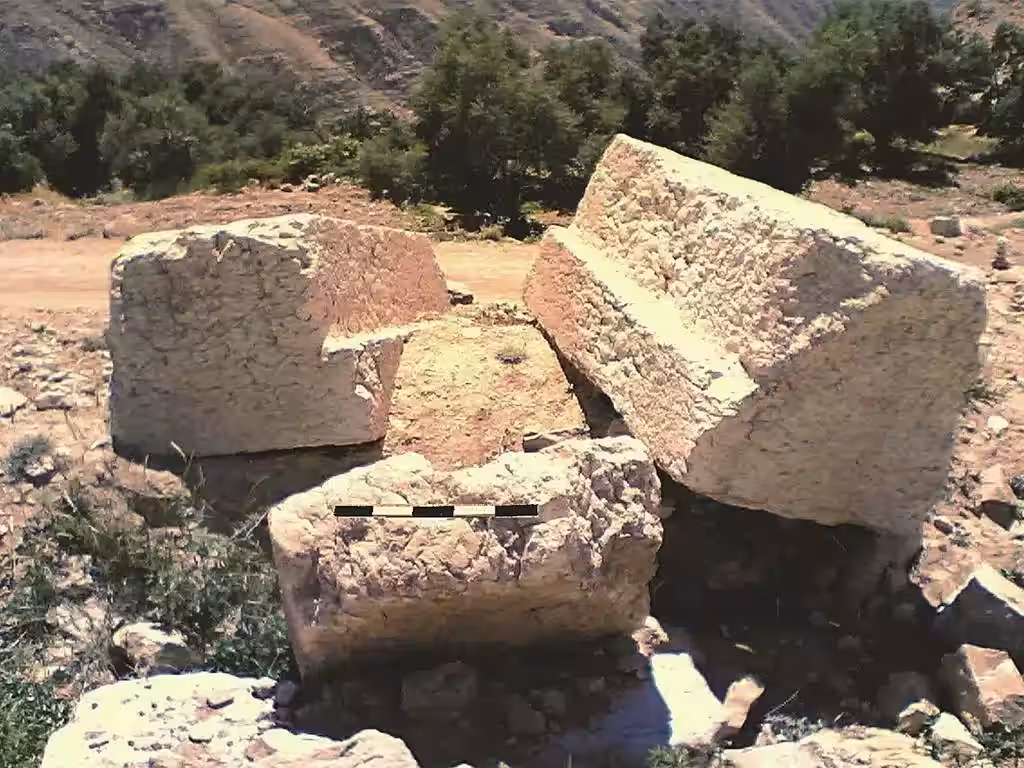
The excavation also revealed a doorway whose design closely matched known Byzantine church architecture. Piece by piece, the site began to resemble the Tharais depicted on the ancient mosaic map.
A Hub of Activity in the Byzantine Era
Researchers believe the site was more than just a small agricultural settlement. In comments relayed by Türkiye Today, Musallam R. al-Rawahneh explained that Tharais likely served as both “a sacred site and commercial rest stop.”
The discovery of a Byzantine basilica, funerary inscriptions, and church-style architectural features all point to the site’s importance as a religious center. The presence of olive oil presses, windmills, and grape-crushing equipment suggests that Tharais supported itself economically while functioning as a religious hub.
At the same time, the excavation revealed traces of everyday life, including broken objects, scattered tools, and worn stoneremains, suggesting the area was occupied over a long period rather than serving as a temporary site.
A Call to Protect Jordan’s Cultural Heritage
Researchers stress that protecting the site is becoming increasingly urgent as urban development around El-’Iraq continues to expand. Al-Rawahneh emphasized that their aim is not just to uncover Tharais but also to advocate for the protection of Jordan’s rich cultural heritage.
This article has been fact checked for accuracy, with information verified against reputable sources. Learn more about us and our editorial process.
Last reviewed on .
Article history
- Latest version
Reference(s)
- “4243913.” <https://dergipark.org.tr/tr/download/article-file/4243913>.
- Erdogan, Koray. “Lost Byzantine city resurfaces in S. Jordan: Ancient settlement of Tharais identified.”, May 21, 2025 Türkiye Today <https://www.turkiyetoday.com/culture/a-lost-byzantine-city-resurfaces-in-southern-jordan-ancient-settlement-of-tharais-ide-3201738?s=1>.
- “Musallam Al-Rawahneh.” Musallam Al-Rawahneh <https://musallamal-rawahneh.cv/>.
Cite this page:
- Posted by Mary Johnson