Hidden Seizure Activity In Absence Epilepsy Reveals Why Diaries Miss Half Of All Events
Analysis of forty-four studies shows that nearly half of all seizure discharges lack visible symptoms, highlighting the need for continuous twenty-four-hour monitoring.
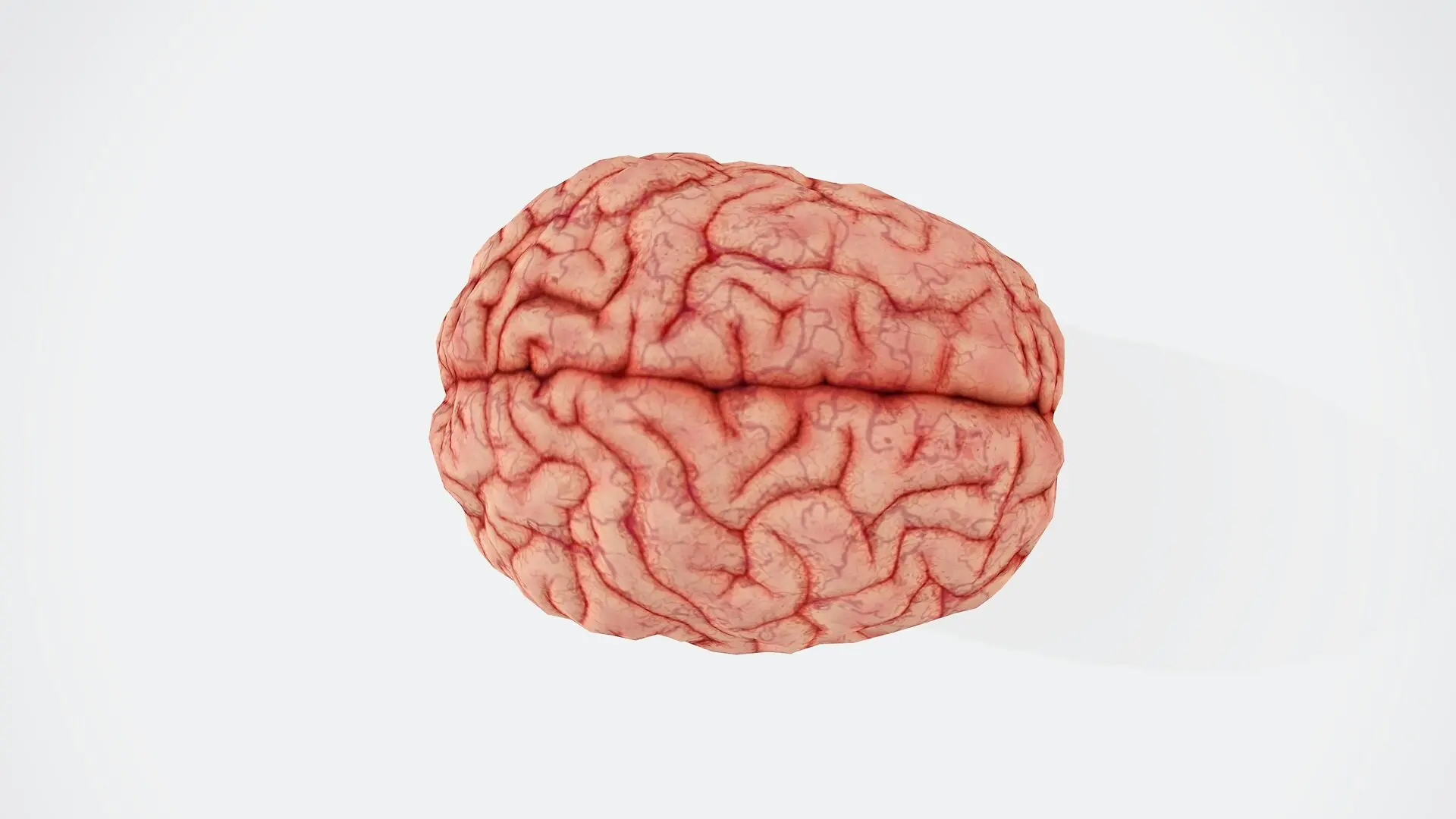
More than half of the brain wave surges linked to absence seizures pass by without any outward sign, leaving standard symptom tracking blind to the true severity of the condition. Researchers examining the limits of traditional patient diaries have found that nearly half of all electrographic seizure events occur completely asymptomatically. This hidden burden can fundamentally skew how doctors measure both disease progression and the success of medical treatments. The review, published in Epilepsia Open, synthesizes findings from forty-four separate studies on absence epilepsy and brain wave monitoring.
Why Do Seizure Diaries Miss Half of All Absence Events?
Absence seizures are a form of generalized epilepsy characterized by brief lapses in awareness and characteristic brain wave patterns known as generalized spike-and-wave discharges. These electrical disruptions involve hypersynchronized oscillations between the thalamus and the cerebral cortex. Historically, diagnosis and treatment monitoring relied heavily on patient or caregiver observation and written seizure diaries. However, because these episodes can be as short as a few seconds and involve subtle signs such as minor eye blinks or blank stares, observers frequently miss them. The authors note that about fifty-one percent of recorded seizure discharges have a clear clinical correlation, meaning at least forty-nine percent happen entirely without visible behavioral changes.
How Does Twenty-Four-Hour Monitoring Change Patient Care?
Relying on routine hospital brain scans lasting less than an hour often fails to capture the full scope of the disease due to natural circadian rhythms and multi-day cycles of brain activity. The review authors, led by J. Sourbron and colleagues at various international institutions including the University of Melbourne, argue that serial prolonged monitoring lasting at least twenty-four hours is essential. Without continuous recording, clinicians miss the cyclical fluctuations of interictal epileptiform discharges, which are electrical bursts occurring between seizures. Extended monitoring provides an objective baseline to evaluate whether anti-seizure medications are genuinely suppressing the abnormal electrical patterns or if symptoms are simply cycling out of view.
What Is the Hidden Toll on Attention and Cognition?
Beyond the immediate disruption of consciousness, the cumulative burden of these brain wave discharges is closely tied to broader cognitive and psychological challenges. Children and adults with high discharge burdens frequently experience difficulties with processing speed, long-term memory retrieval, and sustained attention. Some patients continue to show attentional deficits and learning hurdles even when they appear clinically seizure-free during brief medical evaluations. The data indicate that electrical bursts lasting three seconds or longer can impair cognitive performance regardless of whether an observer notices a behavioral change. Furthermore, underlying sleep disturbances and psychiatric comorbidities such as anxiety and depression often compound these academic and social difficulties.
Can Brain Wave Tests Predict Response to Medication?
Standard anti-seizure medications such as ethosuximide, sodium valproate, and lamotrigine successfully reduce the frequency of abnormal brain wave discharges in many patients. However, treatment response varies widely, and some individuals continue to experience frequent episodes despite trying multiple drug therapies. The presence of prolonged discharge patterns or frequent interictal spikes can serve as a neurophysiological biomarker to help doctors gauge treatment efficacy more objectively. As researchers look toward future clinical trials, incorporating continuous ambulatory monitoring may offer a clearer window into how well therapies protect cognitive function and overall quality of life over the long term.
The research was published in Epilepsia open on November 20, 2026.
This article has been fact checked for accuracy, with information verified against reputable sources. Learn more about us and our editorial process.
Last reviewed on .
Article history
- Latest version
Reference(s)
- Sourbron, Jo., et al. “Clinical outcomes and
EEG monitoring in absence epilepsy trials: A narrative review.” Epilepsia Open, November 20, 2026 Wiley, doi: 10.1002/epi4.70367. <https://doi.org/10.1002/epi4.70367>.
Cite this page:
- Posted by Zubair Ali