Smart Chemical Plants Reduce Physical Dangers But Trigger Hidden Cognitive Fatigue In Workers
A new study of 326 datasets reveals how automated control rooms and digital monitoring create severe mental strain for chemical operators.

Smart factories in the chemical industry reduce physical danger from toxic materials, but they introduce hidden psychological and cognitive hazards that affect worker health. When workers shift from physical labor on the plant floor to monitoring screens and automated control rooms, they face continuous mental stress and screen-induced fatigue.
Researchers examined how digital transformation reshapes occupational health by studying an intelligent petrochemical production base in China, operated by the Zhenhai Refining and Chemical Branch of Sinopec. The findings were published in PloS one, detailing an evaluation of 326 datasets collected over a twelve-month period across different shift schedules and production cycles.
How Do Smart Factories Change Workplace Hazards?
Traditional chemical safety management focuses heavily on equipment failures, toxic leaks, and explosions. However, the rise of automated machinery and digital-twin platforms shifts the landscape toward human-machine interaction, psychological strain, and managerial gaps.
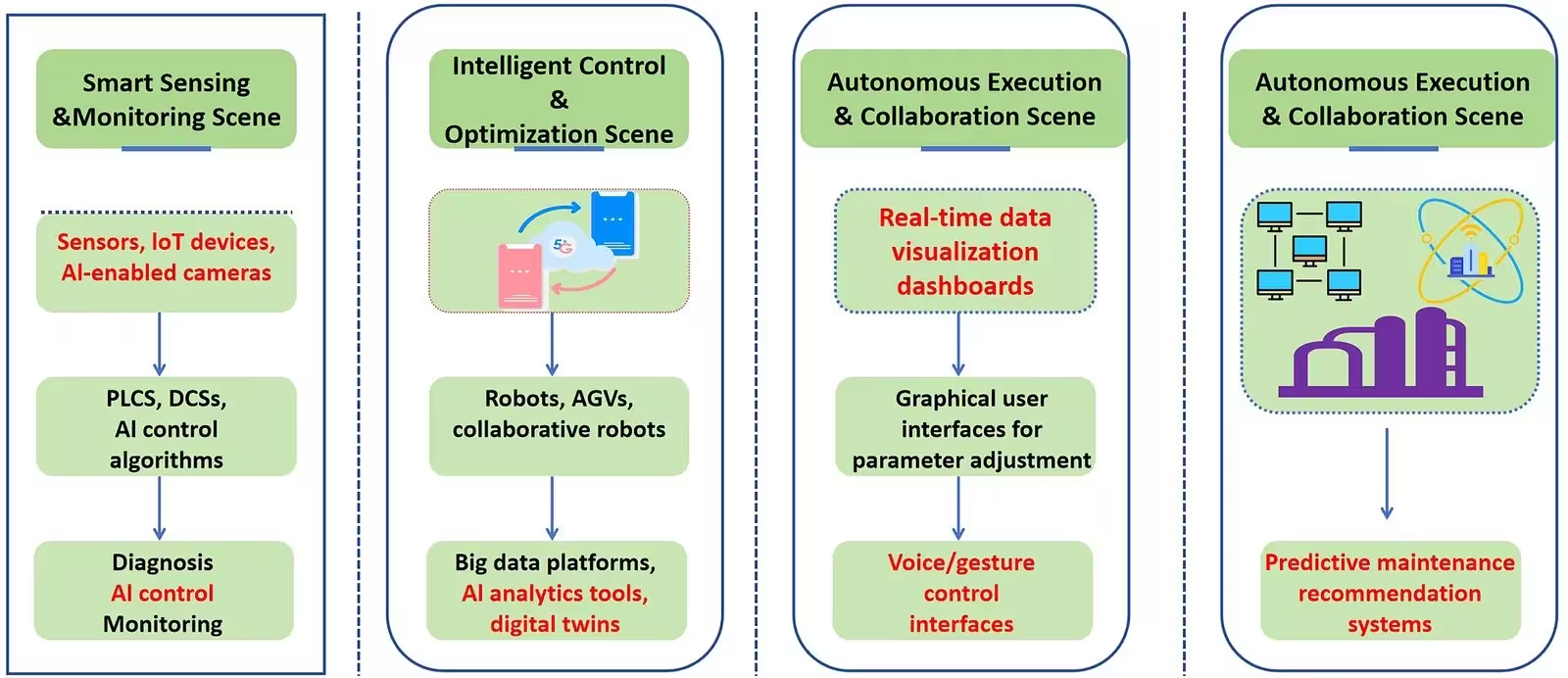
The study breaks intelligent chemical manufacturing down into four operational scenarios: intelligent sensing and monitoring, intelligent control and optimization, autonomous execution with natural-language interaction, and autonomous execution for predictive maintenance. Each setting creates distinct mental demands. Workers in remote control rooms experience high-frequency alarm notifications and massive process datasets that trigger severe cognitive fatigue.
Which Specific Factors Drive The Highest Risks?
To measure these hidden threats, Yin Fei Shen from Ningbo University of Technology and Jian Qing Xu from the Transfar Group developed a four-tier hierarchical risk indicator system containing 15 quantifiable metrics. They combined an entropy-weighted method with a Bayesian network model to analyze risk propagation and data variation.
The analysis revealed that overall occupational health risk at the pilot site reached a quantification value of 0.726, pointing to a high-risk level. The top three risk drivers by weight all exceeded 0.100: the error rate in operational instructions, the frequency of information overload, and the duration of gaps in risk monitoring.
Can Risk Factors Be Controlled Effectively?
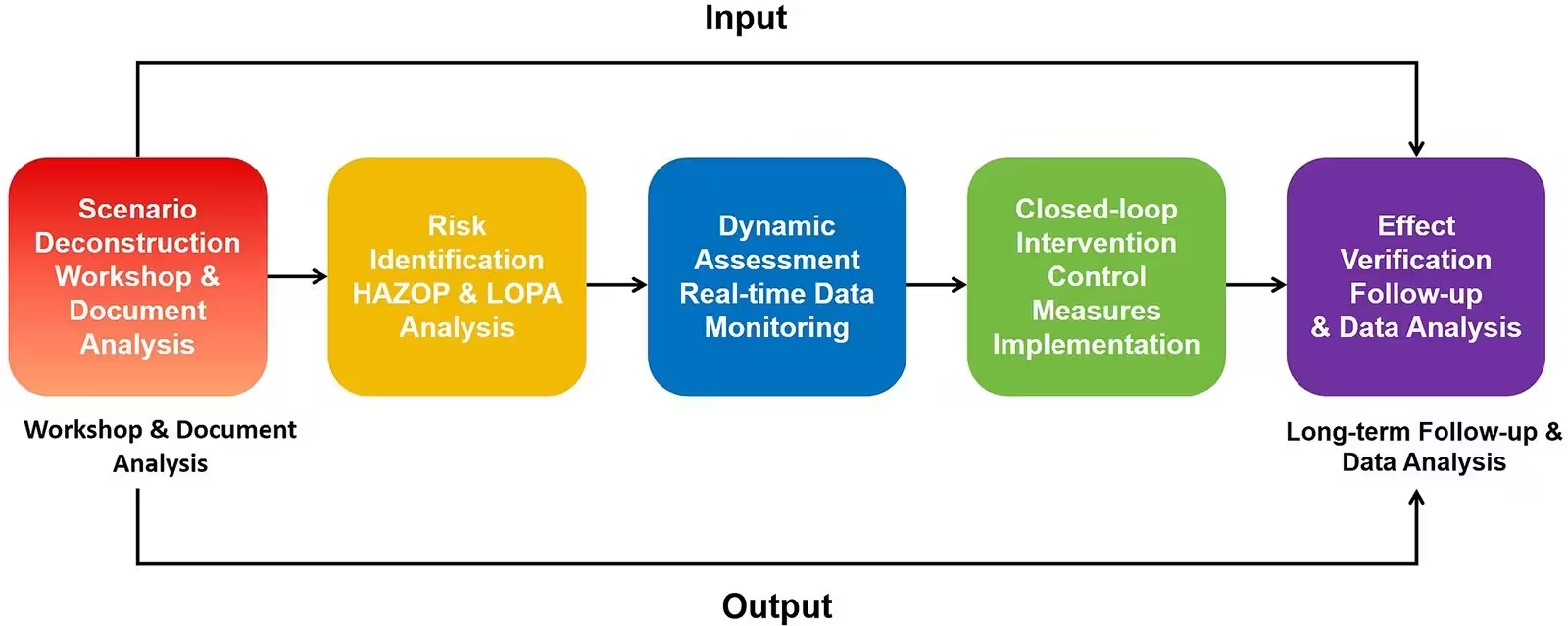
The research team found that multi-factor coupled risks occurred 42.3 percent of the time, proving that combinations of hazards amplify danger far beyond single isolated issues. To address this, the authors implemented a multi-criteria decision-making framework to rank intervention targets by factoring in cost, operational feasibility, and stakeholder acceptance.
A six-month closed-loop intervention program successfully lowered risk scores across all monitoring nodes. Interrupted time-series analysis confirmed statistically significant risk reductions, with key sensitive indicators dropping by more than 60 percent following targeted measures like human-machine interface optimization and alarm de-noising.
The research was published in PloS one on November 20, 2026.
This article has been fact checked for accuracy, with information verified against reputable sources. Learn more about us and our editorial process.
Last reviewed on .
Article history
- Latest version
Reference(s)
- Shen, Yin Fei., et al. “Intelligent chemical production mode occupational health risk identification, assessment and intervention study.” PLOS One, vol. 21, no. 11, November 20, 2026, pp. e0363258 Public Library of Science (PLoS), doi: 10.1371/journal.pone.0363258. <https://doi.org/10.1371/journal.pone.0363258>.
Cite this page:
- Posted by Jessica Martin