China Cancer Trial Study Reveals Major Misalignment With Disease Burden
A nationwide analysis of oncology trials shows commercial priorities often leave high-burden cancers under-investigated.
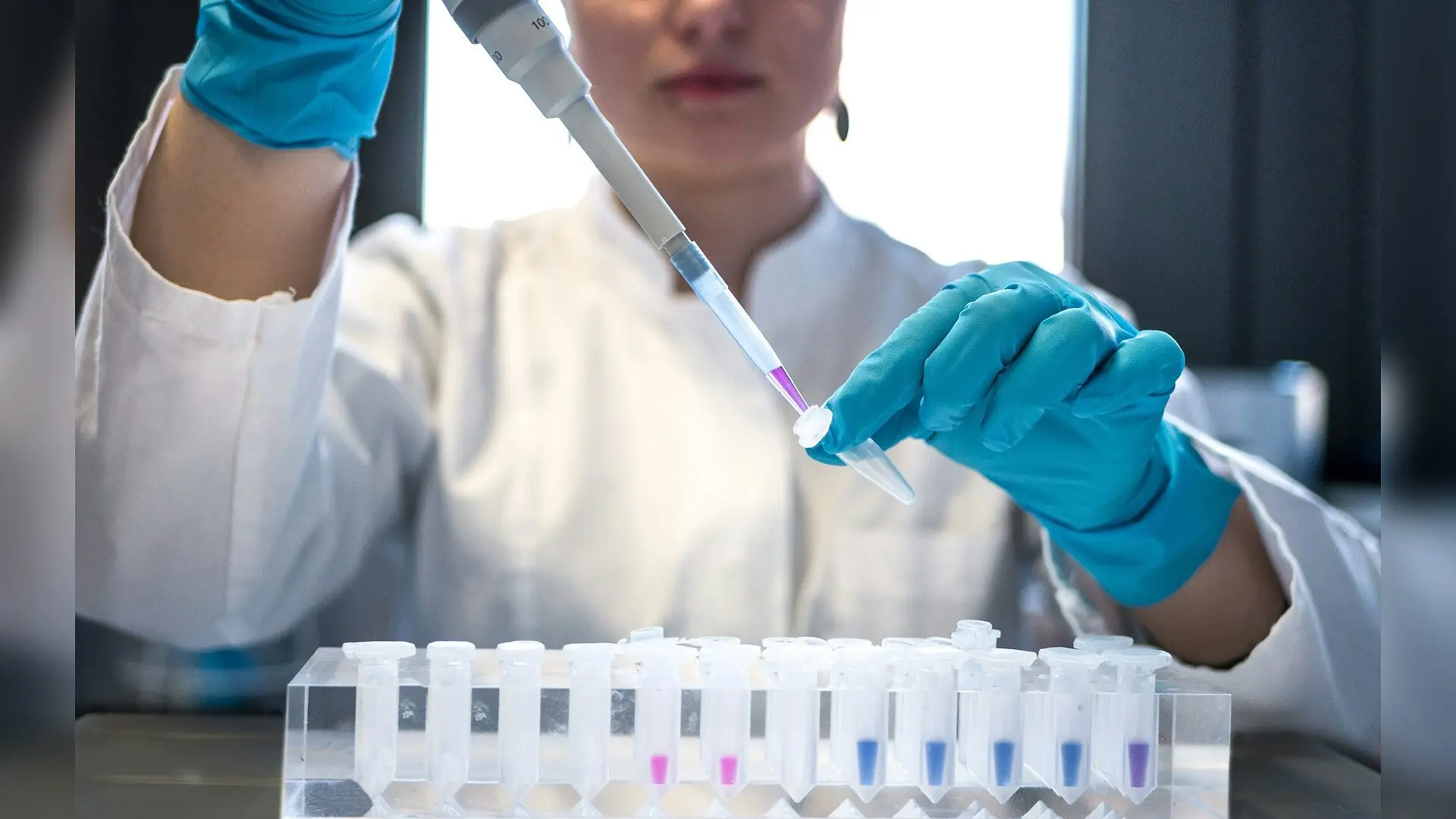
Oncology clinical trials in China have expanded rapidly over the past decade, but a new nationwide evaluation published in the Journal of global health reveals that trial activity frequently fails to match the actual disease burden carried by patients. Researchers discovered striking disparities in how different types of cancers are studied, raising critical questions about resource allocation in modern medicine. The investigation analyzed how well clinical research aligns with national health needs, offering a clearer picture of where studies are concentrated and which patient populations are being overlooked.
To understand the depth of these discrepancies, a team led by researchers including J. Huang, W. Li, X. Li, L. Shi, and J. Chen set out to quantify the relationship between research activity and actual patient illness. The team utilized disability-adjusted life years, a standardized metric that measures the total number of years lost due to ill health, disability, or early death, as their primary indicator of disease burden. By examining the concentration index and the horizontal inequality index across multiple years, the investigators tracked whether clinical studies focused heavily on cancers causing the most societal harm or if resources drifted elsewhere.
How Does Industry Sponsorship Shape Research Focus Across Different Cancers?
The findings indicate a clear split between industry-sponsored trials and investigator-initiated studies. Industry-backed projects tended to cluster around specific high-profile malignancies where commercial returns or established treatment markets were strongest. Meanwhile, investigator-initiated trials often stepped in to fill vital gaps, though overall imbalances persisted. The data showed that certain cancers with massive public health impacts received disproportionately low trial attention relative to the total disability and loss of life they caused nationwide.
Evaluating temporal changes over the ten-year study window revealed that while overall research volume surged, the proportional equity of trial distribution improved only marginally. The mismatch means that millions of patients suffering from less commercially lucrative conditions have fewer opportunities to access experimental therapies through clinical investigations. Public health experts note that achieving true equity in clinical research requires deliberate coordination between regulatory bodies, academic medical centers, and pharmaceutical companies to ensure that every major disease category receives investigative effort proportional to its toll.
What Do These Findings Mean for Future Patient Care and Global Health Policy?
The implications of this analysis extend far beyond national borders, offering a blueprint for other rapidly developing healthcare systems trying to balance commercial research interests with population health needs. When clinical trials fail to mirror epidemiological realities, the resulting evidence base leaves gaps in clinical guidelines for prevalent conditions. The authors emphasize that policymakers must use these quantitative tools to monitor research distribution regularly and guide future funding toward neglected areas of oncology.
While the study provides a robust macro-level view of trial distribution, limitations remain in how local healthcare infrastructure influences trial site selection. Future investigations will need to explore how provincial funding and hospital capabilities drive trial placement. For now, this comprehensive assessment highlights the urgent need for strategic policy adjustments to align the future of cancer research with the true medical needs of society.
The research was published in Journal of global health on November 20, 2026.
This article has been fact checked for accuracy, with information verified against reputable sources. Learn more about us and our editorial process.
Last reviewed on .
Article history
- Latest version
Reference(s)
- Huang, Jiaxin., et al. “Growing disparities: an analysis of equity in China’s oncology clinical trials relative to disease burden (2014–2023).” Journal of Global Health, vol. 16, November 20, 2026 International Society of Global Health, doi: 10.7189/jogh.16.04316. <https://doi.org/10.7189/jogh.16.04316>.
Cite this page:
- Posted by Susan White