New Injectable Hydrogel Delivers Stem Cells to Regenerate Damaged Jawbone Tissue
A newly engineered hydrogel could simplify facial reconstruction by carrying stem cells directly into bone defects and supporting natural tissue growth.
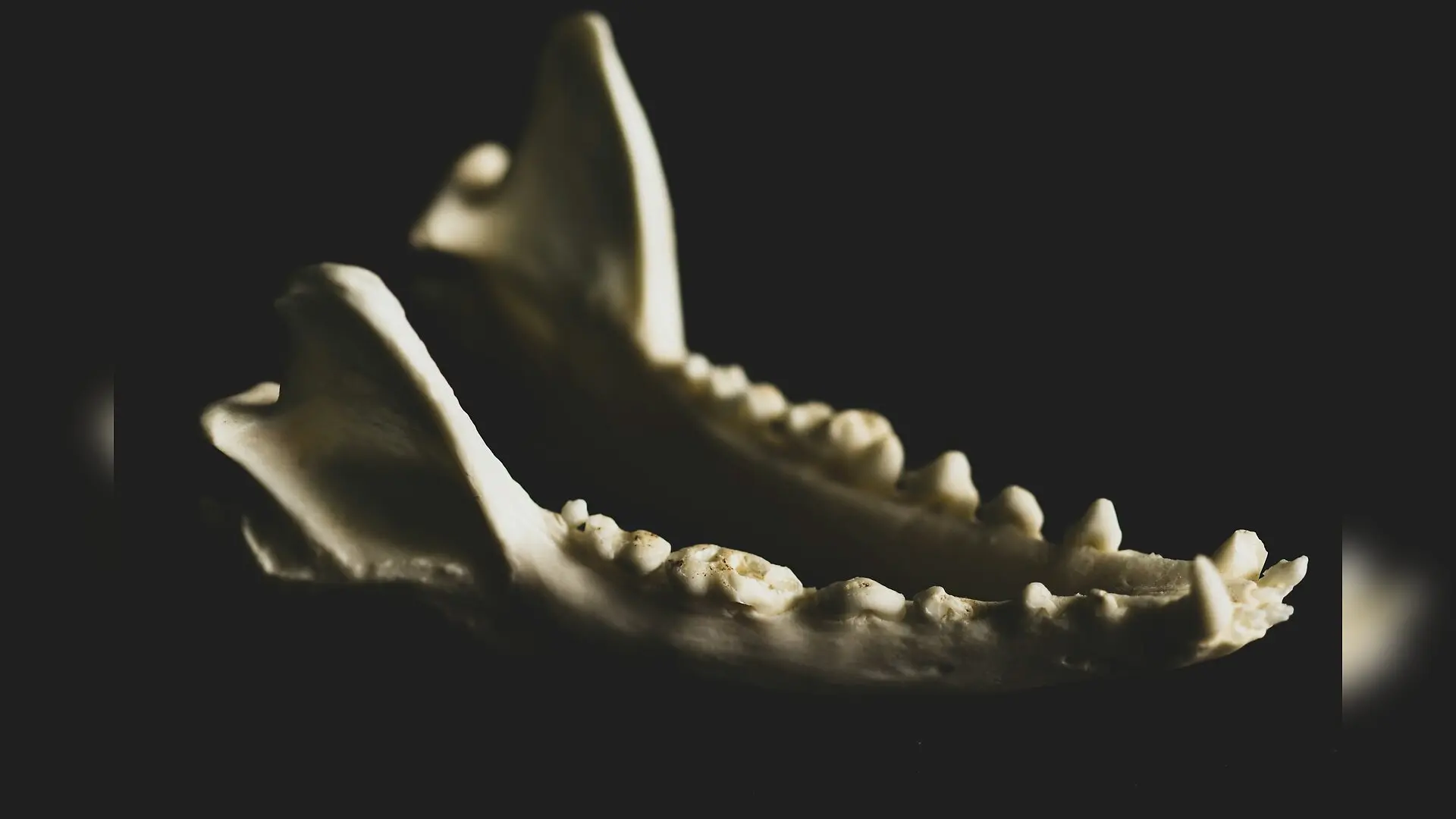
When doctors try to regrow damaged jawbone tissue, finding a way to deliver living cells safely and effectively has always been a major hurdle. Now, a team of researchers has developed a new injectable hydrogel that could change how dental and facial reconstructive surgeries are performed.
The newly engineered material is designed to carry stem cells directly into bone defects, where it solidifies and encourages the body to repair itself. Led by researchers including Yi Wen and Xiaoming Chen, the team described their findings in a study published in MedComm on November 20, 2026. This laboratory development offers a potential pathway toward simpler treatments for patients suffering from severe jaw injuries or bone loss.
How Does This Injectable Hydrogel Help Bone Tissue Grow?
Reconstructing the jawbone after trauma, tumor removal, or severe dental disease usually requires invasive procedures involving rigid scaffolds or bone grafts harvested from elsewhere in the body. These traditional methods can lead to complications, prolonged recovery times, and significant discomfort for the patient. The hydrogel approach seeks to bypass these challenges by using a liquid material that can be injected through a standard syringe and shaped precisely to fit irregular bone cavities.
Once injected into the target site, the hydrogel undergoes a chemical transformation, turning into a stable, supportive matrix. This gel-like network acts as a temporary home for mesenchymal stem cells, which are specialized cells capable of developing into bone tissue. By trapping these cells in the exact spot where repair is needed, the material provides a local environment that stimulates cell growth and new blood vessel formation.
What Did Laboratory Tests Reveal About Tissue Regeneration?
Before any potential clinical use, the research team tested the hydrogel’s performance in laboratory settings and animal models to evaluate its safety and effectiveness. The experiments showed that the material maintained good structural integrity while allowing essential nutrients and oxygen to pass through to the developing cells. Furthermore, the hydrogel degraded safely over time as natural bone tissue gradually replaced it, preventing the need for a second surgery to remove leftover material.
The team observed that bone regeneration occurred more uniformly throughout the defect site when the hydrogel was combined with stem cells compared to standard healing methods. The local inflammatory response remained within safe limits, indicating that the body tolerated the synthetic matrix well without triggering severe immune rejection.
What Are the Next Steps for This Regenerative Biomaterial?
Despite these promising laboratory results, the technology is still in the experimental phase and has not yet been tested in human clinical trials. Researchers must conduct further long-term studies in larger animal models to confirm that the regenerated bone can withstand the mechanical pressures of chewing and daily facial movements. Scientists also need to optimize the degradation rate of the hydrogel to match the exact speed at which human bone heals.
If future trials prove successful, this injectable platform could eventually reduce the complexity of jaw reconstruction surgeries and shorten recovery periods for patients. For now, the study highlights the growing potential of smart biomaterials in modern regenerative medicine and dentistry.
The research was published in MedComm on November 20, 2026.
This article has been fact checked for accuracy, with information verified against reputable sources. Learn more about us and our editorial process.
Last reviewed on .
Article history
- Latest version
Cite this page:
- Posted by David Anderson