Postmenopausal Women Show Lower Depression Odds With Moderate Alpha-Klotho Levels
An analysis of thousands of health records suggests a biological link between cellular aging proteins and mood after menopause, though premenopausal women show no such pattern.

Middle-aged and older women who have gone through menopause show a distinct biological link between blood protein levels and mood, according to an observational study of more than five thousand women.
Depression affects hundreds of millions of people worldwide and impacts women nearly twice as often as men, yet researchers still puzzle over why susceptibility shifts across a woman’s lifetime. In the new investigation, researchers examined circulating levels of a protein known for its role in aging and cell protection, evaluating whether its presence in the bloodstream correlates with depressive symptoms differently before and after the end of natural menstruation.
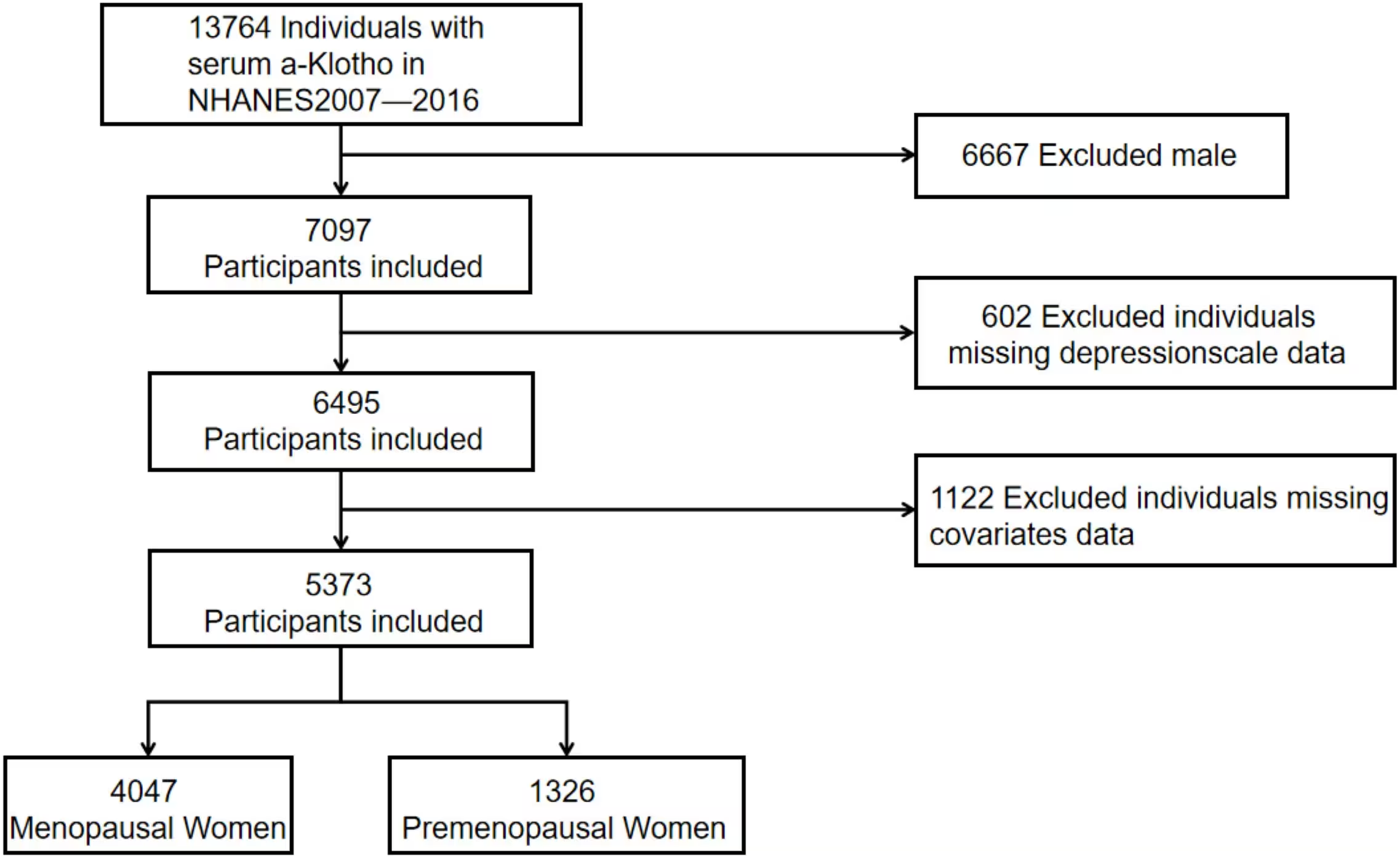
The research, published in PLOS One by Gen Liu and colleagues at Yan’an University, analyzed health data gathered from 5,373 American women aged 40 and older who participated in multi-year national health surveys between 2007 and 2016. To gauge mental health, the surveys utilized the Patient Health Questionnaire-9, a standard screening tool where scores of 10 or higher indicate clinically relevant depressive symptoms. Blood serum samples stored from these participants were subsequently thawed and tested for concentrations of a circulating protein called alpha-Klotho.
How Does Alpha-Klotho Influence Brain Health and Mood?
Alpha-Klotho acts as an anti-aging hormone and cellular regulator, helping to control oxidative stress, dampening inflammation, and supporting neural function in brain regions that govern emotion. As people age, natural production of this protein declines, a drop that scientists have previously connected to chronic kidney disease, diabetes, and neurodegenerative conditions. Because estrogen helps regulate Klotho expression, researchers suspected that the sweeping hormonal shifts of menopause might alter how this protein interacts with mental well-being.
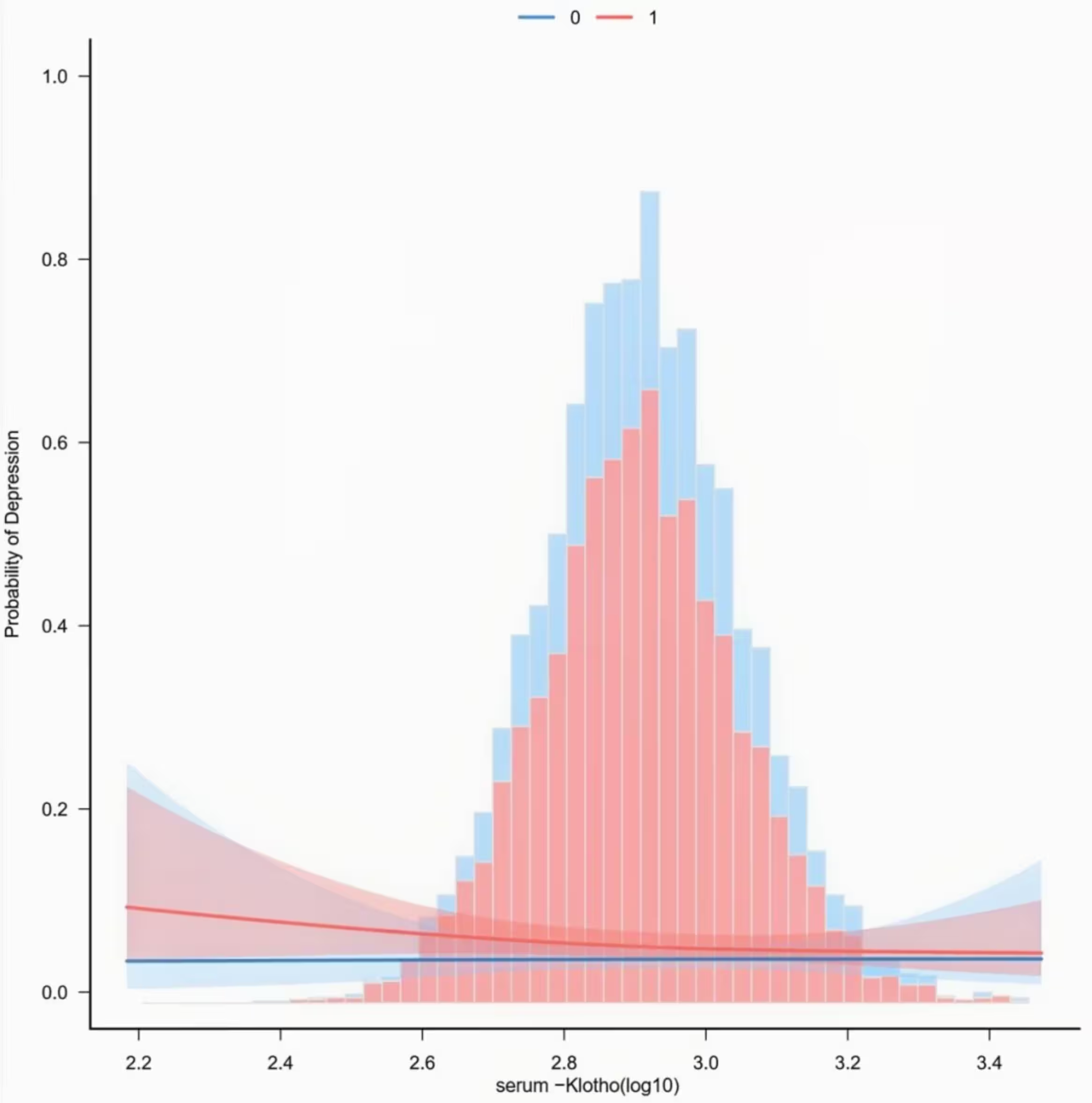
When the researchers divided the participants into quartiles based on their blood Klotho concentrations, a nuanced pattern emerged among postmenopausal women. Those whose protein levels fell into the third quartile, representing moderately high concentrations, demonstrated lower odds of screening positive for depression compared to women in the lowest quartile. This inverse relationship remained consistent even after adjusting for a wide range of confounding variables, including age, body mass index, sleep duration, household income, and existing chronic illnesses such as hypertension and diabetes.
Why Did Premenopausal Women Show No Similar Pattern?
Interestingly, the protective association failed to appear in premenopausal participants. Among the 1,326 women whose menstrual cycles were still active, blood alpha-Klotho concentrations showed no statistically significant relationship with depressive symptom scores across any of the quartiles. Furthermore, the highest quartile of Klotho did not show a reduced risk in either group, hinting at a non-linear threshold effect rather than a straightforward dose-response relationship where more protein always equals better mood protection.
The authors acknowledge several limitations in their work, notably its cross-sectional design, which captures only a single snapshot in time and cannot prove cause and effect. It remains entirely possible that depressive states or associated lifestyle factors influence blood protein levels rather than the other way around. Additionally, variations in survey questionnaires across different years meant that researchers could not fully separate natural menopause from surgical menopause in the entire cohort without losing statistical power, nor could they account for hormone replacement therapy or exact perimenopausal timing.
While formal statistical tests for interaction between menopausal status and Klotho levels did not reach significance, the divergence between the premenopausal and postmenopausal findings points to a hormonal context that changes how the body handles cellular stress. If future longitudinal studies with larger, uniformly staged cohorts validate these findings, targeted investigations into Klotho-related pathways could eventually open new avenues for understanding the complex ties between midlife hormonal transitions, cellular aging, and mental health.
The research was published in PLOS One on November 25, 2026.
This article has been fact checked for accuracy, with information verified against reputable sources. Learn more about us and our editorial process.
Last reviewed on .
Article history
- Latest version
Reference(s)
- Liu, Gen., et al. “Influence of menopausal status on the association between serum α-Klotho levels and depression in middle-aged and elderly women: A cross-sectional study from NHANES 2007–2016.” PLOS One, vol. 21, no. 11, November 25, 2026, pp. e0362554 Public Library of Science (PLoS), doi: 10.1371/journal.pone.0362554. <https://doi.org/10.1371/journal.pone.0362554>.
Cite this page:
- Posted by David Anderson