Small Peptide Molecules Show Surprising Potential to Rewire Cancer Defenses
Recent scientific reviews highlight how compact peptide chains can penetrate dense tumor tissues and reprogram rogue immune cells.
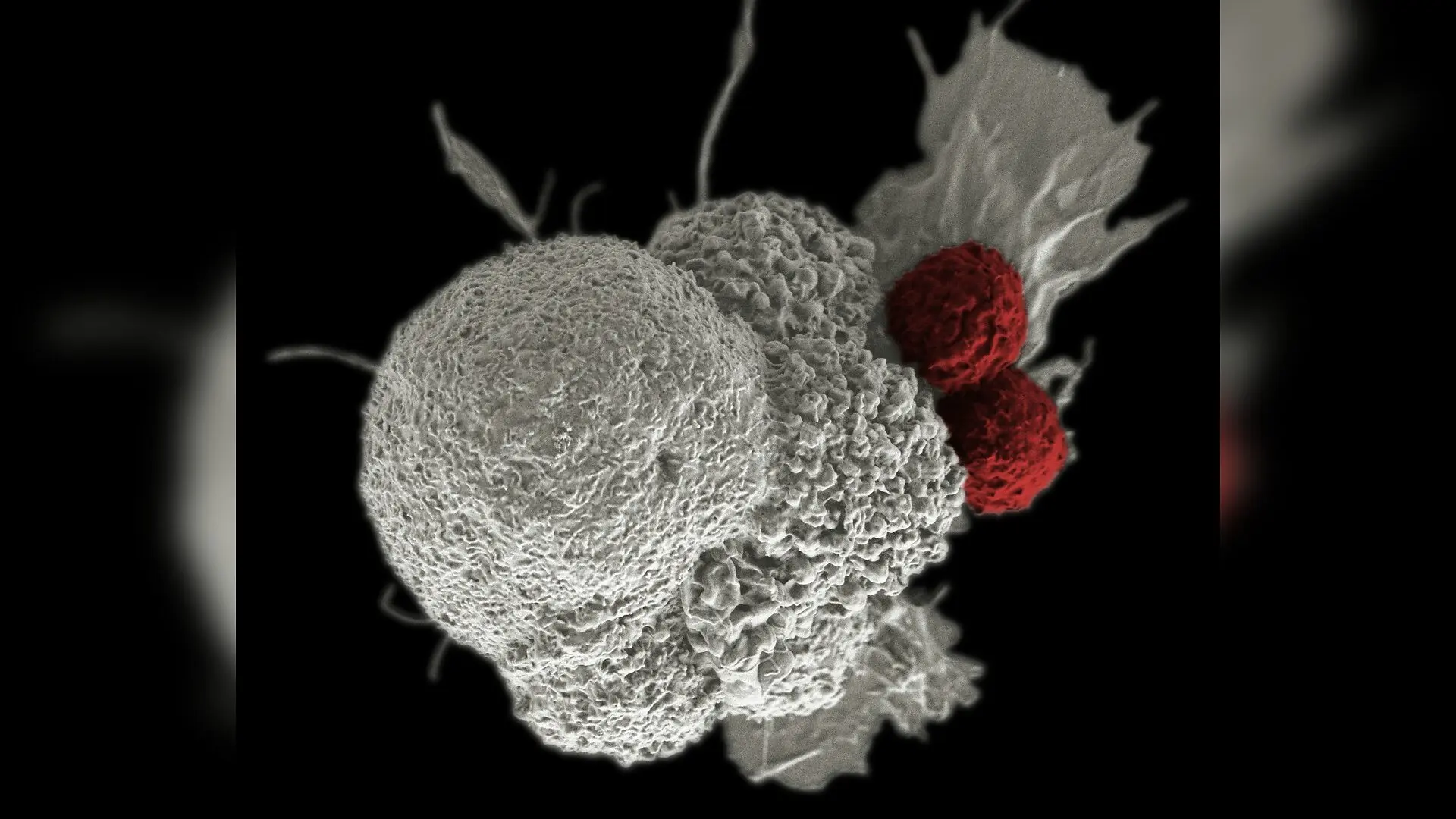
A collaborative team of researchers has mapped how tiny strings of amino acids known as immunomodulatory peptides can rewire the cellular defenses around tumors, pointing to fresh ways to help the immune system recognize and destroy malignant growths. The findings, published in the Experimental hematology & oncology journal under the title published in Experimental hematology & oncology, outline how these compact molecules act as precision instruments to coordinate immune cells within the tumor microenvironment.
How Do Tiny Peptides Target Resistant Tumors?
Cancer cells often build a protective shield of immunosuppressive signals that hide them from the body’s patrolling defenses. While large antibody therapies struggle to penetrate dense tumor tissue, these small peptide structures measuring less than five kilodaltons can easily slip deep into the tumor mass. Lead authors Ya Guo, Longfei Kong, Yuxin Zhuang, and colleagues at their respective institutions explain that peptides possess a unique mix of high target specificity and low toxicity.
Unlike conventional small-molecule drugs that can trigger widespread side effects, natural peptide sequences degrade safely into harmless amino acids. The study details how researchers cataloged numerous peptide agents capable of binding directly to key receptors on immune cells. This engagement triggers the activation of T cells, natural killer cells, and macrophages without causing the severe off-target damage often linked to standard chemotherapy.
Can These Molecules Turn Macrophages Into Tumor Killers?
Macrophages inside tumors frequently switch to a supportive state that helps cancer grow and spread. The review highlights specific peptides, such as CSP32 and M2pep, that force these corrupted macrophages to flip back into an aggressive, tumor-fighting profile. By engaging surface proteins like Toll-like receptors, these peptides stimulate the production of toxic molecules and inflammatory signals that actively dismantle malignant cells.
Furthermore, dendritic cells receive a significant boost from peptide delivery systems. Peptides like RADA16 provide a supportive matrix that extends the survival of dendritic cells and enhances their ability to present tumor antigens to naive T cells. This coordinated activation helps initiate a powerful, multi-pronged adaptive immune response against stubborn malignancies.
What Are the Next Steps for Peptide Immunotherapy?
Despite their promising pharmacodynamic profile, natural peptides face a major hurdle in clinical settings due to rapid degradation by enzymes in the bloodstream. To solve this problem, bioengineers are turning to chemical modifications such as cyclization, PEGylation, and D-peptide structures that resist enzymatic breakdown. These modifications significantly extend circulation times and improve therapeutic effectiveness.
The research team emphasizes that combining peptide immunotherapies with existing treatments like immune checkpoint inhibitors or radiation creates a powerful synergistic effect. As artificial intelligence tools accelerate the design of custom peptide sequences, personalized cancer vaccines tailored to individual patient mutanomes are moving steadily closer to routine clinical reality.
The research was published in Experimental hematology & oncology on November 23, 2026.
This article has been fact checked for accuracy, with information verified against reputable sources. Learn more about us and our editorial process.
Last reviewed on .
Article history
- Latest version
Reference(s)
- Guo, Yibo., et al. “Immunomodulatory peptides for cancer therapy: mechanisms, applications, and precision immunotherapy.” Experimental Hematology & Oncology, vol. 15, no. 1, November 23, 2026 Springer Science and Business Media LLC, doi: 10.1186/s40164-026-00838-5. <https://doi.org/10.1186/s40164-026-00838-5>.
Cite this page:
- Posted by Susan White