Common Plant Extract Shields Kidneys From Severe Damage Caused by Powerful Antibiotic in Mouse Study
Arabic gum extract successfully restores antioxidant defenses and blocks inflammatory pathways triggered by amikacin toxicity.
A common natural gum derived from Acacia trees can shield the kidneys from severe damage caused by a potent antibiotic, according to new research in mice. Amikacin is a powerful antibiotic frequently prescribed to treat serious bacterial infections, but its clinical use is severely limited because it triggers acute kidney injury in many patients.
To investigate whether natural compounds might prevent this organ damage, a team of researchers led by Hamad Al Shahi and colleagues at Jazan University tested the protective properties of Arabic gum, a therapeutic plant exudate rich in dietary fiber. The study, published in PLOS One, reveals that co-treating animals with the gum extract significantly counteracts the oxidative stress, inflammation, and cellular destruction provoked by the medication.
How Does the Antibiotic Harm Kidney Tissue?
When administered in high doses, amikacin accumulates inside the specialized filtration cells of the kidneys, known as proximal tubular cells. Once trapped inside these cellular compartments, the drug triggers a cascade of mitochondrial and lysosomal dysfunction that generates large amounts of reactive oxygen species, which are highly reactive molecules that damage cellular structures.
This surge in oxidative stress depletes the body’s natural antioxidant defenses, including reduced glutathione and superoxide dismutase enzymes. The resulting cellular membrane damage leads to lipid peroxidation, a process where free radicals steal electrons from cell lipids, ultimately causing widespread tissue swelling and programmed cell death.
What Happens When Arabic Gum Is Added?
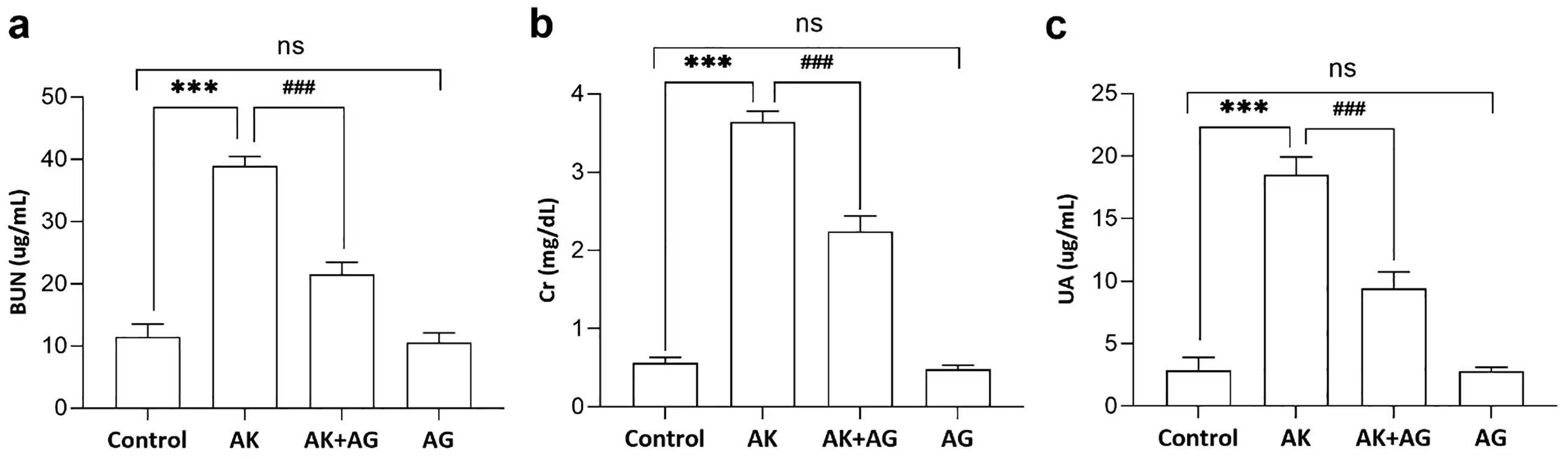
To test the potential protective effects of Arabic gum, the investigators divided male albino mice into four groups of nine animals each. One group received a single high dose of amikacin, a second group received the antibiotic alongside an oral aqueous extract of Arabic gum, a third group received the gum alone, and a control group received only distilled water.
The analysis showed that mice treated exclusively with the antibiotic suffered a massive spike in serum kidney markers, including blood urea nitrogen, creatinine, and uric acid, confirming acute renal failure. However, mice that received the gum extract alongside the drug experienced a marked reduction in these blood markers, indicating preserved filtration capacity.
Why Do Inflammatory Markers Drop Sharply?
The protective action of the plant extract extends beyond simple antioxidant replenishment. Amikacin treatment stimulates inflammatory pathways by releasing nuclear factor kappa beta and pro-inflammatory cytokines such as interleukin-6, interleukin-1 beta, and tumor necrosis factor-alpha, while simultaneously suppressing anti-inflammatory molecules like interleukin-10.
When the researchers evaluated tissue samples, they found that administering the gum extract successfully reversed these inflammatory signals. Real-time polymerase chain reaction analysis confirmed that gene expression levels for harmful inflammatory cytokines dropped significantly in the co-treated animals, closely resembling the baseline levels seen in healthy control mice.
What Do Histological Scans and Limitations Reveal?
Microscopic examination of kidney tissue stained with hematoxylin and eosin showed severe tubular dilation, lesions, and necrosis in mice given the antibiotic alone. In contrast, animals receiving the gum extract displayed well-preserved cellular architecture with dramatically lower tubular injury scores.
Immunohistochemical staining for p53 and paired box gene 8 proteins, which serve as key indicators of cellular apoptosis and tubular damage, confirmed that the gum treatment successfully downregulated the apoptotic cascade. Despite these promising histological results, the authors emphasize important limitations, noting that the study relied on a single-dose mouse model rather than a chronic multi-dose regimen, involved only male subjects, and did not test whether the gum interferes with the antibiotic’s bacterial killing power in active infections.
The research was published in PLOS One on November 25, 2026.
This article has been fact checked for accuracy, with information verified against reputable sources. Learn more about us and our editorial process.
Last reviewed on .
Article history
- Latest version
Reference(s)
- Al Shahi, Hamad., et al. “Arabic Gum suppresses lipid peroxidation, NF-κB mediated inflammation, and reduces P53/PAX8 expression in amikacin-induced nephrotoxicity.” PLOS One, vol. 21, no. 11, November 25, 2026, pp. e0363686 Public Library of Science (PLoS), doi: 10.1371/journal.pone.0363686. <https://doi.org/10.1371/journal.pone.0363686>.
Cite this page:
- Posted by David Anderson