Heavy Lifting Displaces 62-Year-Old Man Testicle Into Groin In Rare Atraumatic Emergency
A rare case report reveals how extreme physical strain can cause a testicle to shift out of the scrotum without any blunt trauma.
A 62-year-old male experienced sudden testicular displacement into his groin after lifting a heavy generator, presenting a rare case of atraumatic injury without physical impact. Testicular dislocation typically occurs only during severe blunt trauma like high-speed vehicle collisions, making this lifting-induced incident an unexpected medical puzzle for emergency staff. Brittany Fahringer and colleagues from Indiana University detailed the unusual event published in Case Reports in Urology, highlighting the unique diagnostic hurdles doctors face when severe organ displacement happens without any external blow.
What Happened During the Heavy Lifting Incident?
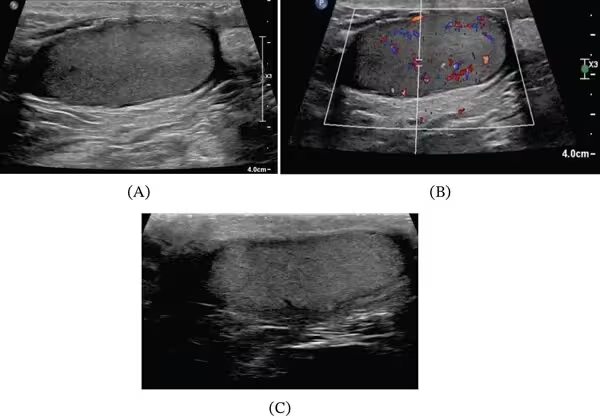
The patient was lifting a three-hundred-pound generator into his truck when he felt sharp, sudden pain in his right testicle accompanied by nausea, heavy sweating, and shortness of breath. When he arrived at the emergency department, clinical examination revealed an empty right hemiscrotum alongside a tender, palpable mass trapped inside his right inguinal canal, which is the passage through the lower abdominal wall. Medical staff administered intravenous pain relief and anti-nausea medications before ordering an ultrasound scan to check the organ’s health.
The imaging confirmed that the right testicle had been forcefully displaced upward into the inguinal canal, though it thankfully retained healthy blood flow and showed no signs of twisting, which is known as testicular torsion. A urology specialist successfully performed a manual bedside reduction, pushing the organ back down into the upper part of the scrotum. Although the initial procedure went smoothly and subsequent scans confirmed normal blood supply, the patient’s recovery took a difficult turn over the following weeks.
Why Did This Rare Dislocation Occur Without Trauma?
Most adult cases of testicular displacement stem from high-impact accidents, but researchers believe this patient’s medical history played a crucial role in his vulnerability. The man had a childhood history of an undescended testicle, meaning it did not move into its proper scrotal position naturally during early development, alongside prior surgeries to repair bilateral inguinal hernias. These past factors likely altered his anatomical structures and tissue mobility, creating a setting where extreme physical exertion could trigger an abnormal physical reaction.
Doctors point toward an exaggerated cremaster muscle reflex during heavy lifting as the primary mechanical culprit behind the displacement. The cremaster muscle is responsible for pulling the testicle upward in response to temperature changes or physical stress, and intense strain can cause it to contract violently. In patients with altered pelvic anatomy or previous hernia repairs, that powerful reflex can pull the organ entirely out of the scrotum and trap it higher up in the canal.
What Were the Long-Term Complications for the Patient?
Despite the successful manual reset, the patient suffered from ongoing, persistent discomfort that sent him to multiple different medical facilities over the span of several weeks. Subsequent computed tomography scans and repeated ultrasounds continued to show proper blood perfusion, but his pain refused to subside. Later imaging sessions eventually revealed a noticeable decrease in the size of the affected testicle, raising serious clinical concerns that the organ was beginning to atrophy.
Medical guidelines suggest that persistent pain or signs of shrinking tissue often warrant surgical intervention, such as an orchiopexy to permanently stitch the testicle in place. However, the patient was unfortunately lost to follow-up before doctors could perform definitive surgical management or fully assess his long-term recovery, fertility risks, and potential tissue wasting.
The research was published in Case reports in urology on November 19, 2026.
This article has been fact checked for accuracy, with information verified against reputable sources. Learn more about us and our editorial process.
Last reviewed on .
Article history
- Latest version
Reference(s)
- Fahringer, Brittany., et al. “An Unusual Case of Atraumatic Testicular Dislocation Case Report.” Case Reports in Urology, vol. 2026, no. 1, November 19, 2026 Wiley, doi: 10.1155/criu/3550956. <https://doi.org/10.1155/criu/3550956>.
Cite this page:
- Posted by David Anderson