Future Math Teachers Struggle to Blend Engineering Design With School Curricula
A new study reveals that while prospective educators value hands-on STEM projects, they frequently omit key iterative testing and empathy phases from their lesson plans.
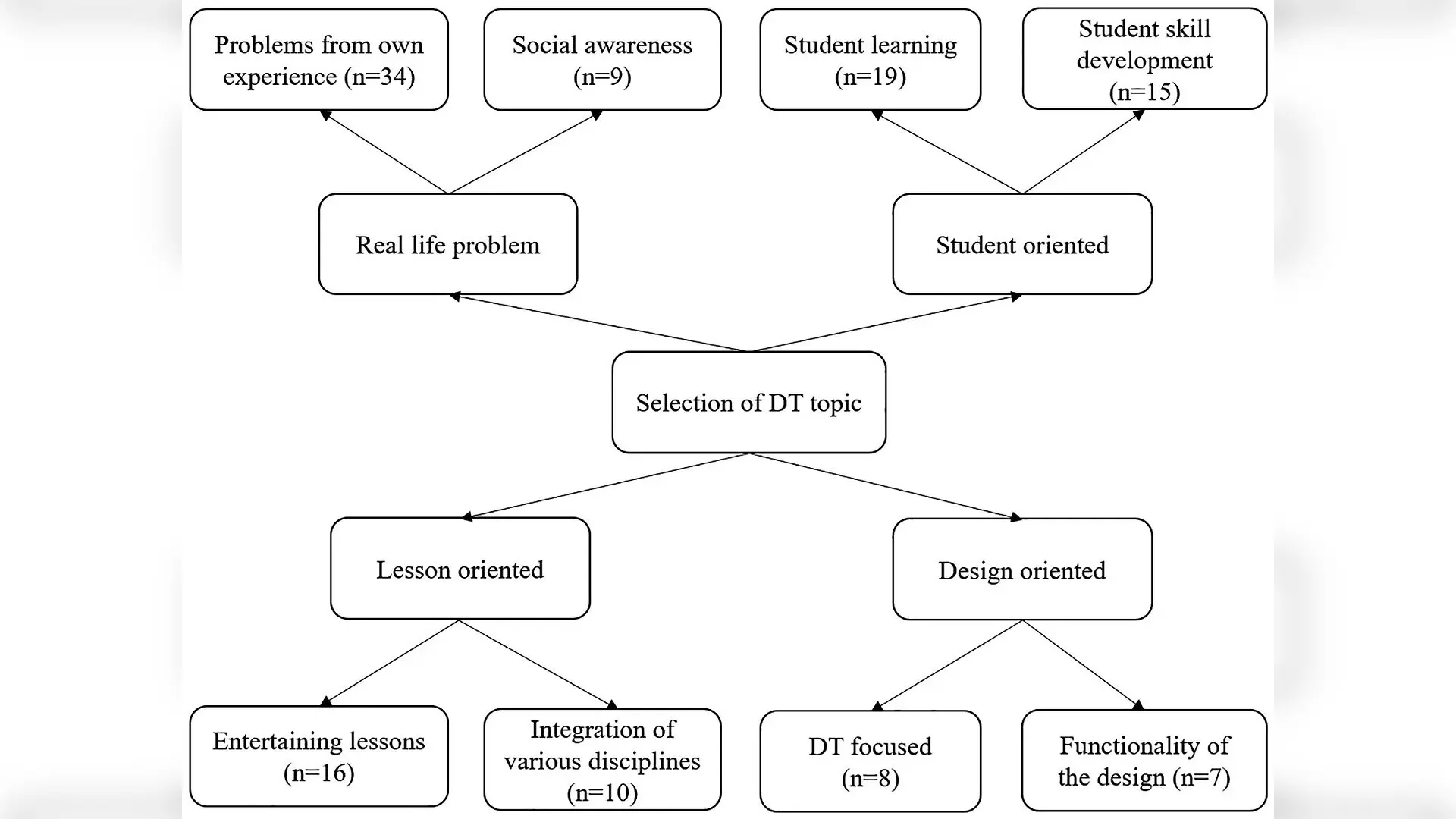
When future mathematics teachers attempt to blend hands-on engineering challenges with classroom math, they often struggle to balance creative problem-solving with the strict demands of the school curriculum, a new study reveals.
Mathematics is frequently sidelined in interdisciplinary science, technology, engineering, and mathematics education, where science-driven projects tend to steal the spotlight. To investigate how to give numbers a more central role, researchers examined how future educators use a user-centered framework known as design thinking to craft integrated lesson plans. The work is published in PLOS One.
The 15-Week Design Experiment With Future Teachers
The study followed 55 senior pre-service mathematics teachers enrolled at a state university in Türkiye during the 2021-2022 academic year. None of the participants had prior experience with design thinking or specialized STEM coursework. Over 15 weeks, the participants took part in a methods course designed to teach them how to build mathematics-centered STEM lessons.
As part of their coursework, the future educators worked in small groups to produce 24 distinct lesson plans targeting middle school students. These plans covered topics ranging from designing solar system models and periscopes to calculating optimal container shapes for harvesting rainwater. To guide their designs, the university instructor provided a standardized template based on the five phases of design thinking: empathy, defining the problem, ideation, prototyping, and testing.
What the Lesson Plans Revealed About Math and Design
The research team evaluated the lesson plans using established assessment rubrics to measure how well the projects integrated math with other disciplines. Three-quarters of the lesson plans successfully placed mathematics at the core of the activity, using concepts like geometric reasoning, measurement, and data analysis to solve authentic problems.
However, the implementation of the five design thinking stages proved uneven. While 95.8 percent of the plans included a clear problem definition phase, and over 83 percent incorporated idea generation and physical prototyping, other phases were largely neglected.
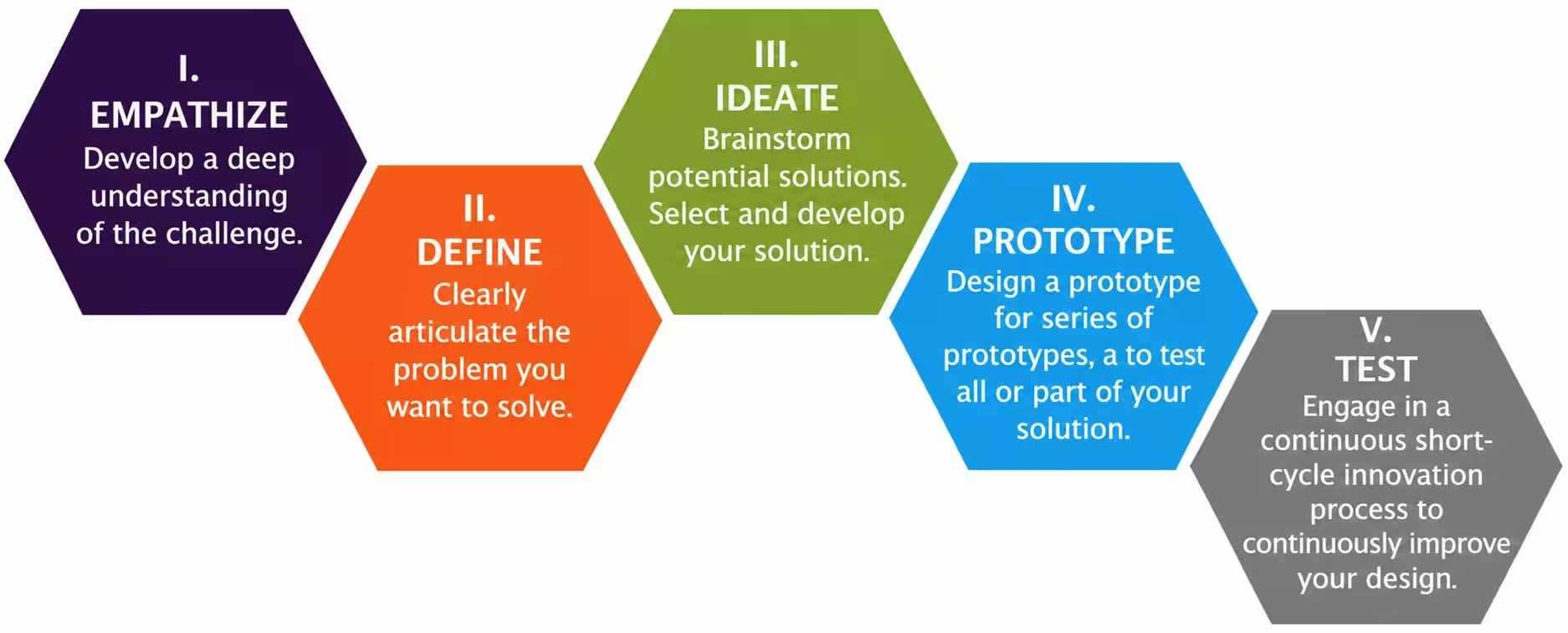
- Empathy phase: Included in only 20.8 percent of the lesson plans, meaning most future teachers bypassed gathering user feedback or exploring real human needs.
- Testing phase: Featured in 54.2 percent of the plans, showing that systematic evaluation and data-driven refinement were often treated as secondary steps.
Only three out of the 24 collaborative lesson plans successfully incorporated all five phases of the design cycle with robust mathematical integration.
Why Future Educators Found the Process Challenging
In addition to analyzing the lesson plans, the researchers collected individual questionnaire responses from all 55 participants to explore their perspectives and hurdles. While the future teachers overwhelmingly agreed that design thinking fosters student engagement and 21st-century skills like creativity and cooperation, they highlighted significant practical obstacles.
More than half of the respondents pointed out that open-ended design projects are extremely time-consuming. Many worried that spending weeks on iterative testing would leave them unable to cover the mandated national math curriculum or prepare students for standardized exams. Others cited difficulties in sourcing classroom materials, managing crowded classrooms, and translating abstract design principles into concrete grading rubrics.
What These Findings Mean for Modern Classrooms
The authors note that the study relied on lesson plan artifacts and self-reported questionnaires rather than observing actual classroom teaching. Therefore, the findings reflect what the prospective teachers planned rather than how those lessons would unfold with children.
Despite these limitations, the work points to a vital need for teacher training programs to provide deeper support. If teacher preparation courses want future educators to use design thinking effectively, they must show them how to treat testing and mathematical modeling not as an afterthought, but as an ongoing tool to evaluate and refine real-world solutions.
The research was published in PLOS One on November 2, 2026.
This article has been fact checked for accuracy, with information verified against reputable sources. Learn more about us and our editorial process.
Last reviewed on .
Article history
- Latest version
Reference(s)
- Karaman Dündar, Rüveyda. “Pre-service mathematics teachers’ integration of design thinking in STEM lesson plans: Insights from a qualitative case study.” PLOS One, vol. 21, no. 11, November 2, 2026, pp. e0361875 Public Library of Science (PLoS), doi: 10.1371/journal.pone.0361875. <https://doi.org/10.1371/journal.pone.0361875>.
Cite this page:
- Posted by Rabia Shah