How 112 Global Studies Reveal Science Survives Crises
A new review maps the hidden project suspensions, digital divides, and funding flexibilities that shaped research during major global emergencies.
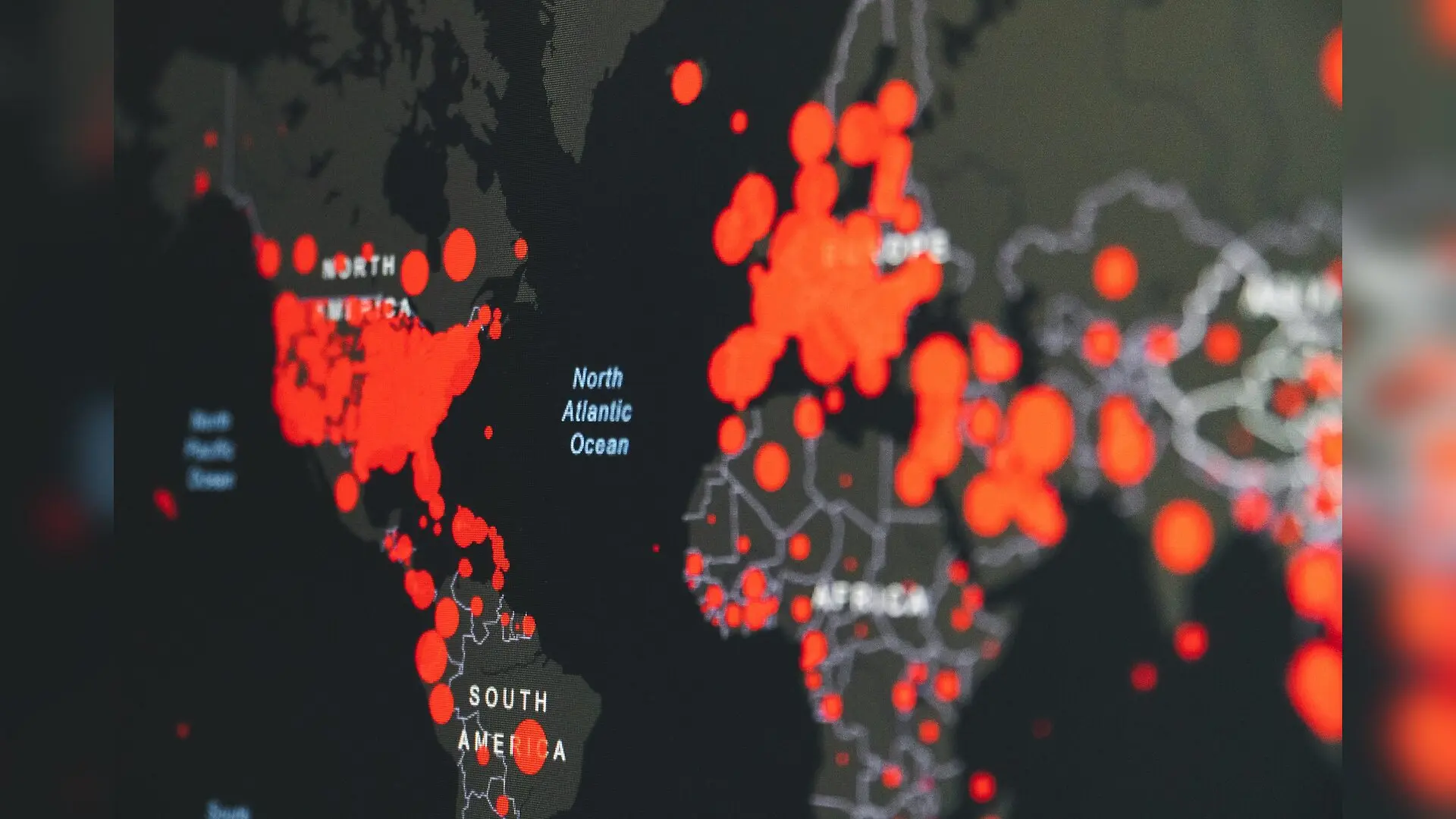
When global emergencies force laboratories to close and fieldwork to halt, science does not simply pause, but instead faces a chaotic scramble to survive. A comprehensive review published in PLOS One reveals how 112 studies tackled the hidden vulnerabilities of research systems during major disruptions. The findings show that while the COVID-19 pandemic triggered 91 percent of the analyzed literature, the underlying hurdles span everything from natural disasters to armed conflicts.
What Happens When 112 Global Studies Map Crisis Disruption?
Lili Zeidan and colleagues evaluated quantitative, qualitative, and mixed-methods research published between January 2000 and January 2026. Nearly half of the examined work utilized mixed-methods designs, focusing heavily on clinical fields, social sciences, and public health. Most of these investigations centered on North America and Europe, with roughly 80 percent originating in high-income nations. By sorting through over 22,000 initial citations, the team mapped the exact breakdown of how research breaks down under pressure.
The authors found that 94 percent of the literature documented severe obstacles at three distinct levels: individual projects, host institutions, and funding agencies. At the project level, 58 percent of reports cited project suspension and reprioritization as the primary blow. Researchers routinely had to cancel or slow down investigations because they could not access laboratories, equipment, or clinical sites.
Why Participant Recruitment and Digital Divides Cripple Science
Beyond physical lockouts, recruitment dropped in 28 percent of reported cases as participants fell ill, died, or simply feared exposure. Collecting data remotely introduced technological bottlenecks for 24 percent of projects, as teams struggled with unstable internet connections and unfamiliar digital tools. Data quality also suffered in 10 percent of studies, reflecting lower fidelity when traditional methods were abandoned.
Institutional shortcomings worsened these project-level failures. Fourteen percent of studies pointed to a lack of institutional support, frequently driven by poor leadership engagement and infrastructural breakdowns like electricity blackouts. Vague or conflicting guidance from administrative bodies left researchers stranded without clear operating rules during rapidly evolving emergencies.
How Flexible Funding and Virtual Pivots Keep Science Alive
To combat these threats, 82 percent of the reviewed papers highlighted active mitigation strategies. The most common fix, appearing in 80 percent of studies, was introducing operational flexibility by moving processes to virtual modalities. Institutions also invested in digital infrastructure and provided remote training, while 31 percent of studies pointed to strategic interventions like forming new partnerships and sharing resources.
Grant providers played a vital rescue role in 32 percent of the literature. Funders offered financial flexibility by granting deadline extensions, allowing budget reallocations, and injecting emergency cash. They also supported operational continuity by permitting methodological adjustments to existing research protocols.
What Are the Blind Spots and Limits of Current Crisis Research?
Despite offering a broad map of resilience, the authors note clear boundaries in the existing data. Because 80 percent of the literature focused on high-income settings and pandemic conditions, the lessons may not apply equally to economic crashes, political instability, or environmental disasters in low- and middle-income regions. The heavy reliance on English-language publications further restricts global generalizability.
The authors conclude that protecting future science demands proactive planning rather than reactive scrambling. Building resilient research systems requires institutions to pre-approve protocols, secure digital infrastructure, and establish flexible ethical oversight before the next crisis hits.
The research was published in PLOS One on November 2, 2026.
This article has been fact checked for accuracy, with information verified against reputable sources. Learn more about us and our editorial process.
Last reviewed on .
Article history
- Latest version
Reference(s)
- Zeidan, Lili., et al. “Ensuring research continuity during crises: A scoping review.” PLOS One, vol. 21, no. 11, November 2, 2026, pp. e0353082 Public Library of Science (PLoS), doi: 10.1371/journal.pone.0353082. <https://doi.org/10.1371/journal.pone.0353082>.
Cite this page:
- Posted by Joseph Jackson