Thirty-Minute Clinic Blood Pressure Check Overestimates 24-Hour Monitoring Results
A rapid automated office protocol offers high sensitivity for screening but fails to capture nocturnal blood pressure patterns, according to new data.
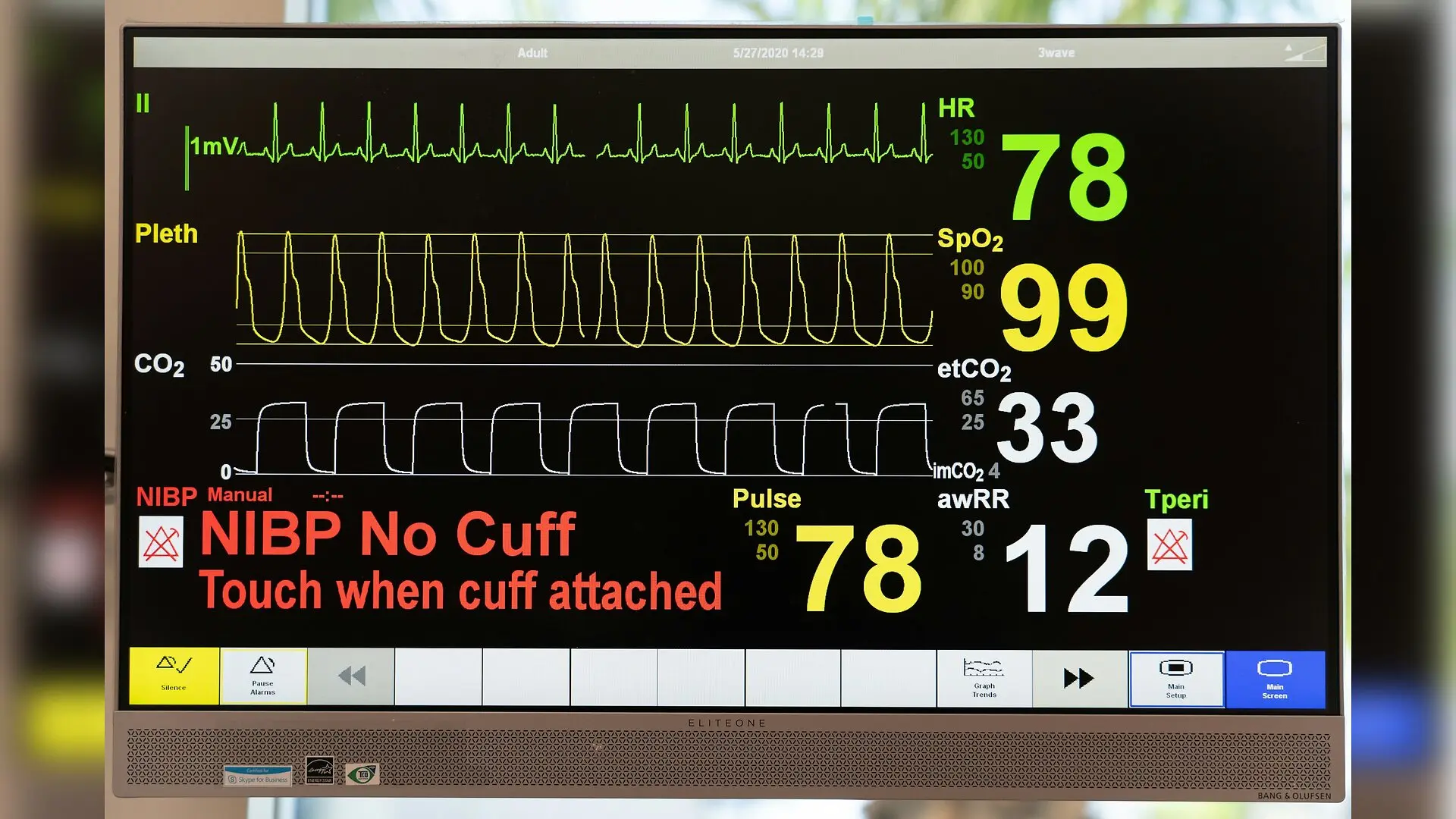
A fast blood pressure check done in a quiet clinic room consistently records higher readings than a full day of portable monitoring, according to new research. The study tested whether a 30-minute automated office check could replace the cumbersome 24-hour monitoring device usually required to diagnose hypertension.
Hypertension, or chronically high blood pressure, remains a leading risk factor for cardiovascular events worldwide. While wearing an ambulatory monitor for an entire day is considered the clinical gold standard, it often causes patient discomfort, disrupts sleep, and faces severe logistical hurdles in busy healthcare systems. To investigate whether an abbreviated clinic method could overcome these barriers, researchers analyzed data from 79 adults who underwent both a 30-minute automated office blood pressure protocol and a 24-hour ambulatory monitoring session. The study is published in PLOS One as an open-access evaluation of diagnostic accuracy.
How the Abbreviated Clinic Protocol Works
During the 30-minute automated office blood pressure procedure, patients rested alone in a quiet room while a compact device inflated automatically every five minutes. The medical team discarded the initial two measurements to allow the patient to settle and averaged the remaining six readings. Participants had a median age of 35 years, and 61 percent were male. None of the participants had a prior diagnosis of high blood pressure or were taking blood pressure medication when they enrolled.
The results showed that the 30-minute office values were systematically higher than the 24-hour ambulatory averages across all comparisons. Systolic blood pressure, which measures the pressure when the heart beats, averaged 136.85 millimeters of mercury during the short clinic check compared to 130.27 millimeters of mercury over the full 24 hours. Diastolic blood pressure, representing the pressure between heartbeats, showed a similar upward bias, averaging 84.73 millimeters of mercury in the clinic compared to 77.46 millimeters of mercury on the portable monitor.
Understanding the Limits of Short Clinic Checks
The largest discrepancies appeared when the short office readings were compared against nighttime ambulatory blood pressure. The short clinic check exceeded nighttime averages by more than 12 millimeters of mercury for systolic pressure and nearly 12 millimeters of mercury for diastolic pressure. Because blood pressure naturally drops during sleep, an awake seated measurement cannot capture nocturnal dipping patterns or nighttime hypertension.
Statistical evaluations using Bland-Altman analysis revealed that while group-level averages showed acceptable proximity, the individual limits of agreement were wide. The short office protocol demonstrated high sensitivity, meaning it successfully flagged elevated readings, but modest specificity. The best overall diagnostic agreement with the 24-hour standard occurred at a 30-minute threshold of 140 over 84 millimeters of mercury.
Context and Cautions in Real-World Settings
The authors note that the study relied on a relatively small convenience sample of 79 participants at a single medical center in Vietnam, which may limit how broadly these findings apply to other populations. Furthermore, factors such as daily activity, sleep quality, and the exact timing of measurements were not fully controlled. The findings suggest that while a 30-minute automated office check offers a practical screening tool in busy clinics, normal results cannot completely rule out ambulatory hypertension, meaning 24-hour monitoring remains essential when clinical suspicion stays high.
The research was published in PLOS One on November 2, 2026.
This article has been fact checked for accuracy, with information verified against reputable sources. Learn more about us and our editorial process.
Last reviewed on .
Article history
- Latest version
Reference(s)
- Bui, Ai Cao My., et al. “Compare 30-minute automated office blood pressure vs 24-hour ambulatory blood pressure monitoring: A prospective study.” PLOS One, vol. 21, no. 11, November 2, 2026, pp. e0360957 Public Library of Science (PLoS), doi: 10.1371/journal.pone.0360957. <https://doi.org/10.1371/journal.pone.0360957>.
Cite this page:
- Posted by Joseph Jackson