Why One in Ten Undocumented Migrant Mothers Give Birth at Home Despite Wanting Clinic Care
A new study reveals that regular antenatal visits cut homebirth risks, but transportation barriers and security fears frequently force migrant mothers to deliver unassisted.

Undocumented pregnant women living along the Thailand and Myanmar border face immense hurdles in accessing safe maternity care, with structural barriers often forcing them into dangerous home deliveries despite a clear personal preference for clinics. A comprehensive mixed-methods investigation led by researchers at the Shoklo Malaria Research Unit evaluated health records and conducted interviews to understand why over one in ten registered migrant mothers still give birth outside of medical facilities.
The study, published in PLOS Global Public Health, analyzed data collected between March 2021 and September 2024 as part of the Strengthening Migrant Access to Reproductive Healthcare in Thailand initiative. The research team examined routine antenatal care records from 1,593 women across outreach sites, alongside postpartum surveys and qualitative interviews involving mothers, community health volunteers, and medical staff.
How Many Migrant Mothers Delivered at Home and What Were the Main Risk Factors?
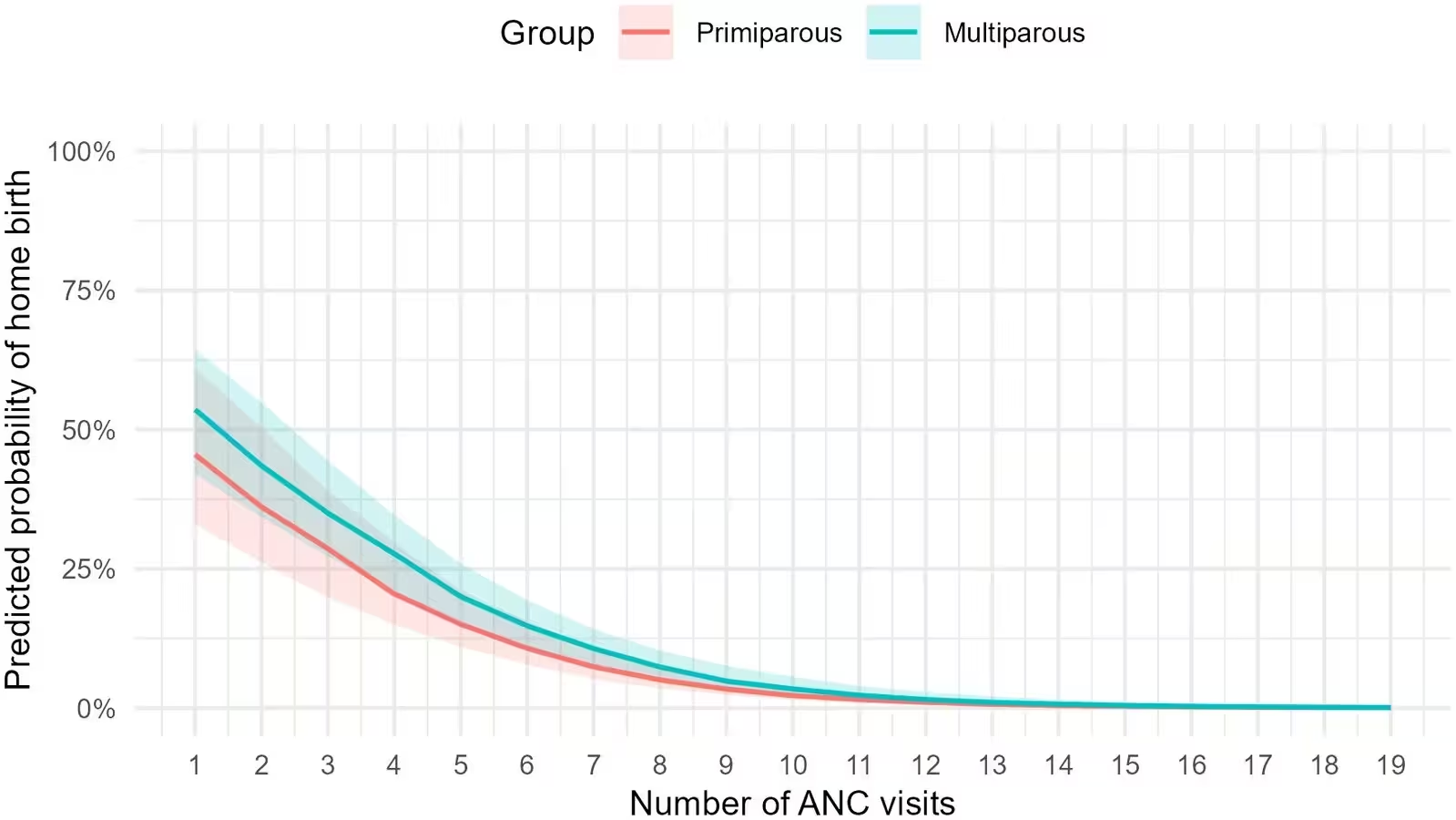
Out of nearly sixteen hundred registered participants, exactly 183 women, representing 11.5 percent, delivered their babies at home. Statistical modeling revealed that routine antenatal care visits served as the strongest modifiable predictor of delivery location. Each additional clinic visit was associated with a 34 percent reduction in the odds of homebirth. Women who attended only a single clinic appointment faced a predicted homebirth probability exceeding 40 percent, whereas those who completed eight visits saw that risk drop to just 8 percent.
The analysis also highlighted demographic variations in delivery location. First-time mothers exhibited lower odds of homebirth compared to multiparous women who had given birth previously. Furthermore, among mothers with prior children, those who had previously undergone a caesarean delivery were significantly less likely to deliver at home, pointing to heightened risk awareness among women with complicated obstetric histories.
Why Do Mothers Give Birth Outside of Medical Facilities Despite Preferring Clinics?
When surveyed about their attitudes, roughly 70 percent of participants who experienced a homebirth explicitly stated that they preferred delivering in a clinic or hospital. However, harsh logistical realities frequently derailed their birth plans. Rapid onset of labor, extreme geographical distance, and a complete lack of available transportation prevented mothers from reaching medical centers in time.
Financial constraints compounded these logistical hurdles. While emergency ambulance services are freely available to Thai nationals, uninsured migrant workers must pay steep out-of-pocket fees ranging from 500 to 1,000 Thai baht, roughly equivalent to 15 to 30 US dollars. For undocumented laborers earning well below the legal minimum wage, this single expense can consume an entire month of household income.
What Role Do Employers and Security Checkpoints Play in Homebirths?
Fear of legal repercussions and border security also restricted movement during critical moments. More than 60 percent of survey respondents reported worrying about police checkpoints situated between their homes and medical facilities. Although checkpoints generally permit laboring women to pass, families feared that male partners or community volunteers accompanying them would face detention or arrest upon returning.
Employment obligations created unexpected paradoxes for expectant mothers. Among 31 surveyed women who had an employer, nearly three-quarters expected their boss to assist with transport if labor began. In reality, none of the employers provided help at the critical hour. One participant recounted how her boss refused to transport her because he needed to rush a harvest of chili peppers to market before they rotted, noting that all workers depended on the income.
What Are the Consequences and Potential Solutions for Migrant Maternal Health?
The study underscored severe secondary impacts associated with unassisted home deliveries, most notably the high risk of infant statelessness. Approximately 90 percent of survey participants identified the inability to secure an official birth certificate as a major consequence, which subsequently limits access to education, healthcare, and freedom of movement.
Study authors emphasized that expanding outreach clinics and strengthening birth-preparedness counseling can substantially reduce homebirth rates, as evidenced by a decline from roughly 2 in 10 to 1 in 10 over the course of the initiative. Researchers recommend that healthcare providers proactively address transportation contingencies, financial planning, and recognition of early labor signs during routine antenatal checkups to support vulnerable migrant families.
The research was published in PLOS global public health on November 24, 2026.
This article has been fact checked for accuracy, with information verified against reputable sources. Learn more about us and our editorial process.
Last reviewed on .
Article history
- Latest version
Reference(s)
- Gilder, Mary Ellen., et al. ““The boss took the chilies not me”, Homebirth in undocumented Myanmar migrant women: A mixed methods study of Strengthening Migrant Access to Reproductive Healthcare in Thailand (SMARH-T) initiative.” PLOS Global Public Health, vol. 6, no. 11, November 24, 2026, pp. e0006255 Public Library of Science (PLoS), doi: 10.1371/journal.pgph.0006255. <https://doi.org/10.1371/journal.pgph.0006255>.
Cite this page:
- Posted by Sana Malik