Tight Hip Muscles Linked to Poorer Balance and Cautious Walking in Older Adults
A new study reveals that older individuals with restricted hip flexibility generate higher braking forces and display distinct stability adjustments while walking.
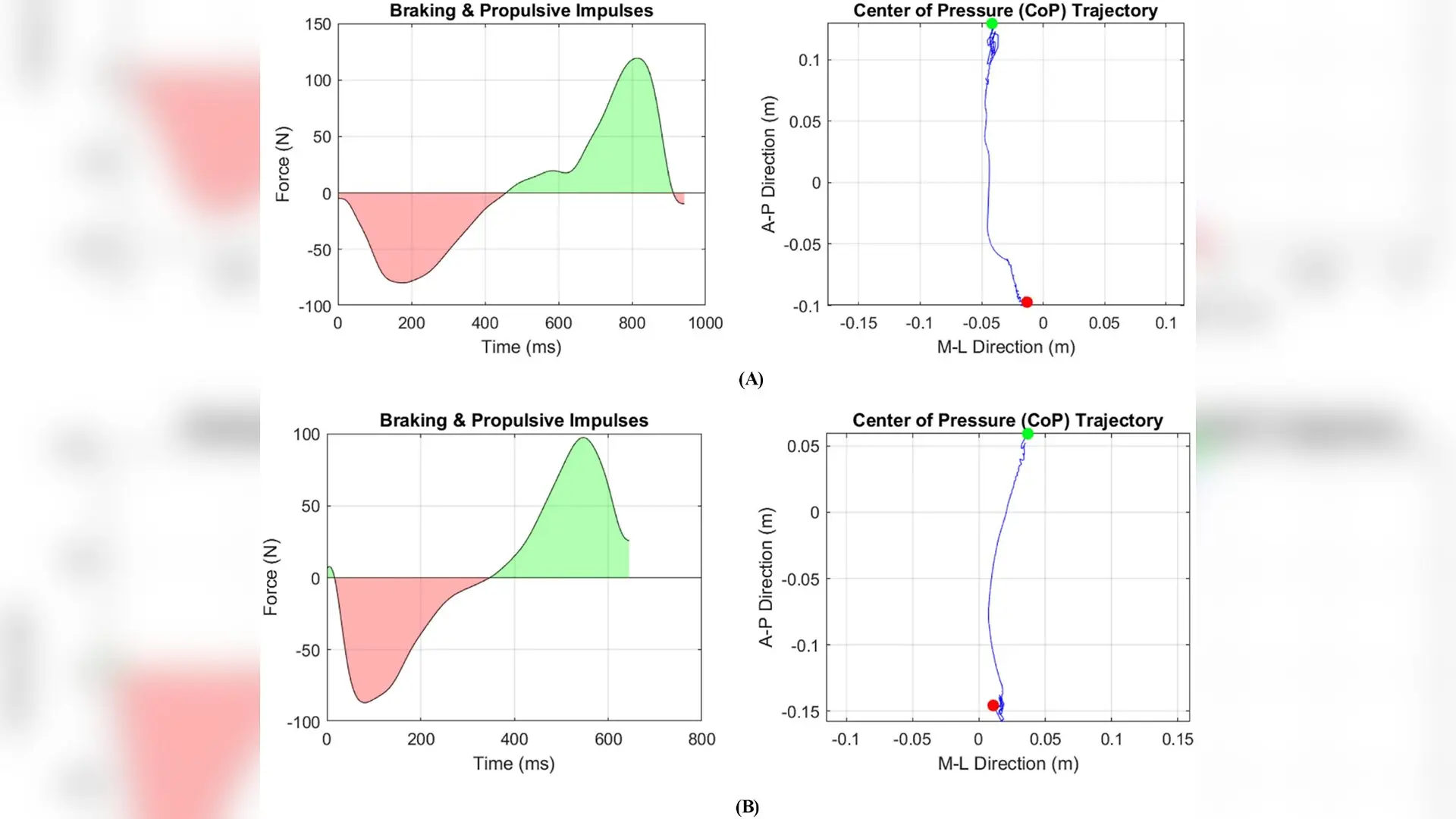
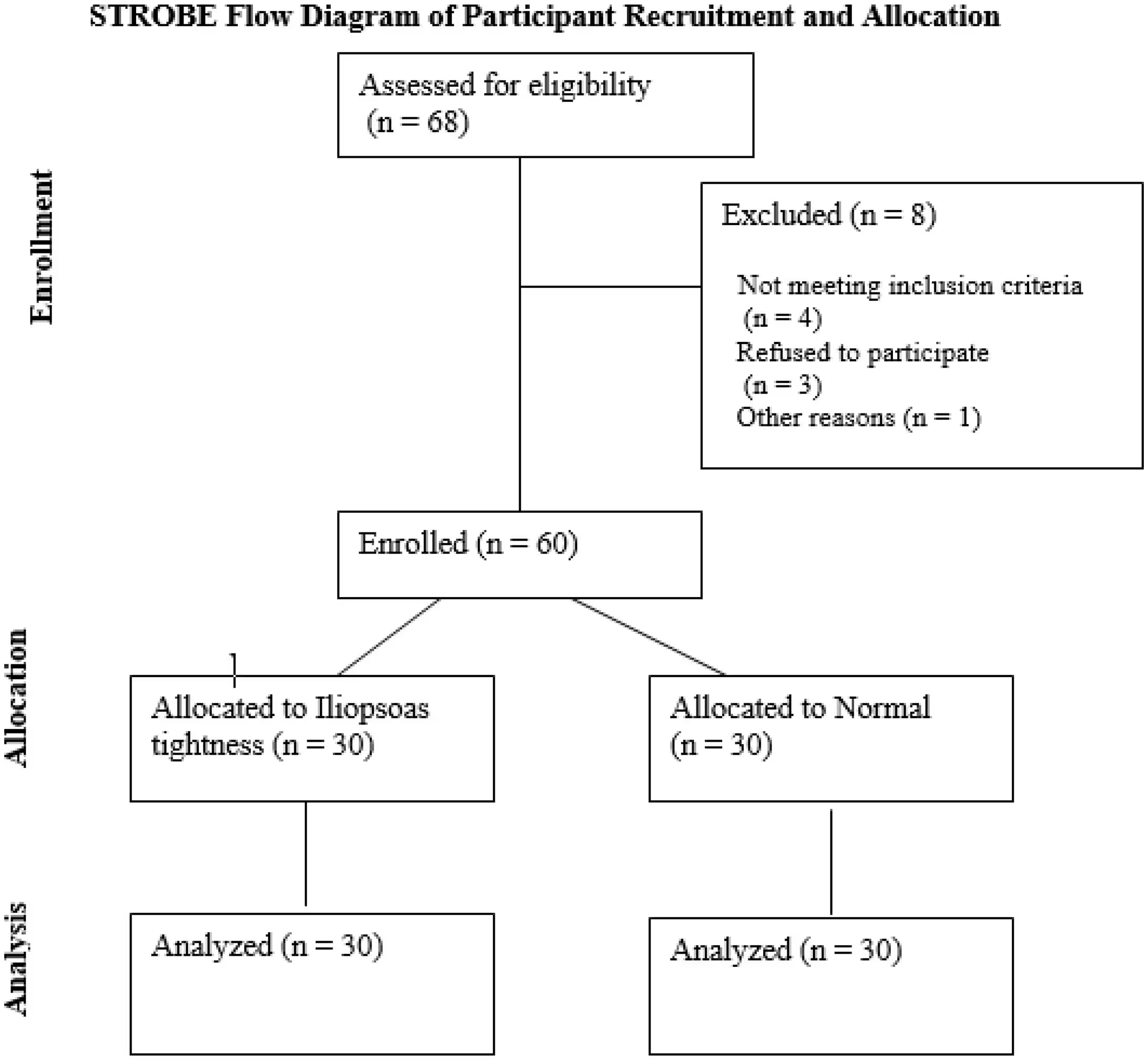
A tight muscle deep in the hip may quietly undermine a person’s physical stability as they age, according to new research examining how older adults walk and balance. The cross-sectional exploratory study evaluated 60 community-dwelling adults aged 65 to 75 years, dividing them into groups based on whether they had restricted flexibility in their hip flexor muscles.
Older adults with tight hip flexors scored significantly lower on clinical balance assessments and displayed a more cautious walking pattern compared to their peers with normal flexibility. The researchers noted that these physical differences could help explain why some older individuals face a higher risk of balance loss and falls.
How Does Restricted Hip Flexibility Change Walking Mechanics?
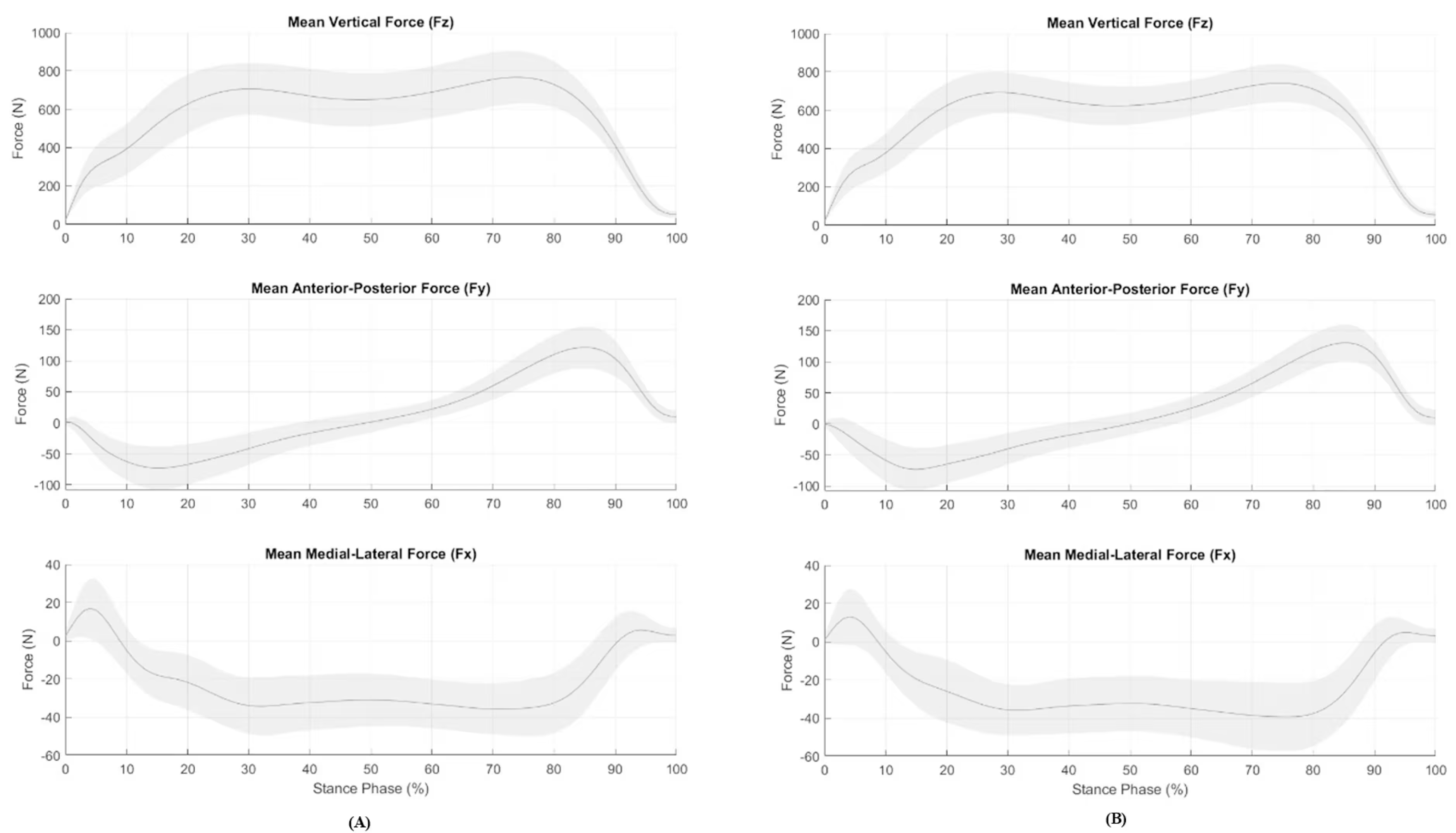
To understand the mechanical impact of tight hip muscles, the research team evaluated participants using force plates embedded in a walking path. The study, published in PLOS One by Farhad Rezazadeh and colleagues from the University of Mohaghegh Ardabili alongside international collaborators, recorded ground reaction forces and center-of-pressure movements as participants walked at a self-selected, comfortable speed.
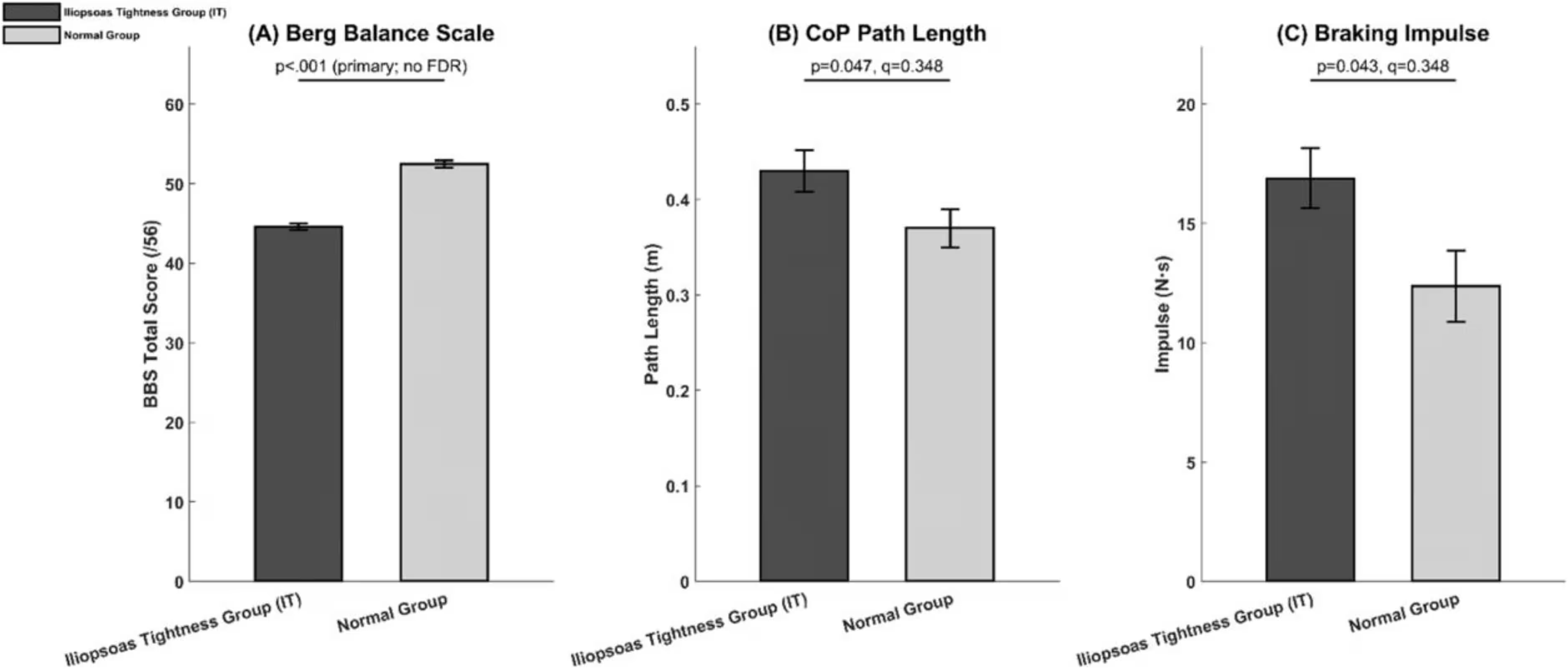
The findings showed that participants with iliopsoas tightness exhibited a center-of-pressure path length averaging 0.43 meters, compared to 0.37 meters in the normal flexibility group. They also generated a larger anterior-posterior braking impulse of 16.89 Newton-seconds, compared to 12.37 Newton-seconds for those with normal flexibility. These measurements indicate that individuals with tight hip flexors put the brakes on harder with each step and make more corrective adjustments to stay balanced.
What Did Clinical Balance Scores Reveal About Fall Risk?
Functional balance was evaluated using the Berg Balance Scale, a standard 14-item clinical test where higher scores reflect better stability. Participants in the tight hip group scored an average of 44.57 out of 56 points, whereas the normal flexibility group averaged 52.47 points. This difference of nearly 8 points places the restricted flexibility group near established thresholds associated with elevated fall risk.
The authors suggest that limited extension in the hip joint during the final phase of walking prevents a normal stride length and forces the pelvis to move in compensatory ways. This restriction makes tasks that require weight shifting, turning, and standing on one leg notably more difficult.
Why Do These Biomechanical Differences Require Cautious Interpretation?
While the initial statistical comparisons showed significant differences in braking force and balance scores, the researchers applied a Benjamini-Hochberg false discovery rate correction across multiple secondary biomechanical outcomes. Following this adjustment for multiple testing, the individual secondary kinetic differences were no longer statistically significant.
The authors emphasize that the study was exploratory and cross-sectional, meaning it cannot prove a direct cause-and-effect relationship between tight hip flexors and walking impairments. Factors such as walking speed, muscle activation patterns, and joint kinematics warrant deeper investigation using motion capture systems and larger, more diverse participant groups.
What Steps Can Older Adults Take to Improve Mobility?
Identifying modifiable physical restrictions provides a practical target for physical therapy and geriatric rehabilitation. Previous clinical trials suggest that supervised stretching programs can increase peak hip extension and stride length in older adults, potentially reducing excessive braking forces during locomotion.
Combining targeted hip-flexor stretching with balance training and propulsion-focused exercises may offer an effective strategy to support independent mobility. Healthcare providers conducting fall-risk assessments may also benefit from screening older patients for hip flexibility restrictions during routine checkups.
The research was published in PLOS One on November 25, 2026.
This article has been fact checked for accuracy, with information verified against reputable sources. Learn more about us and our editorial process.
Last reviewed on .
Article history
- Latest version
Reference(s)
- Rezazadeh, Farhad., et al. “Clinical balance deficits and gait alterations associated with Iliopsoas tightness in community-dwelling older adults: A cross-sectional study.” PLOS One, vol. 21, no. 11, November 25, 2026, pp. e0357513 Public Library of Science (PLoS), doi: 10.1371/journal.pone.0357513. <https://doi.org/10.1371/journal.pone.0357513>.
Cite this page:
- Posted by Tariq Hassan