Crowded Living Conditions Nearly Triple Pre-XDR-TB Risk
A multicenter study in Ethiopia reveals that over 70 percent of pre-XDR-TB patients are male, with agricultural and daily labor workers facing the highest vulnerability.
Living or working in crowded environments nearly triples the odds of developing pre-extensively drug-resistant tuberculosis, according to a recent retrospective analysis of patient records across treatment centers in Central and Eastern Oromia, Ethiopia. The study examined hundreds of medical records to uncover the hidden drivers of advanced drug-resistant tuberculosis in a region working to control the ongoing threat of multidrug-resistant infections.
What is Pre-Extensively Drug-Resistant Tuberculosis?
Drug-resistant tuberculosis remains a severe public health challenge worldwide, with hundreds of thousands of new cases emerging annually. A particularly dangerous subset is pre-extensively drug-resistant tuberculosis, known as pre-XDR-TB, which occurs when multidrug-resistant or rifampicin-resistant tuberculosis bacteria also show resistance to any fluoroquinolone antibiotic. Because fluoroquinolones serve as a core treatment backbone for drug-resistant strains, losing their effectiveness severely limits treatment options and worsens patient outcomes.
To better understand how this dangerous drug resistance spreads and who is most vulnerable, researchers conducted a facility-based cross-sectional study across seven designated treatment initiation centers in Central and Eastern Oromia. The findings are published in PLOS One. The investigation analyzed records spanning a multi-year period up to December 2025, capturing detailed sociodemographic, clinical, and laboratory data from confirmed patients.
Who is Most Affected by Pre-XDR-TB?
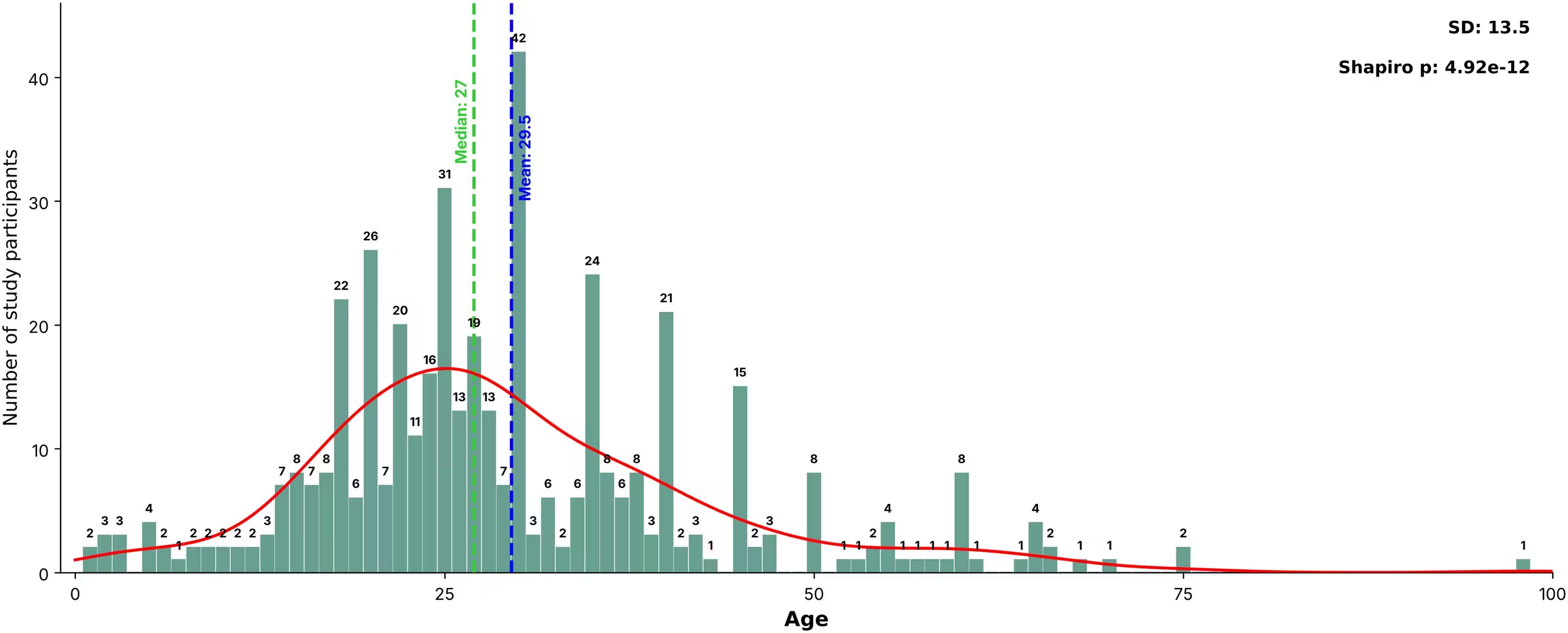
Out of 445 analyzed patient records, the researchers determined a pre-XDR-TB prevalence of 4.71 percent among multidrug-resistant tuberculosis patients. The data revealed a striking demographic pattern among those affected by the resistant strain. The majority of pre-XDR-TB patients were male, representing more than 71 percent of cases, and many were young adults with a median age in their late twenties.
Socioeconomic vulnerabilities were also widespread among the cohort. Nearly half of the pre-XDR-TB patients were farmers, and more than a quarter worked as daily laborers. Furthermore, over 80 percent of these patients had either a primary-level education or no formal education at all. A substantial majority reported earning low monthly incomes and living more than ten kilometers away from the nearest health facility, pointing toward significant geographic and financial barriers to timely care.
What Drives the Spread of Resistant Strains?
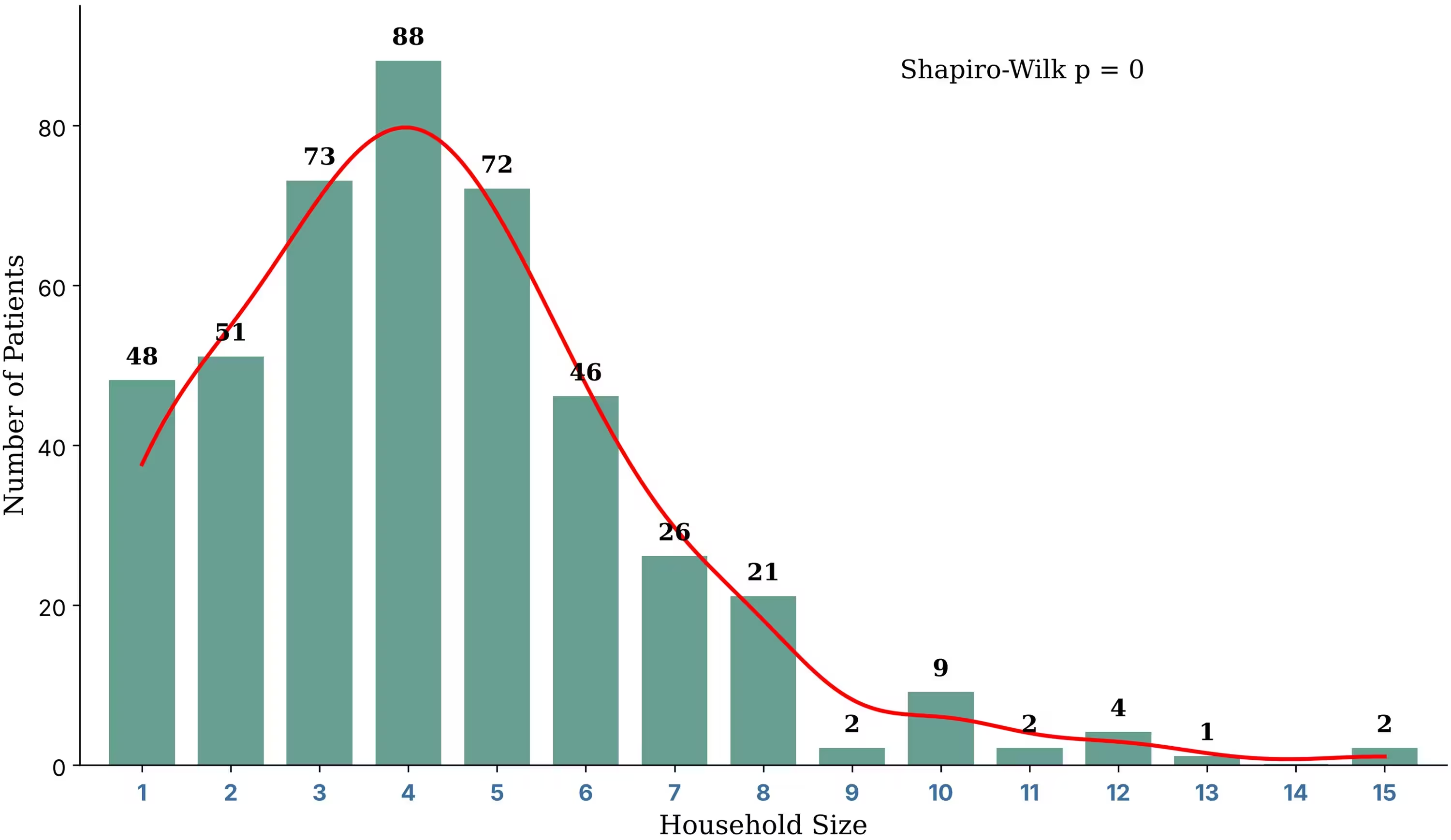
When the researchers performed multivariable logistic regression analysis to identify independent risk factors, living or working in crowded conditions emerged as the sole statistically significant predictor. Participants who faced regular crowding in their daily lives had 2.68 times higher odds of developing pre-XDR-TB compared to those who did not. Other evaluated variables, such as age, sex, treatment delay, and history of imprisonment, did not show a statistically significant association in the adjusted model.
The authors note that the study relied on secondary data extracted from routine medical records, which introduces certain limitations such as potential gaps in documentation and an inability to establish direct cause-and-effect relationships. Despite these constraints, the work provides crucial multicenter evidence from a heavily populated region of Ethiopia.
Where Does Tuberculosis Treatment Go From Here?
The findings emphasize the urgent need for universal second-line drug susceptibility testing upon initial diagnosis rather than waiting for clinical deterioration. By identifying fluoroquinolone resistance early, healthcare providers can prevent the further amplification of drug resistance. Additionally, the authors recommend implementing decentralized care models and occupational health screening programs tailored to agricultural and high-density labor settings to protect vulnerable populations.
The research was published in PLOS One on November 20, 2026.
This article has been fact checked for accuracy, with information verified against reputable sources. Learn more about us and our editorial process.
Last reviewed on .
Article history
- Latest version
Reference(s)
- Ali, Jemal Hassen., et al. “Sociodemographic characteristics of pre-XDR-TB among patients with MDR/RR-TB in Central and Eastern Oromia, Ethiopia.” PLOS One, vol. 21, no. 11, November 20, 2026, pp. e0361756 Public Library of Science (PLoS), doi: 10.1371/journal.pone.0361756. <https://doi.org/10.1371/journal.pone.0361756>.
Cite this page:
- Posted by Sana Malik