Lebanese University Students Reveal High Infection Fears And Transit Safety Demands
Survey of 659 student commuters shows widespread anxiety over public transit health risks and strong support for vehicle disinfection.

University students who rely on public transportation in Lebanon face daily exposures to respiratory infections, with research showing that 71 percent of surveyed commuters regularly use crowded transit systems despite worrying about illness. Mahmoud Salam and colleagues at the Lebanese American University evaluated how 659 student commuters perceive the dangers of catching flu or coronavirus while riding shared taxis, buses, and vans across the country.
Respiratory infections spread easily through enclosed transit spaces, putting young adults at risk of missing classes and suffering academic setbacks. Health experts use psychological frameworks like the Health Belief Model, a system that measures how personal perceptions of severity and vulnerability drive protective health actions, to understand commuter behavior. While millions of people depend on public vehicles for daily commutes, dense passenger seating and poor cabin ventilation create ideal conditions for airborne viruses to circulate.
Why Do Vans And Buses Cause So Much Anxiety?
When researchers evaluated student responses gathered in April 2025, they found distinct fears tied to specific types of vehicles. About 55 percent of participants identified packed minivans as the most hazardous environment for catching illnesses, followed by 33 percent pointing to buses and 12 percent naming taxis. These regional transit networks often lack adequate airflow, leaving passengers breathing stagnant air alongside dozens of other commuters during long rides to campus.
The study, published in PLoS One, highlights how economic constraints force many students to use public transit even when they harbor serious health concerns. Most riders reported average or limited financial means, preventing them from purchasing private cars or utilizing alternative commuting options. Consequently, student passengers find themselves trapped between the necessity of education and the reality of potential contagion.
What Stops Students From Wearing Masks And Sanitizing?
Although safety guidelines recommend masks and hand hygiene, compliance among daily commuters remains strikingly low. Only 15 percent of students reported usually wearing face masks during their trips, and many cited social pressure or physical discomfort as major obstacles. Roughly 28 percent of respondents complained that masks felt suffocating or annoying, while others worried that wearing protection would make them look sick or overly anxious to fellow passengers.
Negative social norms create a powerful deterrent against preventative habits in public spaces. Students noted that seeing others abandon masks makes individual compliance feel awkward or unusual. Furthermore, logistical hurdles like missing hand sanitizer dispensers inside vehicles and infrequent cleaning routines exacerbate the risk of indirect virus transmission through contaminated surfaces.
How Do Student Preferences Shape The Future Of Transit Safety?
Despite low personal mask usage, students expressed overwhelming support for structural safety measures driven by transit operators. An impressive 86 percent of participants preferred that drivers regularly disinfect their vehicles, and 81 percent wanted drivers to receive annual flu and COVID-19 vaccinations. Additionally, nearly 80 percent favored installing protective plastic shields inside passenger cabins to separate drivers from commuters.
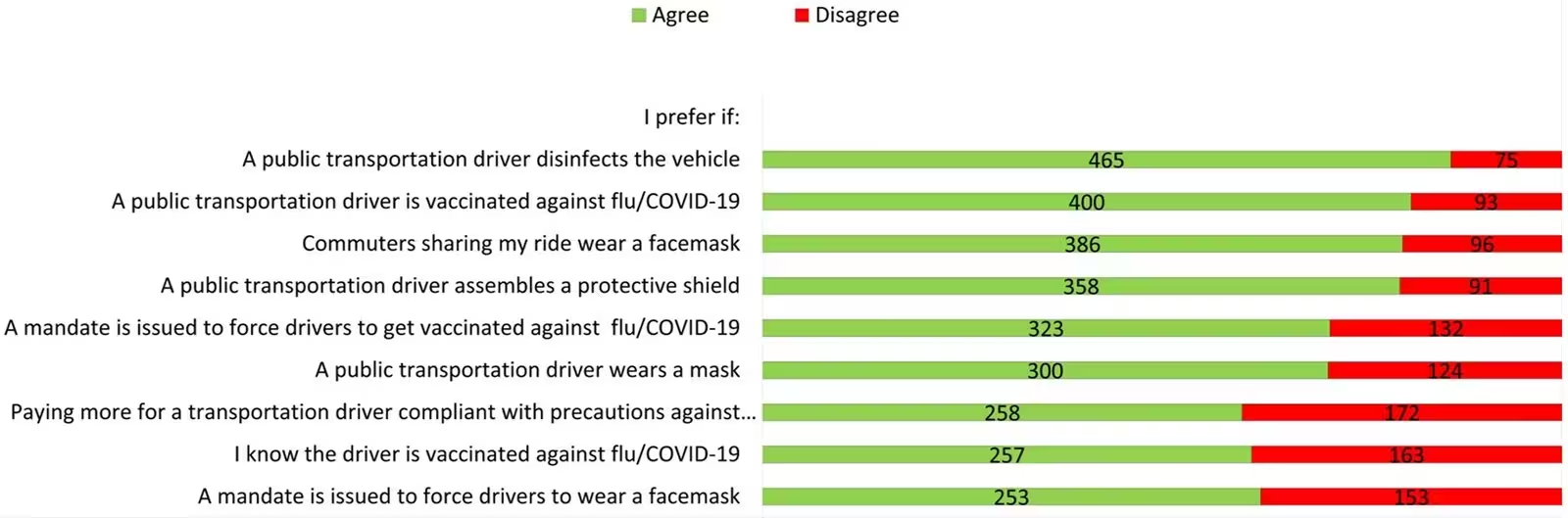
Many students also demonstrated a willingness to invest financially in safer travel conditions. About 60 percent reported being ready to pay higher fares for public transit drivers who strictly adhere to health precautions. These findings suggest that passenger satisfaction relies heavily on operator accountability rather than placing the entire protective burden solely on individual riders.
Who Worries Most About Catching Respiratory Infections?
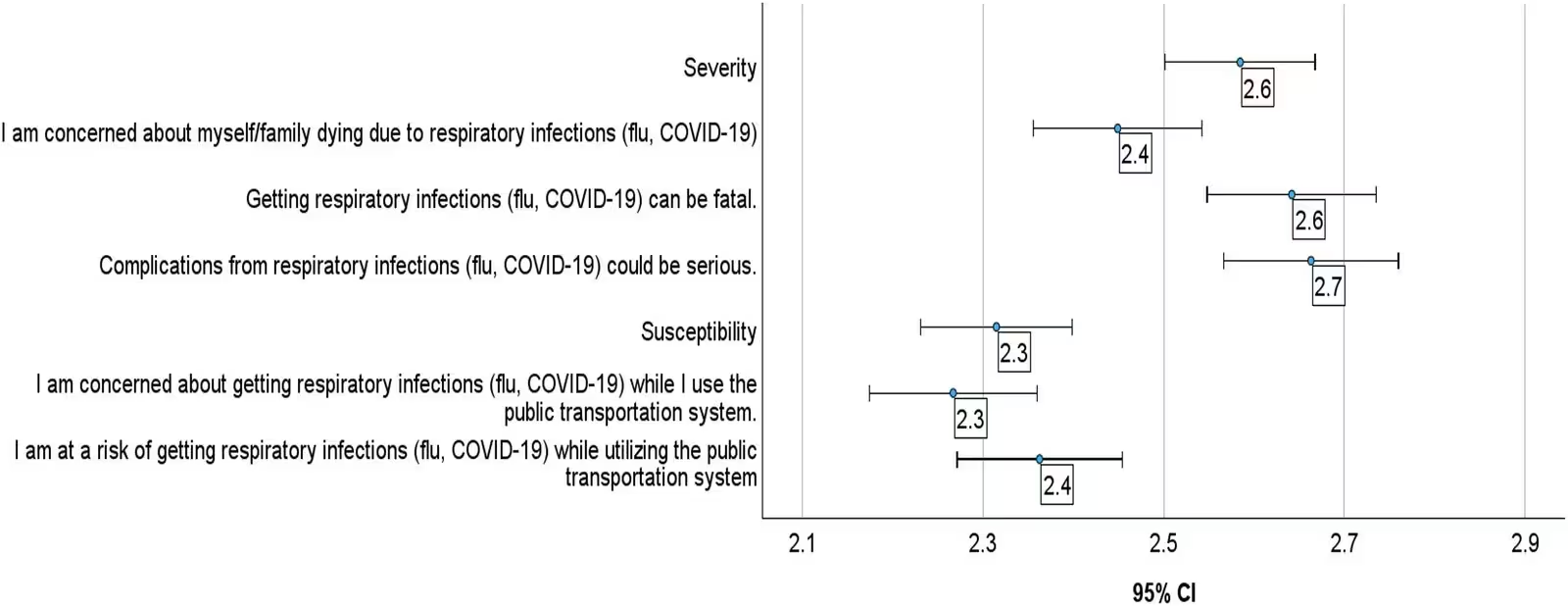
Statistical analyses revealed that risk awareness varies significantly across different demographics within the university population. Female students consistently reported higher perceived severity and susceptibility scores regarding respiratory illnesses compared to male peers. Students enrolled in health-related majors, such as medicine and nursing, also demonstrated elevated awareness, likely due to their academic exposure to disease transmission dynamics.
Interestingly, prior vaccination history did not correlate with lower risk concerns, as many students misunderstood the limits of immunization against airborne transmission. The authors note that targeted educational campaigns and transparent transit regulations could bridge this knowledge gap. Implementing driver mandates and improving cabin hygiene may ultimately transform public transit into a safer environment for thousands of academic commuters.
The research was published in PloS one on November 25, 2026.
This article has been fact checked for accuracy, with information verified against reputable sources. Learn more about us and our editorial process.
Last reviewed on .
Article history
- Latest version
Reference(s)
- Salam, Mahmoud., et al. “Risk perceptions of respiratory infectious diseases among university students utilizing the public transportation system in Lebanon.” PLOS One, vol. 21, no. 11, November 25, 2026, pp. e0363130 Public Library of Science (PLoS), doi: 10.1371/journal.pone.0363130. <https://doi.org/10.1371/journal.pone.0363130>.
Cite this page:
- Posted by Tariq Hassan