Mature Litchi Shoots Trigger Abundant Flowering Through Sugar Accumulation And Hormone Shifts
Researchers discover how leaf maturity and winter chilling regulate key genes to solve litchi’s major fruit production challenge.
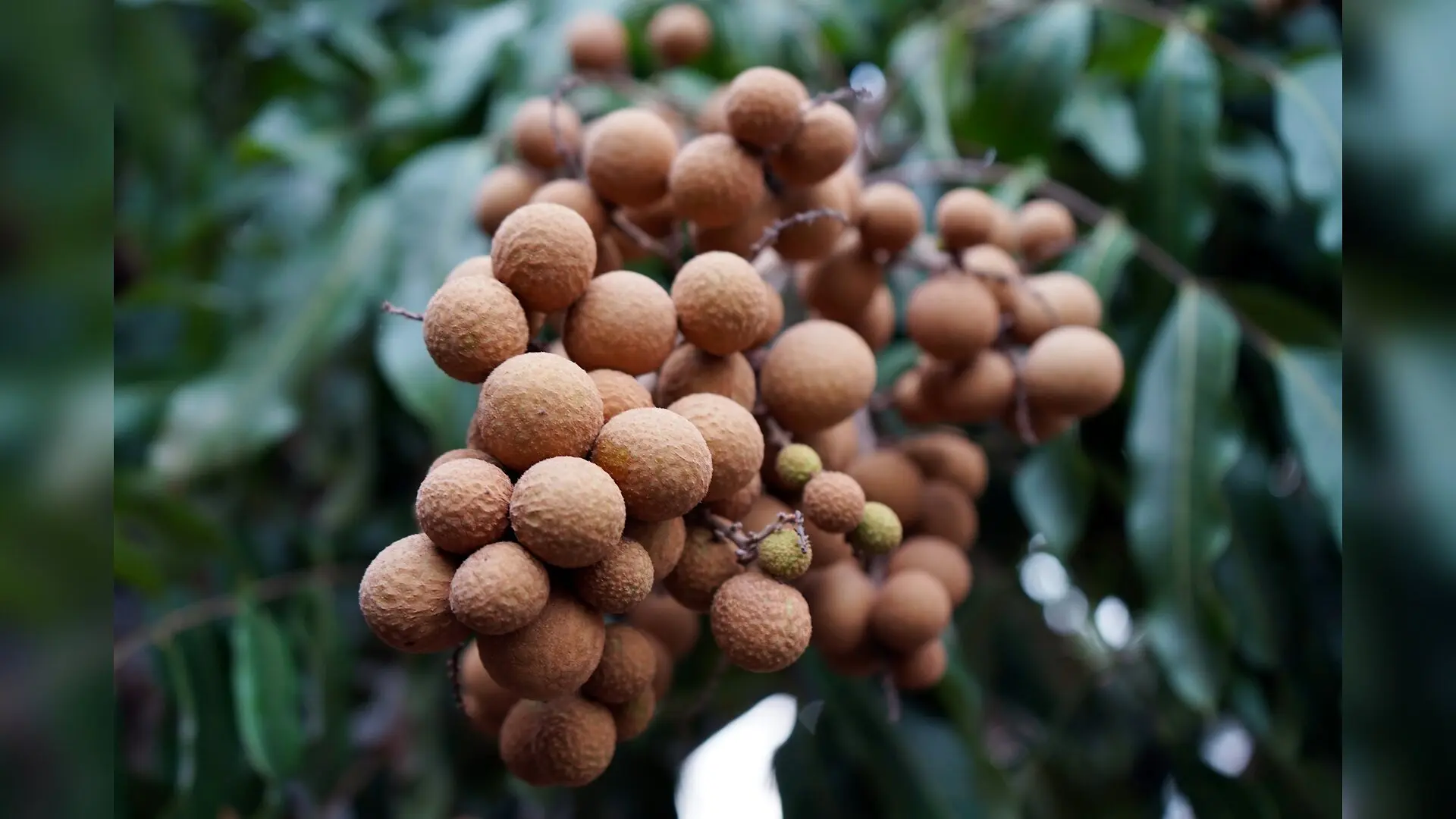
Litchi growers have long battled an unpredictable cycle of fruit production where trees fail to flower reliably every year, but new research reveals that the secret to getting a bountiful harvest lies entirely in the maturity of the plant’s final shoots before winter arrives. When terminal autumn shoots reach full maturity before the cold weather sets in, they build up a specific reserve of nutrients and shift their internal chemistry in a way that triggers flower development.
How Does Shoot Maturity Control Whether a Tree Flowers or Stays Green?
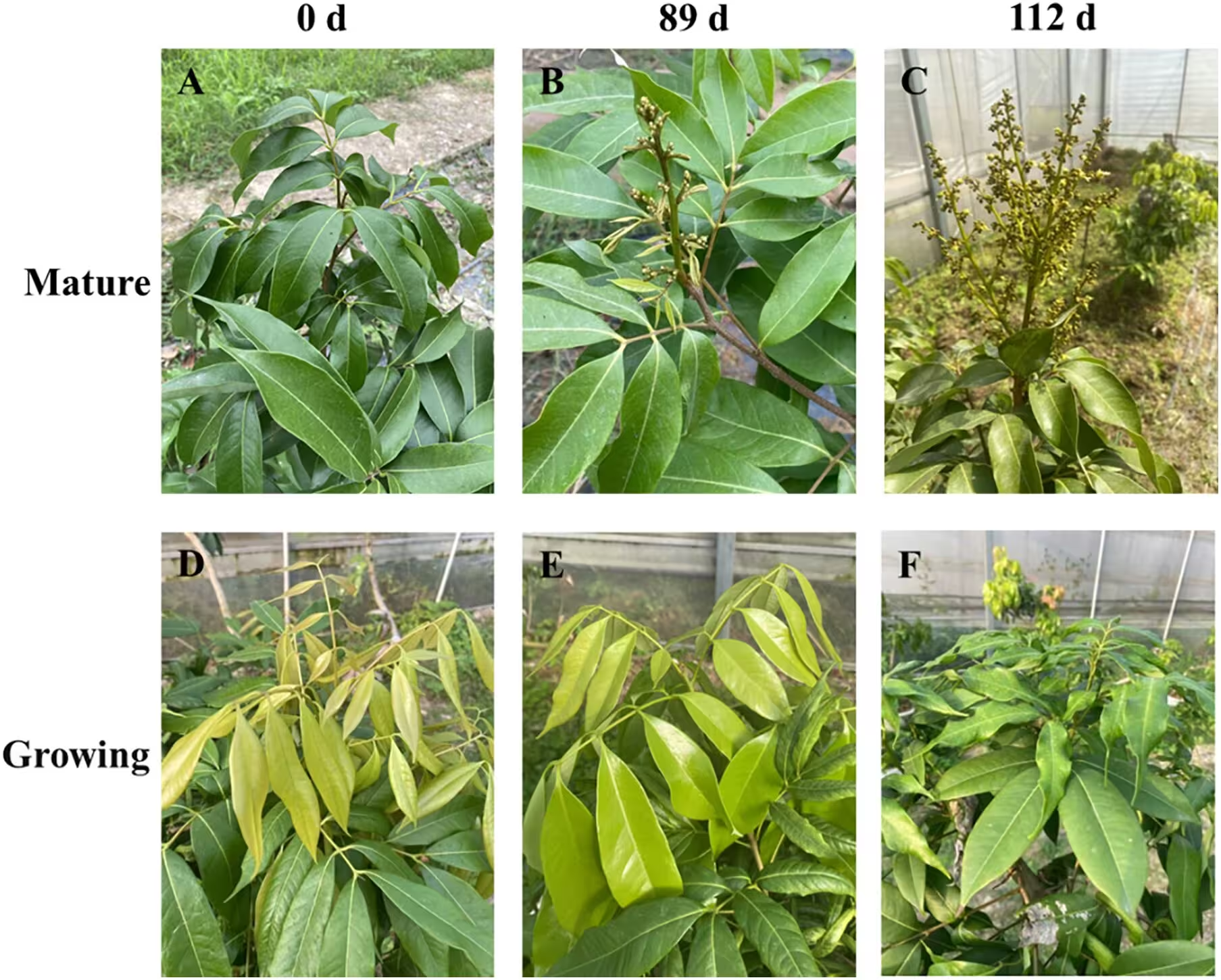
To uncover the exact physiological steps behind this process, researchers examined three-year-old air-layered litchi trees of the ‘Feizixiao’ cultivar grown under protective cultivation. The scientific team, led by Qiusheng Xiao and colleagues at Yichun University, tracked two distinct groups of terminal shoots during the 2020 through 2021 winter season. One group consisted of mature shoots featuring dark green, leathery leaves with high chlorophyll indicators, while the other group consisted of growing, immature shoots with soft, light green leaves. The team monitored carbohydrate levels, hormone concentrations, and gene activity at regular intervals from the start of low-temperature treatments down to the emergence of visible white inflorescence primordia, known as the whitish millet stage. The detailed results from this investigation were published in PLOS One, outlining how physical maturation sets the stage for reproductive success.
Why Do Mature Leaves Accumulate More Sugars and Starch Than Growing Shoots?
The study found that mature shoots possessed significantly higher concentrations of soluble sugars and starch compared to their immature counterparts. As winter low temperatures began, mature leaves maintained elevated carbohydrate reserves that translated into a high carbon-to-nitrogen ratio. In contrast, growing shoots retained high total nitrogen levels and a low carbon-to-nitrogen ratio, which favored continued vegetative growth instead of reproductive transition. This nutrient accumulation provides the essential energetic foundation required for flower bud differentiation, proving that photosynthesis in fully expanded leaves directly fuels the upcoming harvest.
What Role Do Abscisic Acid and Gibberellin Play in Floral Induction?
Hormonal profiling revealed a distinct chemical shift between the two shoot types during cold exposure. Mature leaves exhibited high levels of abscisic acid, a hormone often associated with stress responses and growth regulation, which rose steadily over sixty days. At the same time, mature leaves suppressed gibberellin A3, a growth-promoting hormone that acts as a floral inhibitor in many woody fruit trees. Immature shoots showed the exact opposite pattern with high gibberellin levels and low abscisic acid. This demonstrates that a high abscisic acid to gibberellin ratio is a strict physiological prerequisite for litchi trees to transition from making leaves to making flowers.
Which Genetic Switches Drive the Litchi Flowering Process?
At the molecular level, this physiological foundation activated specific genes responsible for floral development. In mature shoots, the expression of key floral promoters such as LcFT1 and LcSPL1 increased significantly in both leaves and apical buds as winter progressed. Meanwhile, the expression of the floral repressor gene LcTFL1 remained low in mature shoots but stayed consistently high in growing shoots. This coordinated network ensures that mature shoots successfully form panicles while immature shoots remain trapped in a vegetative cycle, explaining why late flushes ruin commercial yields.
What Are the Limitations and Future Directions of This Discovery?
The authors note that this investigation was conducted using a single cultivar and a single growing season, meaning the quantitative thresholds identified may vary across different regional climates and management practices. Additionally, the study relied on macroscopic indicators such as the whitish millet stage rather than microscopic cell histology to mark the exact moment of floral transition. Future research involving multiple varieties and cellular microscopy will help confirm whether this regulatory framework applies universally across all litchi orchards.
The research was published in PLOS One on November 23, 2026.
This article has been fact checked for accuracy, with information verified against reputable sources. Learn more about us and our editorial process.
Last reviewed on .
Article history
- Latest version
Reference(s)
- Xiao, Qiusheng., et al. “Terminal shoot maturity orchestrates Carbon–Nitrogen balance and hormonal signaling to regulate floral induction in litchi (Litchi chinensis Sonn.).” PLOS One, vol. 21, no. 11, November 23, 2026, pp. e0363349 Public Library of Science (PLoS), doi: 10.1371/journal.pone.0363349. <https://doi.org/10.1371/journal.pone.0363349>.
Cite this page:
- Posted by Bilal Abbasi