Plant Protein Inhibitory Data Corrected After Spreadsheet Transcription Mix-Up
Researchers clarify that lower, more potent antimicrobial values in laboratory tables are correct despite an accidental graph error
A plant protein derived from lupine seeds shows antimicrobial properties against stubborn bacterial strains, according to an update issued by the original study authors. The correction addresses an accidental transcription mix-up in a scientific graphic, while confirming that the underlying laboratory measurements remain entirely valid.
How Did A Simple Spreadsheet Transcription Mistake Happen?
The update, published in Frontiers in Microbiology, centers on precision measurements involving a modified legume protein called methylated lupine 11S globulin, or M11S for short. Researchers led by botanists and microbiologists including G. Enan from Zagazig University originally set out to test how effectively these plant-based compounds could inhibit the growth of various disease-causing microbes. During the preparation of a visual chart, a human clerical error caused certain data points to mismatch the written records. Specifically, the visual graph for a bacterium known as Proteus mirabilis, which frequently causes urinary tract infections, accidentally displayed an inhibitory concentration value of roughly one microgram per milliliter instead of the true value of 0.3 micrograms per milliliter.
A similar transcription slip occurred for Pseudomonas aeruginosa, an opportunistic bacterium notorious for hospital-acquired infections, where the visual display showed two micrograms per milliliter instead of the accurate laboratory measurement of 0.5 micrograms per milliliter. The authors clarified that these elevated numbers were strictly confined to the graphical presentation in Figure 3. The data tables and the primary laboratory notebooks consistently maintained the correct, lower figures. Because lower concentrations required to stop bacterial growth indicate a more potent antimicrobial agent, the correct numbers actually reflect a more favorable performance for the plant protein than the erroneous graph suggested.
What Explains The Confusing Image Mix-Up In Related Studies?
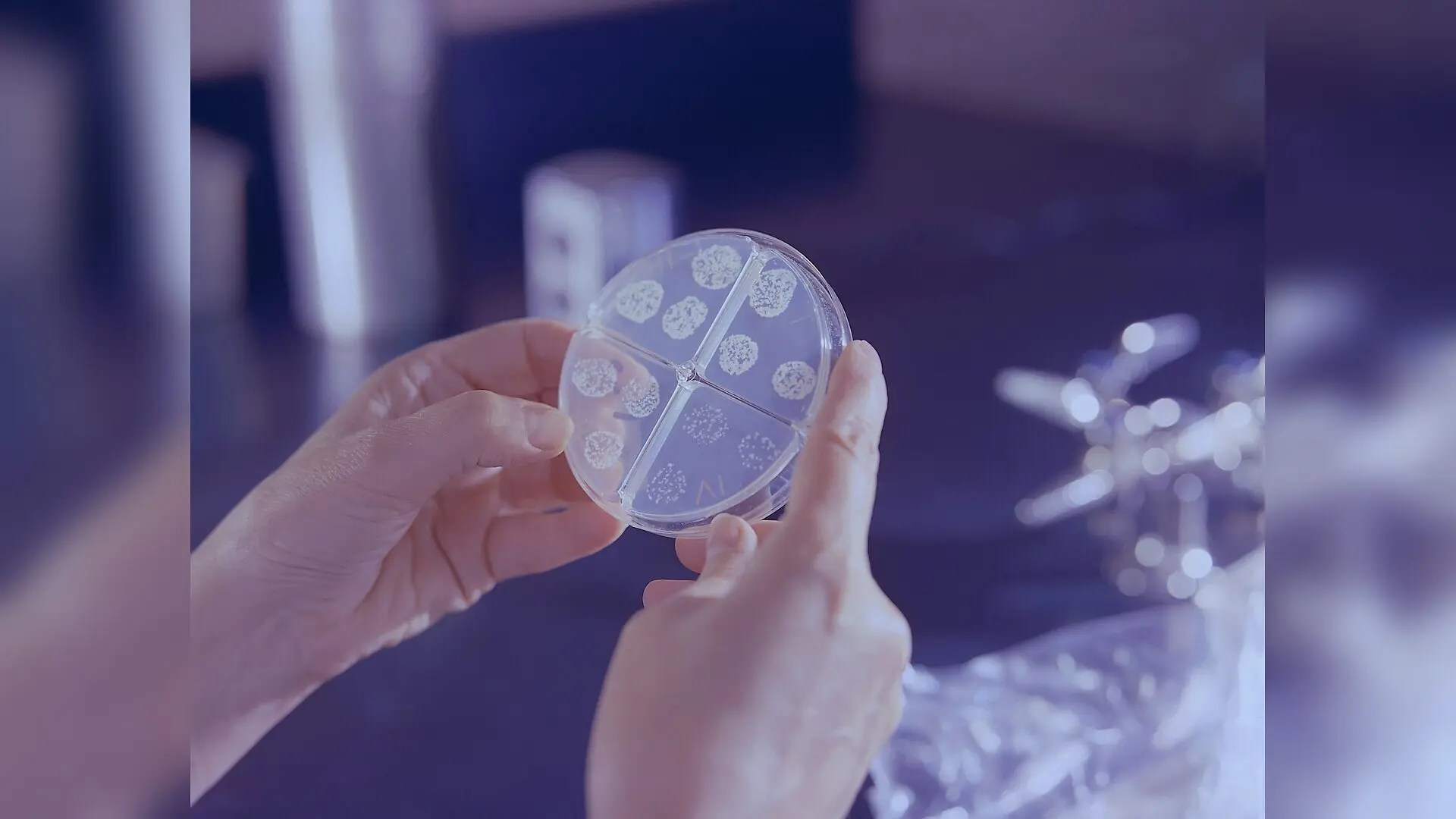
The correction also addresses a separate labeling discrepancy involving photographic evidence from diffusion assays, which are visual tests where a chemical diffuses across a nutrient gel to measure how far it can stop bacterial growth. An observant reader noticed that certain photographs representing Klebsiella oxytoca looked strikingly similar between two different papers published by overlapping research teams in different journals. The investigators explained that both manuscripts emerged from the exact same doctoral thesis project and relied on identical batches of purified 11S protein. During the final assembly of composite figures for a companion paper published in the journal Molecules, a layout editor accidentally swapped the labels between two treatments known as 11S and BS.
The authors emphasized that this layout swap was merely an administrative error during figure preparation rather than any intentional alteration of experimental results. The original agar plate photographs and quantitative assays remain robust. Because both studies utilized identical protein extractions and parallel testing protocols, the visual overlap simply reflected the common origin of the data rather than a flaw in the science itself. Independent scientific oversight, edited and reviewed by Jose Ramos-Vivas from the University of Oviedo, helped bring these administrative inconsistencies to light and prompted the prompt transparent correction.
What Do These Plant Proteins Mean For Future Therapeutics?
Lupine is a legume with seeds packed with complex storage proteins, and scientists have increasingly looked to these natural macromolecules for alternative treatments against drug-resistant microbes. In the broader evaluation, researchers compared the lupine proteins against established pharmaceutical standards, noting that traditional antibiotics such as chloramphenicol, ciprofloxacin, vancomycin, and gentamycin were tested side-by-side to benchmark effectiveness against pathogens like Listeria monocytogenes and Staphylococcus aureus. While plant-derived proteins still require extensive preclinical testing before they can be considered for clinical medicines, establishing their exact inhibitory thresholds is a crucial step in developing botanical antimicrobials. The authors hope that clarifying these minor graphical errors will reinforce confidence in the rigorous data supporting plant-based biochemistry.
The research was published in Frontiers in microbiology on November 26, 2026.
This article has been fact checked for accuracy, with information verified against reputable sources. Learn more about us and our editorial process.
Last reviewed on .
Article history
- Latest version
Cite this page:
- Posted by Priya Sharma