Bacteria Use A Quorum Sensing Circuit And Transporter To Survive 20 Millimolar Arsenic Stress, But Rely On Timing
Scientists discovered that restricting the entry of toxic phosphate mimics through a widely conserved transporter helps bacteria withstand heavy metal contamination.
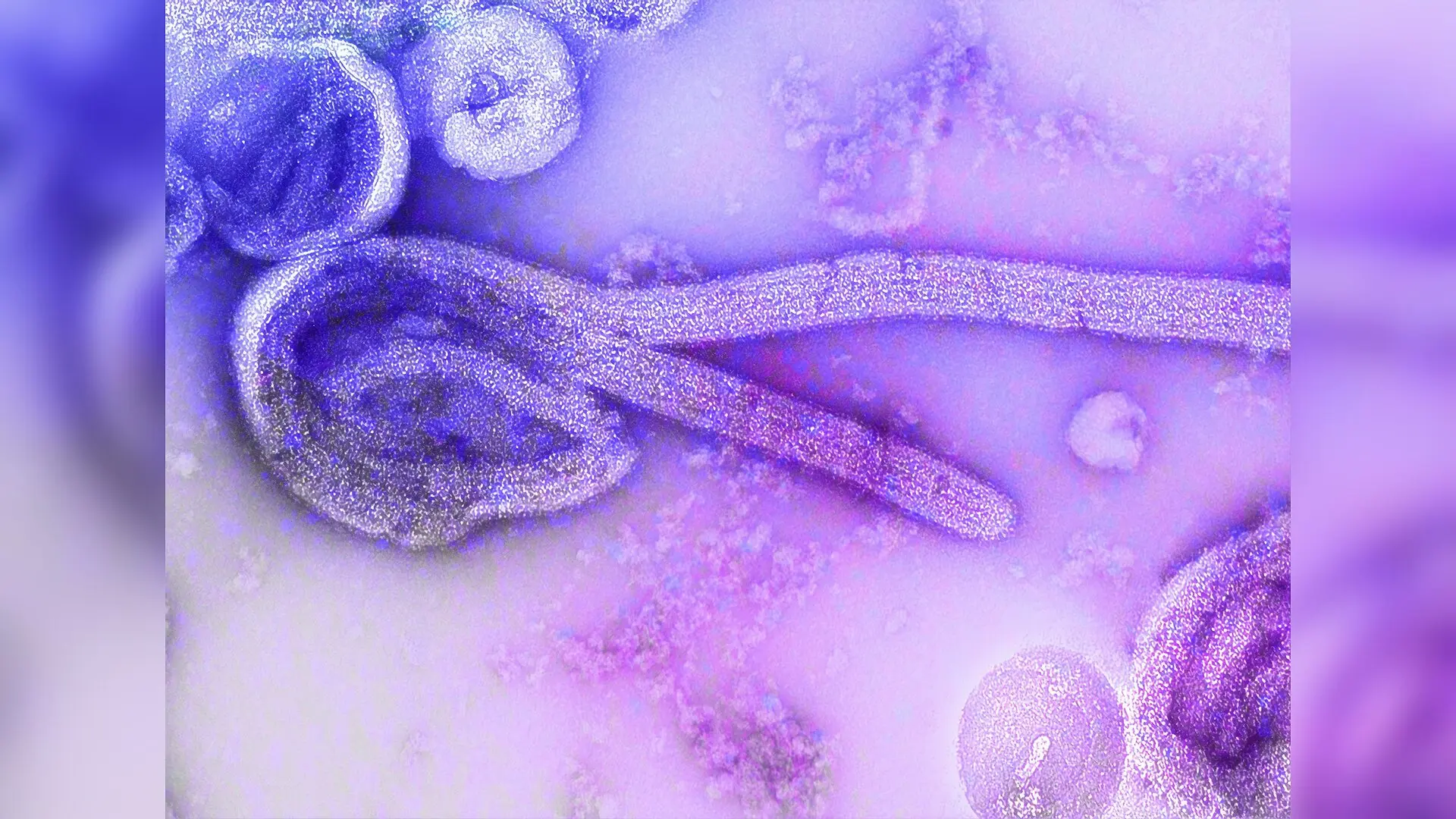
Researchers found that Vibrio cholerae bacteria rely on a specific transporter protein called GlpT to survive environmental arsenic stress, which could change how scientists view microbial survival strategies in contaminated waters. This discovery reveals how bacterial populations balance nutrient acquisition with toxin defense through coordinated gene regulation.
Quorum Sensing Controls Arsenate Tolerance
To uncover the genetic basis of arsenic resilience, the team performed a forward genetic screen using transposon sequencing under high concentrations of arsenate. This screen recovered mutations in several unexpected regulatory genes, including the quorum-sensing regulators RpoN and LuxO. Subsequent deletion mutants showed that altering these regulators significantly enhanced bacterial resistance to arsenic stress. The work is published in Science Advances. Further genetic analyses demonstrated that these regulators act through the master quorum-sensing regulator HapR to modulate stress responses.
Additional proteomic profiling identified the glycerol-3-phosphate transporter GlpT as a key target repressed by HapR. When the authors inactivated the glpT gene, bacterial cells accumulated roughly one hundred times less arsenic internally than wild-type strains. Overexpression experiments confirmed that this transporter facilitates the entry of arsenate into the cytoplasm, where it can disrupt core metabolic pathways by mimicking inorganic phosphate.
Metabolic Cues Shape Transporter Activity
The timing of gene repression is crucial because wild-type cells usually suffer growth impairment before quorum-sensing regulators can accumulate enough to shut down the transporter. When preferred carbon sources like glucose are available, carbon catabolite repression strongly reduces glpT expression independently of the quorum-sensing pathway. This dual control mechanism ensures that cells limit toxic influx when alternative nutrients are plentiful.
Phylogenetic analysis showed that GlpT homologs are widely distributed across diverse bacterial species, including pathogens such as Escherichia coli and Salmonella enterica. Overexpressing orthologs from these species in Vibrio cholerae consistently increased sensitivity to arsenate and structurally related antibiotics like fosfomycin. Conversely, mutating glpT across these organisms increased resistance, demonstrating a conserved role in environmental toxin uptake.
Balancing Nutrient Scavenging and Toxin Defense
The dual nature of GlpT creates an inherent physiological dilemma for microbes living in chemically complex habitats. While the transporter is essential for scavenging glycerol-3-phosphate as a carbon and energy source, its promiscuity exposes the cell to harmful phosphate analogs. Bacteria resolve this conflict by employing regulatory circuits that dynamically adjust transporter abundance according to population density and nutrient availability.
Although these findings clarify how specific pathogens survive heavy metal contamination, certain limitations remain regarding how these systems operate in natural multi-species biofilms. Future studies will need to explore whether similar regulatory networks govern metal resistance in other environmental settings. Understanding these mechanisms could eventually lead to targeted strategies for manipulating microbial communities during remediation or infection.
The research was published in Science advances on November 27, 2026.
This article has been fact checked for accuracy, with information verified against reputable sources. Learn more about us and our editorial process.
Last reviewed on .
Article history
- Latest version
Reference(s)
- Bueno, Emilio., et al. “Community and metabolic cues gate arsenate uptake via a promiscuous glycerol-3-phosphate transporter.” Science Advances, vol. 12, no. 48, November 27, 2026 American Association for the Advancement of Science (AAAS), doi: 10.1126/sciadv.aeg6278. <https://doi.org/10.1126/sciadv.aeg6278>.
Cite this page:
- Posted by Hassan Raza