Researchers Found Human Papillomavirus Drives Head and Neck Cancers, Yet Treatment Resistance Remains Unsolved
A comprehensive review of viral oncogenesis highlights molecular pathways and clinical challenges in treating distinct tumor types.
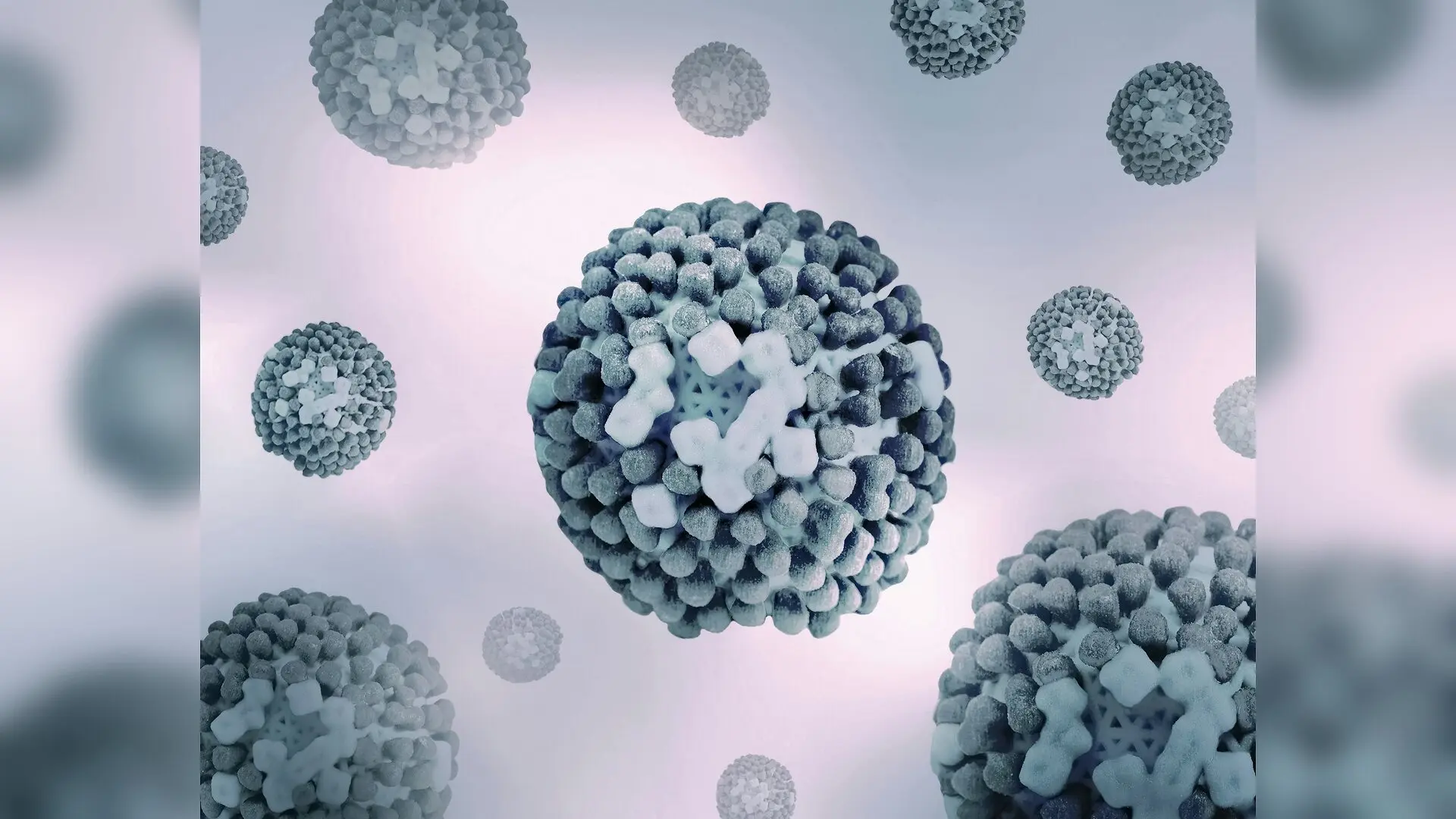
Researchers examined how human papillomavirus-associated head and neck cancers behave under current treatment strategies. The work offers a detailed look at viral oncogenesis and molecular pathways that could guide future clinical approaches.
Understanding Viral Oncogenesis in Tumors
Human papillomavirus-associated head and neck cancers, particularly oropharyngeal squamous cell carcinomas, represent a growing global health burden with rapidly increasing incidence over recent decades. These tumors are biologically and clinically distinct from human papillomavirus-negative variants, occurring more frequently in younger individuals with limited exposure to traditional risk factors such as tobacco and alcohol. Human papillomavirus-driven oncogenesis is mediated by viral oncoproteins E6 and E7, which disrupt genomic stability through inactivation of p53 and retinoblastoma pathways, promoting uncontrolled proliferation, genomic instability, and treatment resistance. Current therapeutic strategies for these malignancies include surgery, radiotherapy, and chemotherapy, with cisplatin-based chemotherapy serving as a common backbone alongside radiation.
The molecular differences dictate how these tissues respond to standard interventions compared to tumors driven by environmental carcinogens. The viral proteins actively interfere with cellular checkpoints that normally suppress abnormal cell division and repair damaged DNA. Cellular disruption caused by viral persistence creates a distinct microenvironment that influences both tumor progression and therapeutic vulnerability. Investigators analyzing these biological cascades note that understanding the exact viral mechanisms remains central to improving patient outcomes.
Investigating Therapeutic Resistance and Pathways
To uncover the underlying drivers of resistance, the team reviewed current clinical patterns and molecular interactions documented in modern oncology. The study, published in Medical Oncology, synthesizes existing clinical data regarding viral behavior and patient responses. Researchers emphasized that while human papillomavirus-positive tumors often respond favorably to initial therapy compared to human papillomavirus-negative cases, treatment failure still occurs in a subset of patients. Resistance mechanisms frequently involve DNA damage repair alterations and persistence of viral oncoprotein expression.
Managing recurrent or metastatic disease remains a significant clinical challenge for oncology teams worldwide. Investigators point out that optimizing patient stratification based on viral load and molecular markers could help tailor interventions more precisely. Clinical trials continue to test de-escalation strategies for favorable-risk patients alongside intensified approaches for resistant phenotypes, aiming to balance survival with long-term quality of life.
The research was published in Medical oncology (Northwood, London, England) on November 27, 2026.
This article has been fact checked for accuracy, with information verified against reputable sources. Learn more about us and our editorial process.
Last reviewed on .
Article history
- Latest version
Reference(s)
- Skinderowicz, Katarzyna., et al. “Recent therapeutic strategies for HPV-Associated head and neck cancers.” Medical Oncology, vol. 44, no. 1, November 27, 2026 Springer Science and Business Media LLC, doi: 10.1007/s12032-026-03526-w. <https://doi.org/10.1007/s12032-026-03526-w>.
Cite this page:
- Posted by David Anderson