Portable Virtual Reality Eye Exams Show High Patient Acceptance in Rural Virginia Clinics
A study of ninety-nine adults reveals strong usability ratings and complete test completion rates using a wearable headset perimeter.
Adults attending mobile vision clinics in rural Virginia easily completed virtual reality eye exams, pointing to a potential way to expand vision screening in underserved areas. Glaucoma and other neuroretinal conditions require regular testing of peripheral vision, a procedure known as perimetry, but traditional equipment is bulky, expensive, and largely restricted to specialized urban clinics. To test whether portable technology could bridge this gap, researchers evaluated a wearable virtual reality headset perimeter in community outreach settings.
The study, published in PLOS One by Kavin Selvan and colleagues at Virginia Commonwealth University, examined 99 adult participants across three outreach locations in Fishersville, Emporia, and Luray. Every participant completed binocular testing using the RetinaLogik Virtual Reality Headset Perimeter device, which weighs about six hundred twenty grams and operates on a rechargeable battery. Non-specialist operators administered the tests between routine vision assessments, completing both eyes in a median time of about four minutes and forty-eight seconds.
How Did Rural Patients Rate the Virtual Headset?
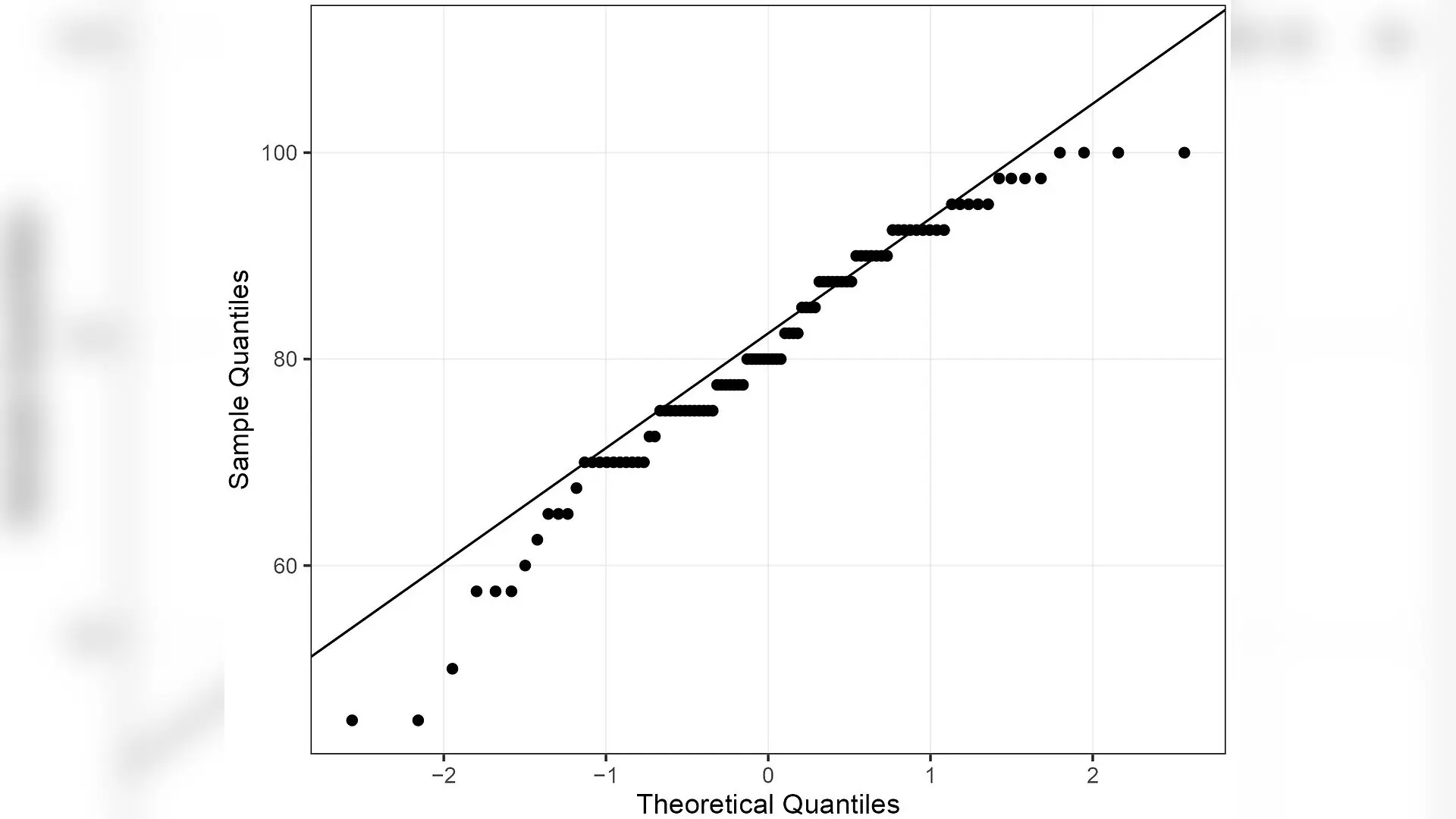
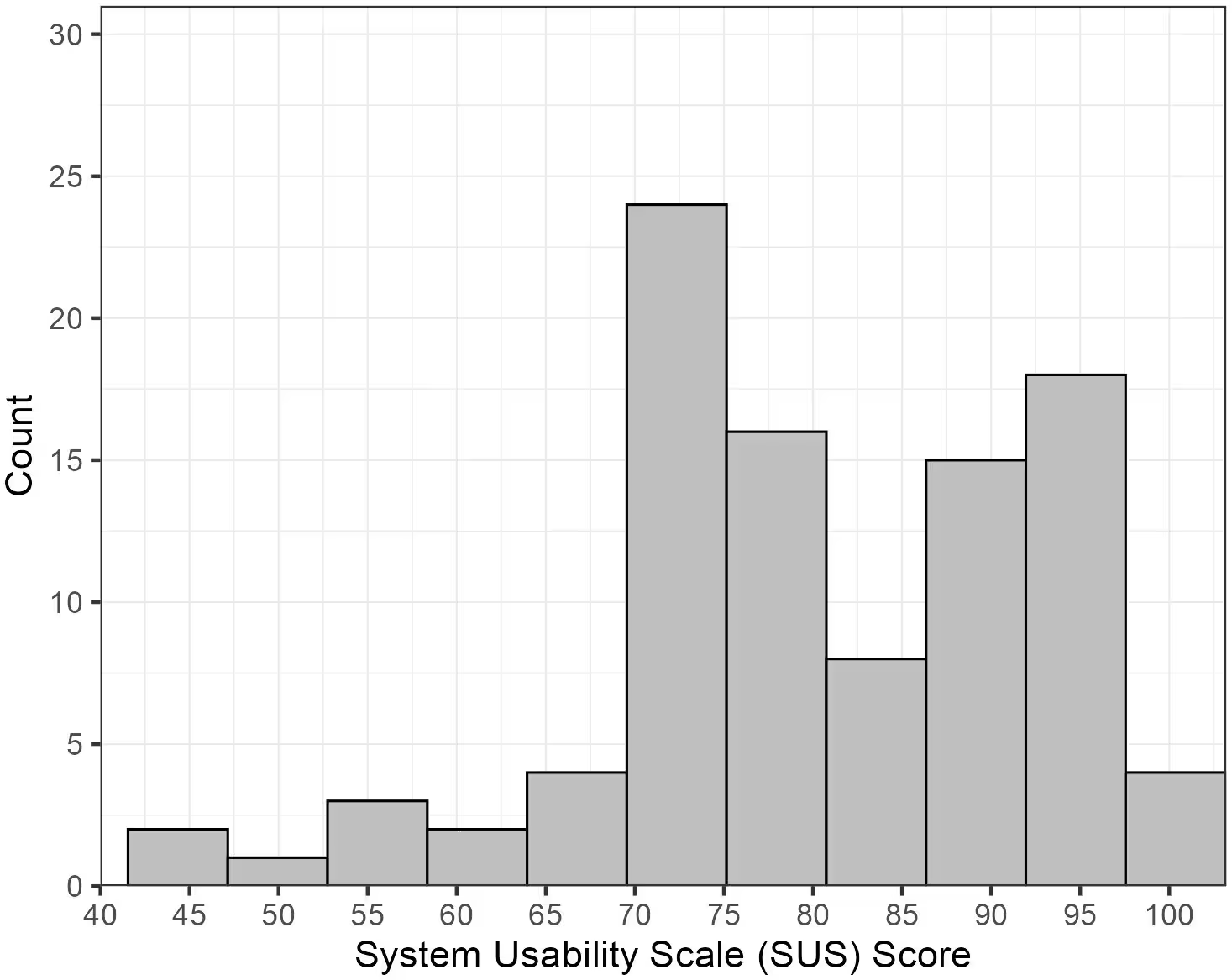
Using the standardized System Usability Scale, which measures device ease of use on a scale from zero to one hundred, participants gave the headset a median score of eighty out of one hundred. This corresponds to an A-minus grade, placing the system in the upper tier of usability ratings. Nearly ninety-one percent of participants stated they would be willing to undergo the test frequently, and more than seventy-five percent reported feeling confident while wearing the device.
Most participants disagreed with statements describing the procedure as overly complex or cumbersome. While about sixteen percent reported experiencing mild dizziness or physical discomfort during the headset examination, none of the participants aborted the test because of these symptoms, and every single enrolled person successfully finished the full bilateral assessment.
What Were the Reliability and Device Limitations?
The device records internal reliability indices, including false-positive responses, false-negative responses, and fixation losses during the tracking of eye movements. All participants maintained reliable false-positive scores in both eyes. However, false-negative responses exceeded standard reliability thresholds in about eight percent of right eyes and twelve percent of left eyes, varying by clinic location.
Statistical regression models found no significant links between usability scores and patient age, biological sex, racial background, clinic location, or baseline visual acuity measures. The authors note that the study focused strictly on patient acceptability and operational feasibility rather than diagnostic accuracy or clinical effectiveness compared against standard tabletop testing devices.
Why Is Portable Perimetry Important for Underserved Communities?
Glaucoma is a leading cause of irreversible blindness worldwide, affecting approximately eighty million people, and requires lifelong monitoring of functional vision loss alongside eye pressure checks. In rural regions, severe shortages of eye care providers and long travel distances often cause significant delays in specialized care. Portable virtual reality tools could eventually allow trained community healthcare workers to perform initial screenings outside traditional clinical environments, though future research must directly compare these headset devices against standard automated perimetry in older populations and patients with established eye diseases.
The research was published in PLOS One on November 25, 2026.
This article has been fact checked for accuracy, with information verified against reputable sources. Learn more about us and our editorial process.
Last reviewed on .
Article history
- Latest version
Reference(s)
- Selvan, Kavin., et al. “Evaluating the acceptability of virtual reality visual field testing in rural Virginia.” PLOS One, vol. 21, no. 11, November 25, 2026, pp. e0361218 Public Library of Science (PLoS), doi: 10.1371/journal.pone.0361218. <https://doi.org/10.1371/journal.pone.0361218>.
Cite this page:
- Posted by Jessica Martin