Global Liver Fluke Study Reveals Nine Percent Infection Rate in Livestock Worldwide
An extensive review of forty-nine million animals shows that cattle and sheep bear the highest burden of this creeping liver parasite.
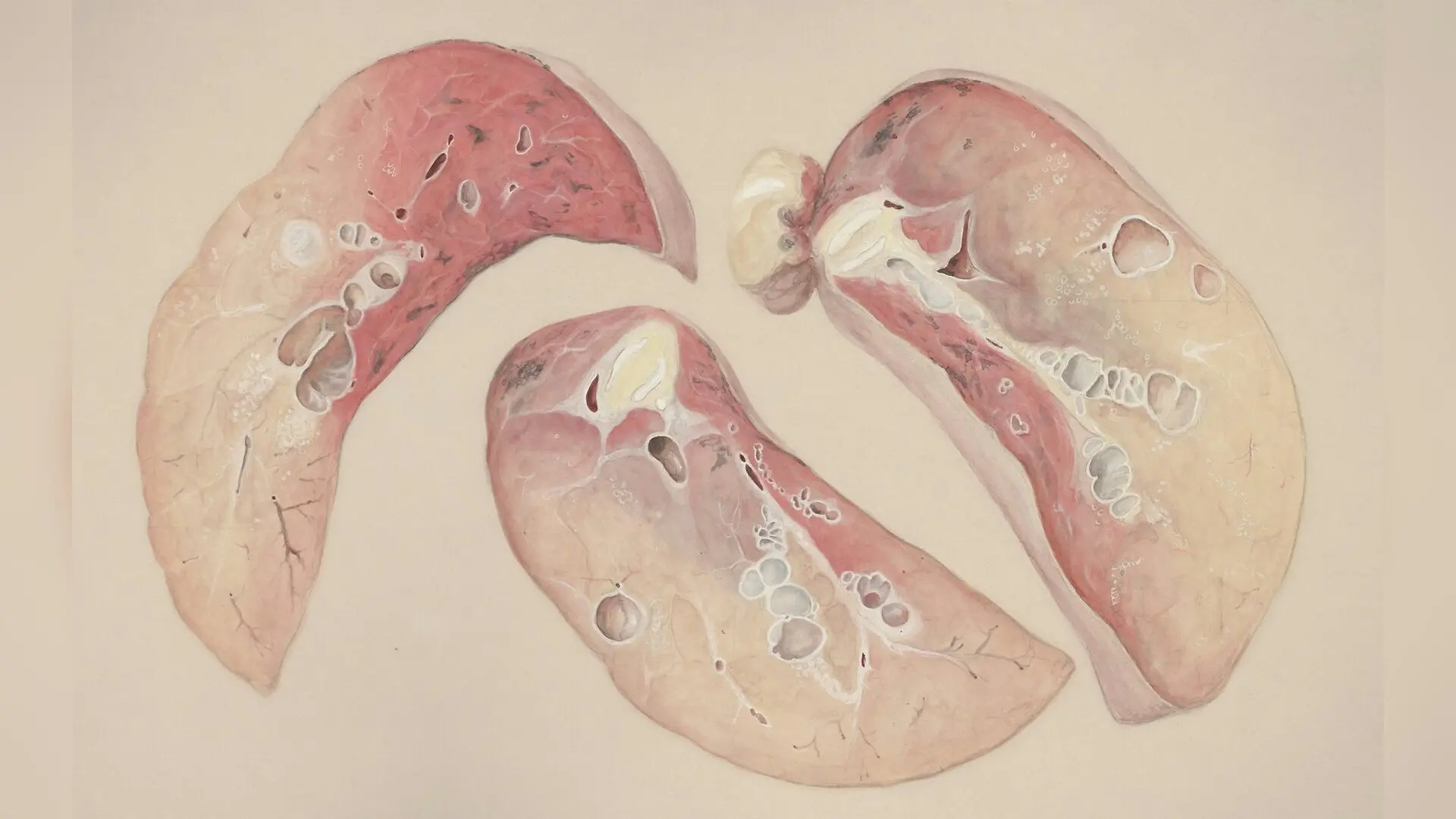
A tiny liver-dwelling parasite known as the lancet liver fluke is quietly affecting about nine percent of domestic livestock around the world, according to a comprehensive new global analysis.
How Does a Parasite Pass Through Snails and Ants to Reach Livestock?
The organism, scientifically designated as Dicrocoelium dendriticum, is a flatworm measuring up to ten millimeters in length that infects sheep, cattle, goats, and other grazing animals. Its complex life cycle reads like a biological adventure story, beginning when parasite eggs are released into pastures in animal waste. These eggs are consumed by land-dwelling snails, which then shed the developing parasites in microscopic slime balls. Ants eat these slime balls, and grazing ruminants accidentally swallow the infected ants while feeding.
Once inside the final animal host, the parasites mature and migrate to the liver and bile ducts. While many infections show few outward signs at first, chronic infections can lead to severe liver inflammation, scarring, and condemned organs at slaughterhouses, causing substantial financial losses for farmers worldwide. To understand the true global scale of this infection, researchers led by Raisa Rose Jakmakian and their colleagues evaluated decades of scientific literature published in the Journal PLOS Neglected Tropical Diseases.
What Did the Global Data Reveal About Infection Rates?
The research team analyzed 115 studies encompassing more than forty-nine million ruminants surveyed between 1966 and 2025. Using advanced statistical modeling, the authors calculated a worldwide pooled prevalence of about nine percent among livestock. However, the infection rates varied wildly depending on the host species, geographical region, and diagnostic technique used by researchers.
Cattle showed the highest pooled prevalence among major domestic livestock at about fourteen percent, closely followed by sheep at roughly eleven percent. Goats and camels experienced significantly lower detected rates, at under three percent and one percent respectively. Season also played a notable role, with higher infection frequencies recorded during the warmer months of spring and summer, when both snails and ants are more active in pastures.
Why Do Different Regions and Tests Show Such Varying Results?
Geographically, Africa recorded the highest pooled prevalence at roughly twenty percent, while Asia reported the lowest at about four percent. The choice of diagnostic method also dramatically shifted the numbers. Blood tests that detect antibodies, known as enzyme-linked immunosorbent assays, yielded the highest detection rates because they flag past exposure, whereas simple microscopic stool checks often missed lighter infections.
The authors noted that high statistical heterogeneity across the studies points to vast differences in local farming practices, climate conditions, and veterinary surveillance systems. These findings underscore the need for standardized diagnostic tools and targeted pasture management, such as avoiding grazing during early morning hours when infected ants climb to the tips of grass blades.
The research was published in PLOS Neglected Tropical Diseases on November 23, 2026.
This article has been fact checked for accuracy, with information verified against reputable sources. Learn more about us and our editorial process.
Last reviewed on .
Article history
- Latest version
Reference(s)
- Jakmakian, Raisa Rose., et al. “Tiny liver fluke, big impact: Global prevalence of Dicrocoelium dendriticum in ruminants revealed by 60 years of data (1966–2025): A systematic review and meta-analysis.” PLOS Neglected Tropical Diseases, vol. 20, no. 11, November 23, 2026, pp. e0014902 Public Library of Science (PLoS), doi: 10.1371/journal.pntd.0014902. <https://doi.org/10.1371/journal.pntd.0014902>.
Cite this page:
- Posted by Joseph Jackson