Aspirin Plus Ticagrelor Cuts Heart Bypass Graft Failure Rates by Half
A comprehensive network review of nearly 7,000 vascular grafts reveals which postoperative drug regimens best protect open-heart surgery patients.
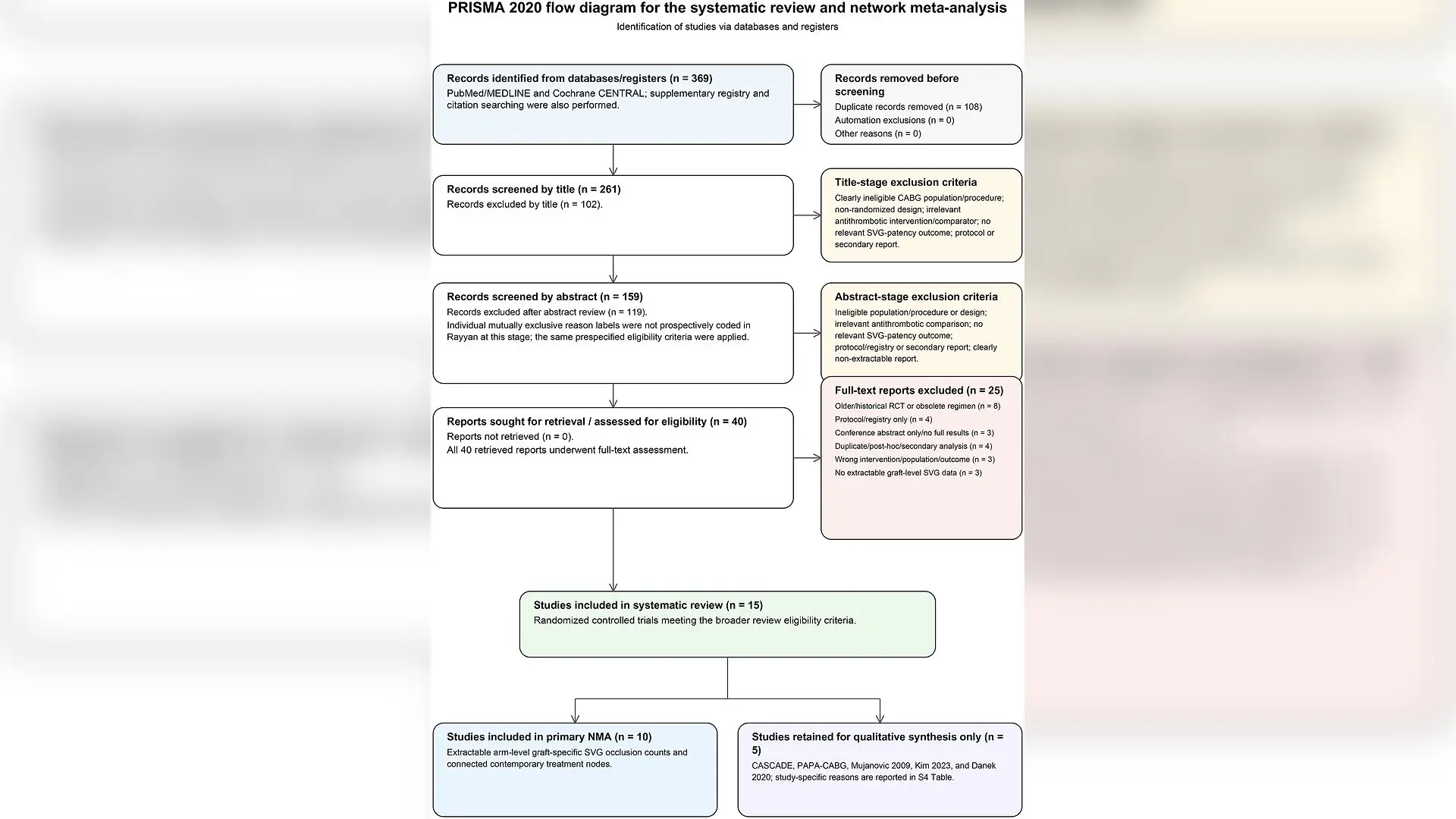
When surgeons use pieces of leg veins to bypass blocked heart vessels, about one in five of those new pathways fails within the first year, which can trigger chest pain, heart attacks, or even death. To figure out the best drug combination to keep these vessels open, researchers examined data from nearly 7,000 grafts across 10 randomized trials.
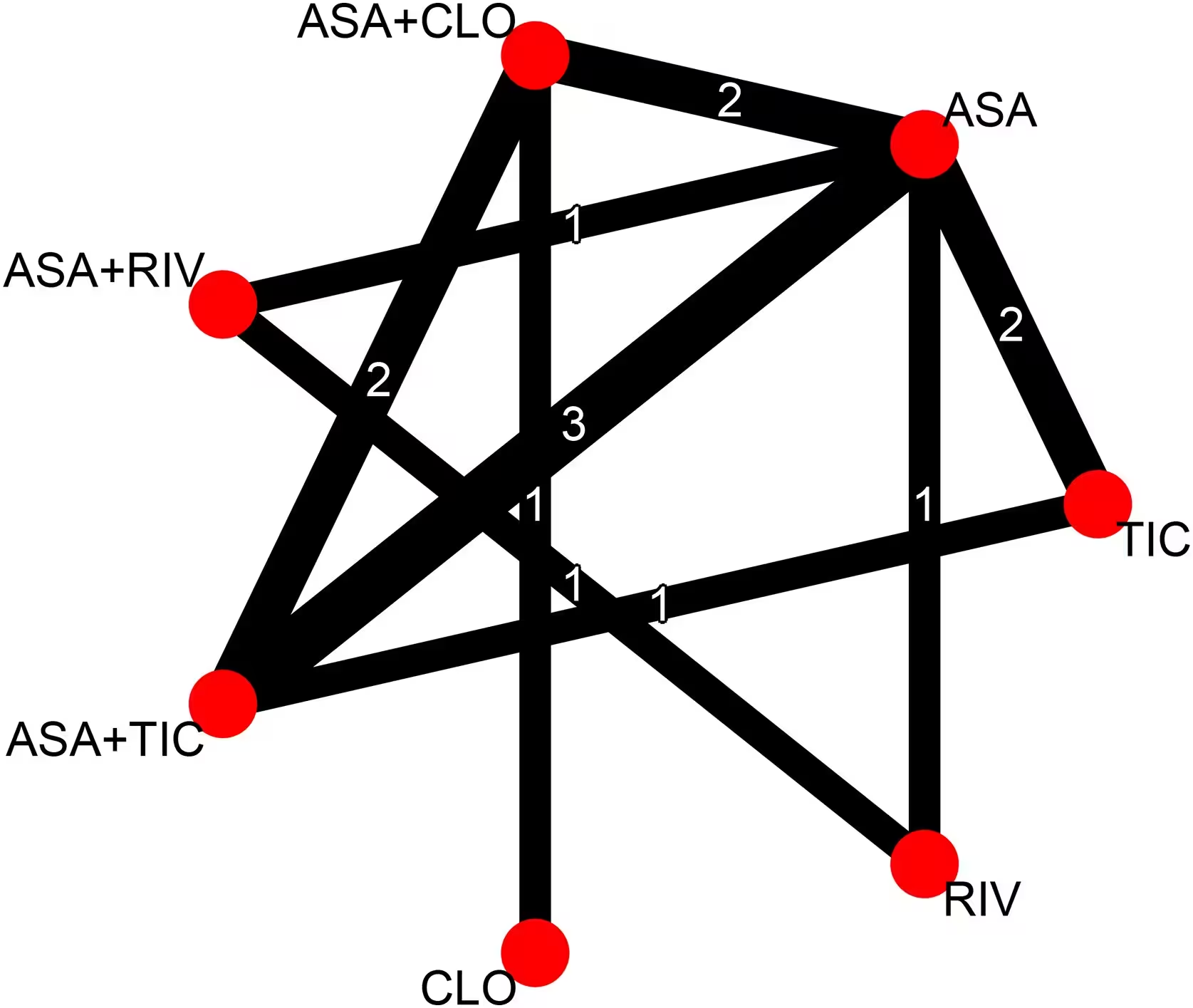
The analysis reveals that combining aspirin with a stronger blood-thinner called ticagrelor significantly cuts the risk of vein graft blockages compared to taking aspirin alone. The research team, led by Ayesha Irshad Ansari from a team of investigators, published in PLOS One, evaluating how seven different post-surgery medication regimens stack up against standard care.
Why Do Leg Vein Grafts Fail After Open Heart Surgery?
Coronary artery bypass grafting is a common, life-saving procedure for patients with severe heart disease, but the replacement vessels harvested from the leg, known as saphenous vein grafts, are vulnerable. Soon after surgery, blood clots can form where the vessel was handled and cut, while chronic inflammation and plaque buildup can choke off blood flow later on.
Aspirin has remained the global gold standard for preventing these clots because it blocks a specific chemical pathway in blood platelets. However, aspirin leaves another major platelet activation pathway completely untouched, meaning clots can still form. This limitation has driven doctors to test whether adding modern antiplatelet drugs or blood thinners can better protect the new plumbing of the heart.
Which Drug Combinations Showed the Strongest Results?
Out of all the tested strategies, only the pairing of aspirin and ticagrelor delivered a clear and statistically significant reduction in graft blockages. Patients taking this dual therapy had about half the odds of graft occlusion compared to those taking aspirin by itself. A second combination using aspirin and clopidogrel showed a favorable trend toward reducing blockages, but the statistical data fell just short of absolute certainty.
Other regimens, including ticagrelor alone, clopidogrel alone, or blood thinners such as rivaroxaban paired with aspirin, failed to demonstrate a meaningful advantage over standard aspirin therapy. The researchers also calculated a treatment hierarchy, placing aspirin plus ticagrelor at the top of the list for preserving graft openness, though the team noted that some comparisons relied on limited direct trial evidence.
What Are the Hidden Catch and Safety Trade-Offs?
While keeping bypass grafts open is a major anatomical victory, the authors emphasize that better plumbing does not automatically translate to a longer life or fewer overall heart attacks. Stronger antiplatelet medications come with a significant catch, namely a higher risk of dangerous bleeding episodes.
Recent clinical trials have shown that while dual therapy protects the blood vessels, it can substantially increase major bleeding events. Because of this trade-off, doctors cannot recommend the intensive two-drug regimen for every single bypass patient. Instead, the findings suggest that physicians should weigh the individual risk of graft failure against the bleeding hazards for each patient.
The research was published in PLOS One on November 23, 2026.
This article has been fact checked for accuracy, with information verified against reputable sources. Learn more about us and our editorial process.
Last reviewed on .
Article history
- Latest version
Reference(s)
- Ansari, Ayesha Irshad., et al. “Comparative efficacy of modern antithrombotic regimens for saphenous vein graft patency after coronary artery bypass grafting: A systematic review and network meta-analysis.” PLOS One, vol. 21, no. 11, November 23, 2026, pp. e0363210 Public Library of Science (PLoS), doi: 10.1371/journal.pone.0363210. <https://doi.org/10.1371/journal.pone.0363210>.
Cite this page:
- Posted by Joseph Jackson