Plant Genome Mapping Solves Decades-Old Mystery Behind Anti-Addiction Drug Precursors
Single-cell RNA sequencing reveals the hidden enzymes that let the iboga plant build two distinct medicinal chemical structures.
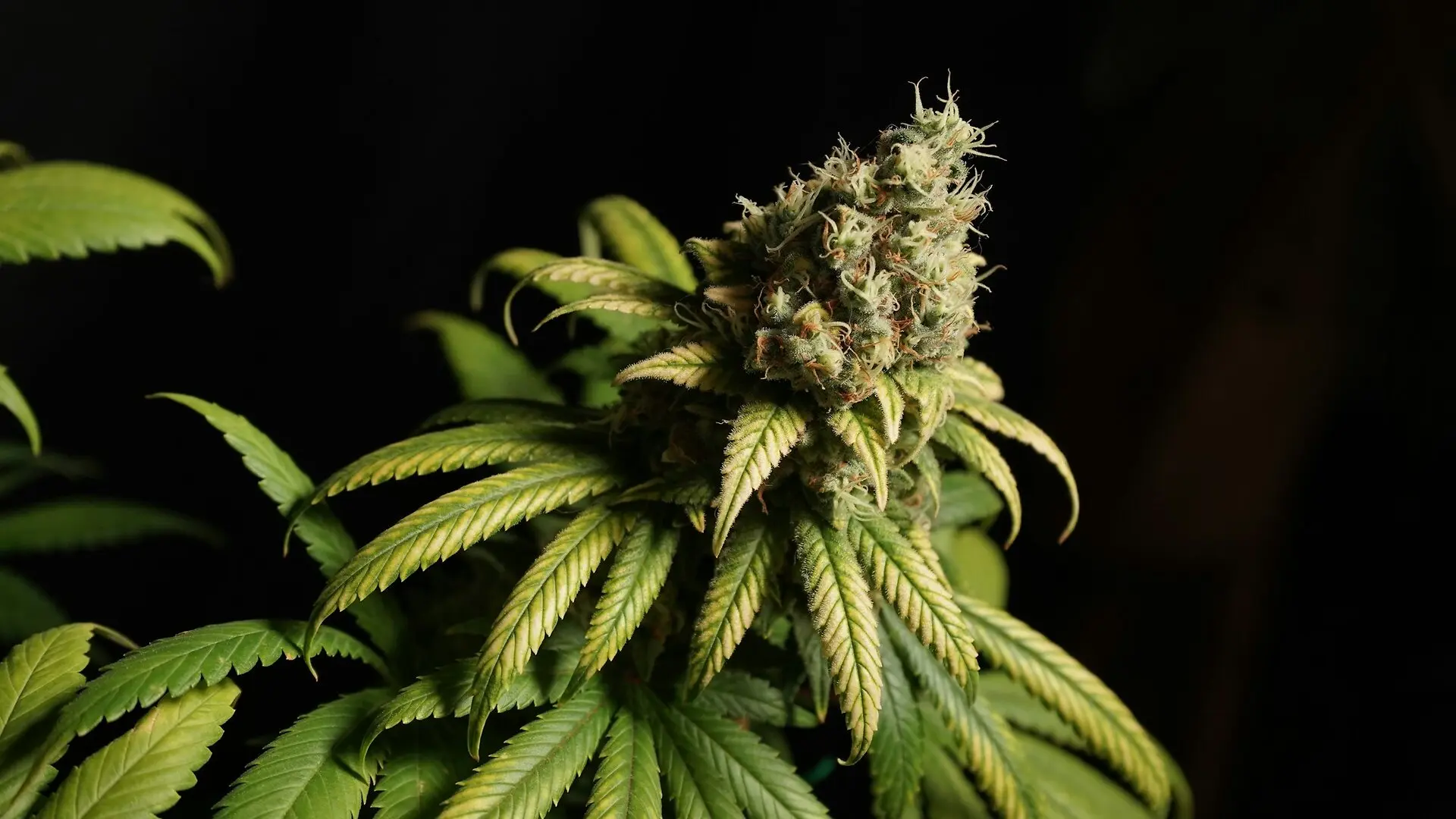
Scientists have finally unlocked the missing genetic steps that allow the medicinal plant Tabernanthe iboga to manufacture voacangine, a crucial chemical stepping stone for producing the anti-addiction medication ibogaine. Researchers identified two previously unknown enzymes that complete the laboratory production puzzle, opening doors to sustainable drug manufacturing.
For decades, researchers struggled to recreate voacangine production in laboratory host organisms because vital enzymatic steps remained hidden. The iboga plant, native to tropical Africa, produces complex natural compounds known as monoterpene indole alkaloids. While scientists understood the early phases of how the plant builds these structures, assembling the complete pathway outside the native plant was stalled because intermediate reactions could not be properly catalyzed under normal physiological conditions.
To uncover the missing genetic keys, a research team led by Moonyoung Kang and Sarah O’Connor at the Max Planck Institute for Chemical Ecology sequenced the complete Tabernanthe iboga genome and analyzed single-cell RNA sequencing data from root and leaf tissues. Their findings were published in Nature Communications in November 2026. By examining cells that co-expressed known pathway genes, the team pinpointed 35 strong gene candidates specifically active in root tissues where voacangine is synthesized.
How Did Researchers Identify the Missing Enzymes?
Through plant expression tests in the model plant Nicotiana benthamiana, the authors discovered that a specific pathogenesis-related protein, designated as a PR10-like protein, is required to drive the crucial ring-closing cyclization step. Additionally, an alcohol dehydrogenase enzyme significantly boosted the formation of the required chemical intermediates. Together, these two newly identified proteins successfully orchestrated the 1,4-reduction and subsequent cyclization needed to build the core scaffold.
Further analysis of the genetic data allowed the team to track down a cytochrome P450 enzyme named coronaridine 10-hydroxylase, which converts intermediate compounds directly into voacangine. By co-expressing seven specific genes in test plants, the researchers successfully reconstituted the entire voacangine pathway from precursor molecules.
Can This Approach Build Distinct Medicinal Scaffolds?
The genetic investigation also solved a parallel mystery concerning ibophyllidine, a structurally distinct alkaloid produced in both the leaves and roots of the iboga plant. By screening leaf tissue data, the team identified an expanded set of seven genes responsible for converting upstream precursors into pandoline and subsequently into ibophyllidine through an oxidative ring contraction.
The team found that a duplicated gene copy called a precondylocarpine acetate synthase evolved a larger active site through a process called neo-functionalization. This structural adaptation enables it to perform multiple distinct oxidation reactions, diverting the chemical flow toward ibophyllidine instead of voacangine.
What Are the Limitations of This Genetic Discovery?
Despite these significant biochemical advances, certain limitations remain in fully understanding the plant’s natural machinery. The physical lability and instability of several intermediate compounds prevented rigorous direct structural characterization in vitro, meaning researchers had to rely on modeling tools like AlphaFold3 and molecular dynamics simulations to study protein-substrate interactions.
Furthermore, while the early and middle stages of the pathways are now clear, the final step required to convert voacangine into ibogaine—involving de-esterification and decarboxylation—still requires a specialized decarboxylase enzyme that has not yet been isolated from the plant. Researchers note that future work will need to address these remaining gaps to fully optimize scalable bio-manufacturing platforms for anti-addiction therapeutics.
The research was published in Nature communications on November 21, 2026.
This article has been fact checked for accuracy, with information verified against reputable sources. Learn more about us and our editorial process.
Last reviewed on .
Article history
- Latest version
Reference(s)
- Kang, Moonyoung., et al. “Biosynthesis of iboga alkaloids.” Nature Communications, vol. 17, no. 1, November 21, 2026 Springer Science and Business Media LLC, doi: 10.1038/s41467-026-79750-9. <https://doi.org/10.1038/s41467-026-79750-9>.
Cite this page:
- Posted by Elizabeth Taylor