Silkworm Protein Scaffolds May Aid Regeneration Despite Strict Regulatory Hurdles
Recent analyses of silkworm protein biomaterials reveal strong regenerative potential across multiple tissues, yet commercial adoption remains constrained by raw material shortages and stringent medical regulations.
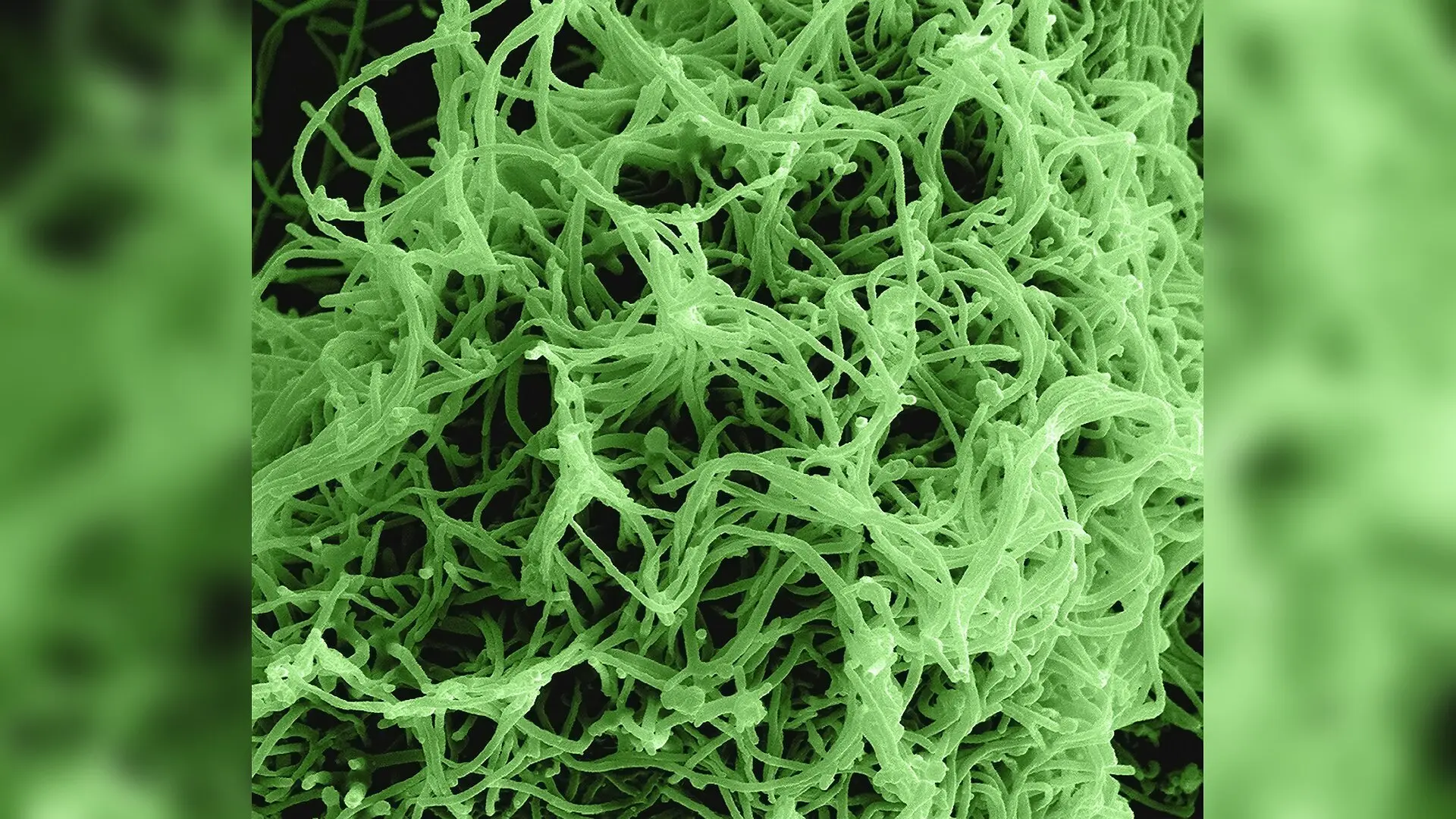
Researchers analyzed 1,000 annual publications on protein-based medical biomaterials, highlighting a shift toward advanced tissue engineering and regenerative medicine. This comprehensive review published in Exploration (Beijing, China) outlines the structural characteristics and clinical potential of silk fibroin.
Evolution of Silk Materials in Modern Medicine
Over the past 3 decades, medical applications of silkworm products have expanded from ancient textile heritage into sophisticated biomedical engineering tools. Braided sutures represent one of the earliest clinical uses with a history of over 300 years, while current investigations explore tissue-engineering scaffolds, drug delivery systems, and regenerative medicine. The transition from simple threads to complex medical devices marks a significant technological evolution for these protein biomaterials.
Annual publication output for the keyword silk fibroin remained below 100 papers annually before 2004 during an early exploratory phase. Output accelerated markedly from 2004 to 2013 during a developmental stage, and annual output has climbed sharply to about 1,000 papers over the past decade. This sustained productivity demonstrates substantial technological progress and indicates that research has entered a mature and relatively stable phase.
Molecular Hierarchy and Biological Adaptability
The material derived from the Bombyx mori silkworm consists of a light chain of 25 to 28 kilodaltons and a heavy chain of 350 to 400 kilodaltons linked by a single disulfide bond. Glycine, alanine, and serine together account for nearly 90 percent of the sequence, enabling the formation of densely organized beta-sheet structures that provide high mechanical strength. Abundant reactive side chains permit extensive chemical modification and cross-linking into various formats such as hydrogels, microspheres, sponges, films, fibers, and microneedles.
Beyond physicochemical properties, silk fibroin exhibits high biocompatibility, minimal inflammatory responses, no cytotoxicity, and low immunogenicity. Processed materials usually feature superior water vapor permeability and support critical cellular processes like adhesion, proliferation, and differentiation. Investigators can blend or cross-link the protein with gelatin, collagen, extracellular matrix, chitosan, or cellulose to introduce new functions or enhance existing performance.
Regenerative Applications Across Multiple Tissues
Silk-based scaffolds promote the osteogenic differentiation of bone marrow stem cells by inhibiting Notch-activated genes and enhancing alkaline phosphatase expression. Bone grafts utilizing these hydrogels promote efficient regeneration of large-sized defects at weight-bearing sites while down-regulating inflammation-associated genes. Similarly, double-network DNA-silk hydrogels enhance human mesenchymal stem cell adhesion and cartilage repair efficiency through Wnt and transforming growth factor beta signaling pathways.
For skin regeneration, silk fibroin methacryloyl hydrogels lead to a higher proportion of pro-regenerative macrophage subtypes and induce hair follicle stem cells for scar-free skin repair. Randomized clinical trials involving 71 participants showed that silk fibroin film significantly reduced the average wound healing period to 9.86 days compared to 11.35 days in control groups. Additional applications include biodegradable vascular grafts with core-shell structures and anisotropic composite conduits that activate the apelin signaling pathway to promote Schwann cell proliferation during nerve repair.
Current Translational Hurdles and Future Horizons
Despite vibrant research activity, only a handful of medical products beyond conventional sutures have obtained regulatory approval due to limited supplies of regulated medical-grade raw silk cocoons. Current knowledge relies heavily on traditional in vitro cell culture and histopathology assessments, which provide only a partial picture of behavior in vivo. A more comprehensive systems-level investigation encompassing cellular responses, local tissue reactions, and systemic effects remains essential to unlock full clinical potential.
The team notes that future success depends on developing standardized manufacturing protocols, green processing techniques, and rigorous multicenter clinical trials. Overcoming these translational barriers will allow researchers to transform laboratory innovations into reliable medical devices for orthopedics, wound care, and soft tissue repair.
The research was published in Exploration (Beijing, China) on November 28, 2026.
This article has been fact checked for accuracy, with information verified against reputable sources. Learn more about us and our editorial process.
Last reviewed on .
Article history
- Latest version
Cite this page:
- Posted by Robert Brown