Alexandria University Researchers Synthesize Resveratrol Copper Complex Exhibiting Superior Antioxidant Activity
New green synthesis routes and metal coordination dramatically boost the therapeutic potential and enzyme inhibition of resveratrol derivatives.
Researchers at Alexandria University synthesized a copper-resveratrol complex with a 70% yield that outperformed standard antioxidants in radical scavenging tests. The breakthrough addresses the poor aqueous solubility and low bioavailability that have historically limited the therapeutic potential of resveratrol in medicine.
Resveratrol is a natural antioxidant found in grapes, nuts, and berries that exhibits antibacterial, anti-inflammatory, and anticancer properties. Despite its wide range of biological applications, natural extraction yields are low and expensive. Synthetic production provides a viable alternative to secure industrial quantities for pharmaceutical use, published in RSC Advances.
Green Synthesis of Resveratrol Using Supported Cobalt Nanoparticles
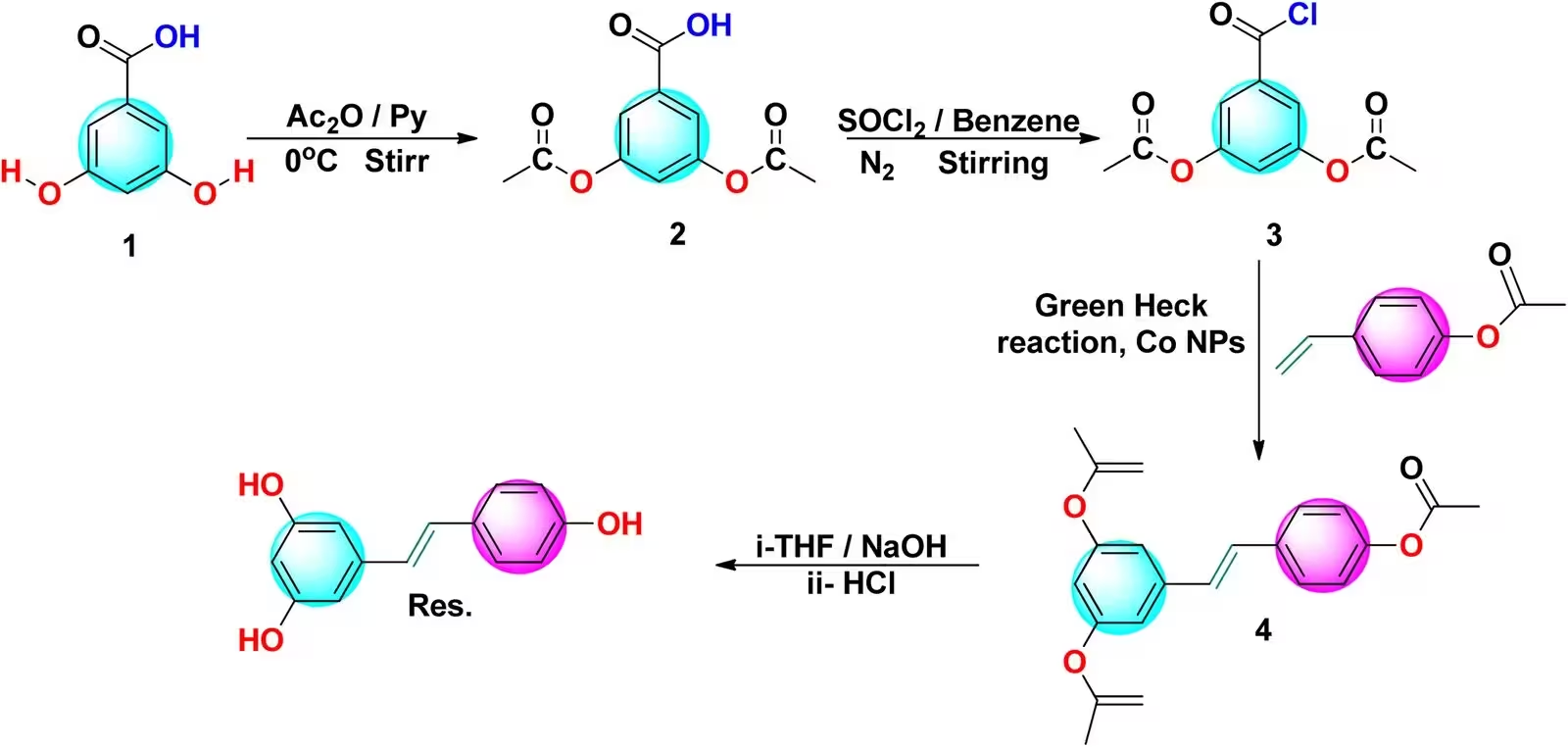
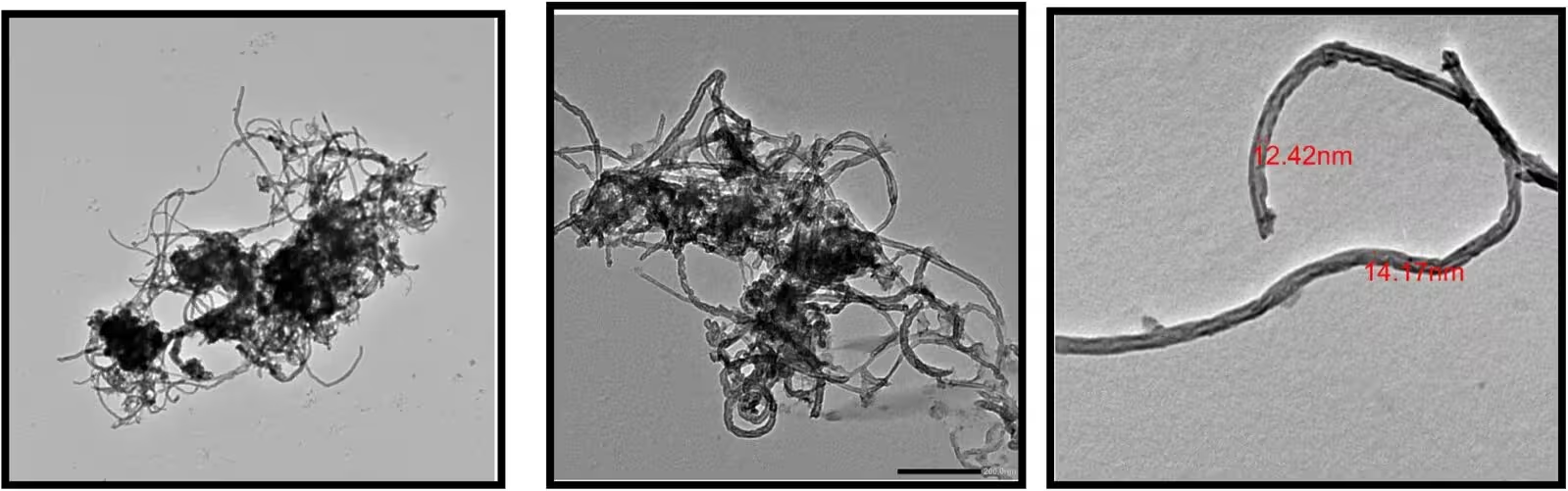
The team developed a sustainable synthetic route for resveratrol via a decarbonylative Heck coupling reaction. Cobalt nanoparticles supported on multiwalled carbon nanotubes acted as a heterogeneous catalyst to promote carbon-carbon bond formation under mild conditions. Microwave irradiation was utilized to shorten reaction times and minimize waste generation. The structural purity and crystalline nature of the catalyst were confirmed using transmission electron microscopy and X-ray diffraction analyses.
Structural Modification and Metal Complexation Strategies
To overcome the poor aqueous solubility of native resveratrol, the authors synthesized a hemisuccinate derivative through direct reaction with succinic anhydride. This modified ligand was subsequently coordinated with zinc and copper ions to generate novel metal complexes. Elemental composition analysis and mass spectroscopy verified successful complexation. Density functional theory calculations were employed to predict the relative stability of the resulting isomers, identifying the more stable structural conformation.
Distinct Biological Profiles of Zinc and Copper Complexes
Biological evaluations revealed that metal complexation significantly enhanced the antioxidant, antidiabetic, and anti-inflammatory properties of the resveratrol scaffold. The copper complex exhibited the strongest DPPH radical scavenging activity with an IC50 value of 0.095 mM. Conversely, the zinc complex demonstrated exceptional enzyme-inhibitory activity, displaying the most potent α-glucosidase inhibition with an IC50 value of 0.018 mM.
Cytotoxicity and Selectivity Against Cancer Cell Lines
Cytotoxicity assays against normal and cancer cell lines highlighted marked differences in selectivity between the two metal complexes. The zinc complex achieved the highest therapeutic index of 6.325 against lung cancer cells, indicating a favorable balance between anticancer efficacy and safety toward normal tissues. Meanwhile, the copper complex showed potent antiproliferative activity against MCF-7 breast cancer cells but exhibited higher toxicity toward normal human lung fibroblasts.
Leading author Doaa A. Ghareeb and colleagues noted that in vitro evaluations lacked physiologically relevant esterase activity, meaning the hemisuccinate ligand likely remained intact during testing. Future in vivo studies are required to assess metabolic stability and confirm the precise contribution of esterase-mediated hydrolysis to overall therapeutic performance.
The research was published in RSC advances on November 25, 2026.
This article has been fact checked for accuracy, with information verified against reputable sources. Learn more about us and our editorial process.
Last reviewed on .
Article history
- Latest version
Reference(s)
- Haiba, Nesreen S.., et al. “Green synthesis and metal-dependent bioactivity of resveratrol hemisuccinate Zn(
ii ) and Cu(ii ) complexes.” RSC Advances, January 1, 2026 Royal Society of Chemistry (RSC), doi: 10.1039/d6ra08479f. <https://doi.org/10.1039/d6ra08479f>.
Cite this page:
- Posted by Robert Brown