Dry Eye Disease Genetics Reveal Surprising Links to Autoimmunity and Chronic Pain
New insights into tear film instability and inflammatory pathways are paving the way for personalized precision medicine in ophthalmology.
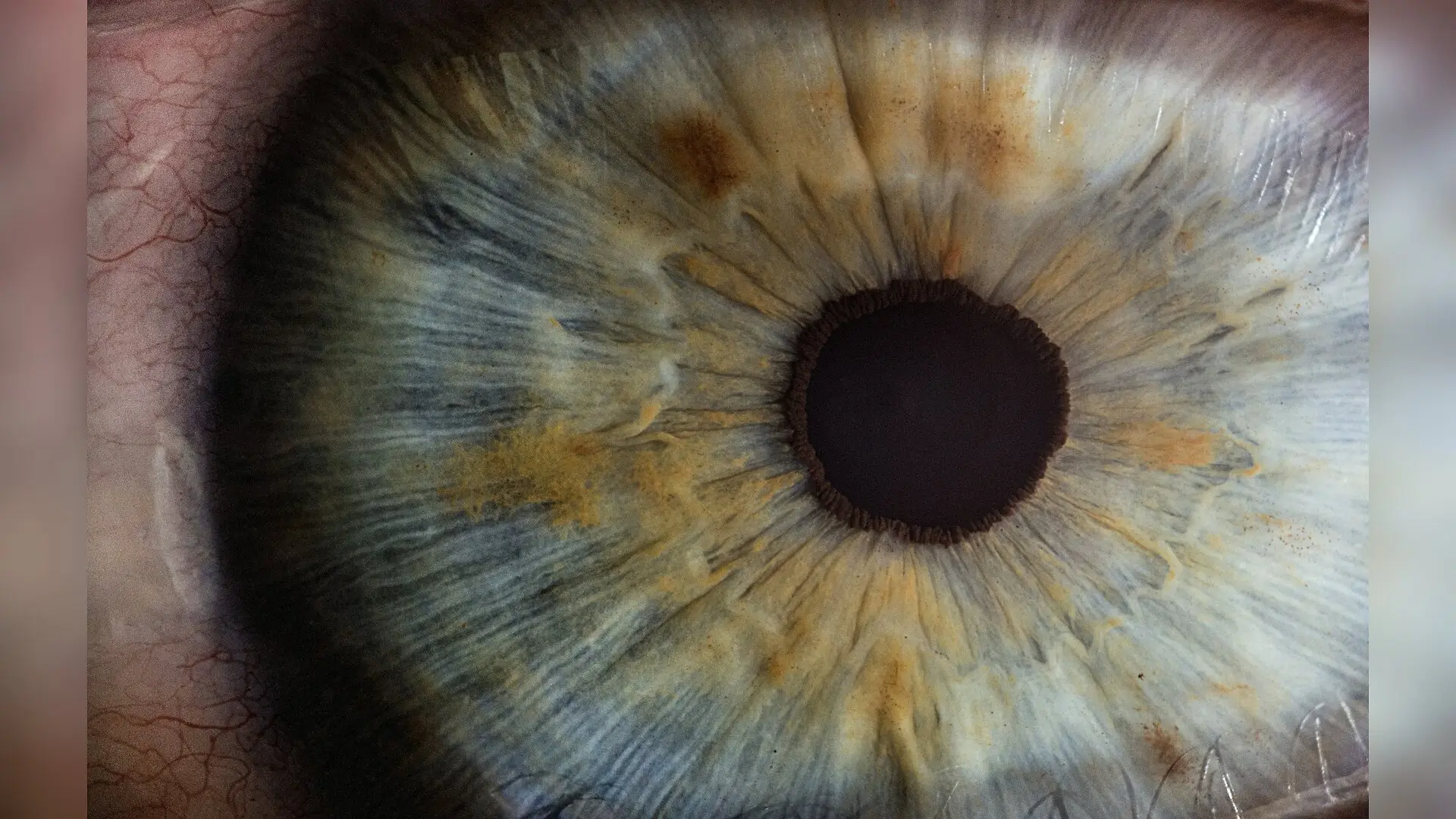
Dry eye disease affects up to half of the global population by disrupting the tear film and triggering chronic inflammation on the eye surface. A comprehensive narrative review published in Frontiers in Medicine details how modern science is shifting away from simple artificial tears toward advanced, personalized therapies driven by genetics and molecular biomarkers.
How Does Hyperosmolarity Fuel Ocular Inflammation?
When tears become too salty and concentrated, a state known as hyperosmolarity, they place severe physical stress on the delicate cells covering the cornea and conjunctiva. Lamia Alaalm and colleagues at Ferrara University note that this osmotic stress damages epithelial barriers and activates dangerous cellular sensors like the NLRP3 inflammasome. This triggers a self-reinforcing loop where the eye continually produces inflammatory signaling molecules, turning a temporary protective response into a chronic condition that persists long after the original trigger is gone.
Both the innate and adaptive immune systems play active roles in maintaining this cycle. Activated dendritic cells travel to regional lymph nodes to stimulate helper T cells, which then migrate directly to the eye surface. Once there, these immune cells release destructive cytokines that break down protective mucin layers and destabilize the tear film even further. Neurosensory abnormalities also develop as corneal nerve damage disrupts normal blinking reflexes and tear secretion.
What Can Multi-Omics and Genetics Tell Us About Patient Susceptibility?
Environmental factors like screen time and dry air are well known, but large twin studies show that genetics accounts for roughly forty percent of clinically diagnosed dry eye cases. Recent genome-wide association studies have identified ten independent genetic loci linked to synaptic function and autoimmunity. Multi-omics analyses, which combine genomics, transcriptomics, and proteomics, reveal complex biological networks connecting metabolism, oxidative stress, and immune dysregulation across different patient subgroups.
Despite these discoveries, researchers caution that individual genetic markers are not yet accurate enough for routine clinical risk prediction. Variations in tear sampling, assay platforms, and diagnostic thresholds continue to hinder the translation of multi-omics signatures into daily medical practice.
Can Biomarkers and Precision Medicine Improve Future Treatments?
Precision medicine aims to match specific therapies to a patient’s underlying disease drivers rather than relying on generalized symptom management. Matrix metalloproteinase-9, an enzyme associated with corneal damage, is currently one of the few inflammatory biomarkers available as a point-of-care test during routine clinical visits. Other diagnostic tools include tear cytokine profiling and human leukocyte antigen typing, though these remain largely exploratory.
Current treatment strategies are shifting toward mechanism-based interventions. Anti-inflammatory agents such as cyclosporine and lifitegrast target immune cell recruitment and T-cell activation, while newer options like varenicline nasal spray stimulate natural tear production through the trigeminal parasympathetic pathway. Although experimental nanomedicine delivery systems and stem-cell therapies show promise for improving drug bioavailability and tissue repair, extensive prospective clinical trials are still required before they become standard care.
The research was published in Frontiers in medicine on November 26, 2026.
This article has been fact checked for accuracy, with information verified against reputable sources. Learn more about us and our editorial process.
Last reviewed on .
Article history
- Latest version
Cite this page:
- Posted by Faisal Qureshi