How “Mixing” With Outsiders Protected This Sudanese Community From Malaria
A genetic study of Sudanese Copts shows how centuries of migration and population mixing helped shape natural resistance to malaria in a region where the disease has long shaped human survival.
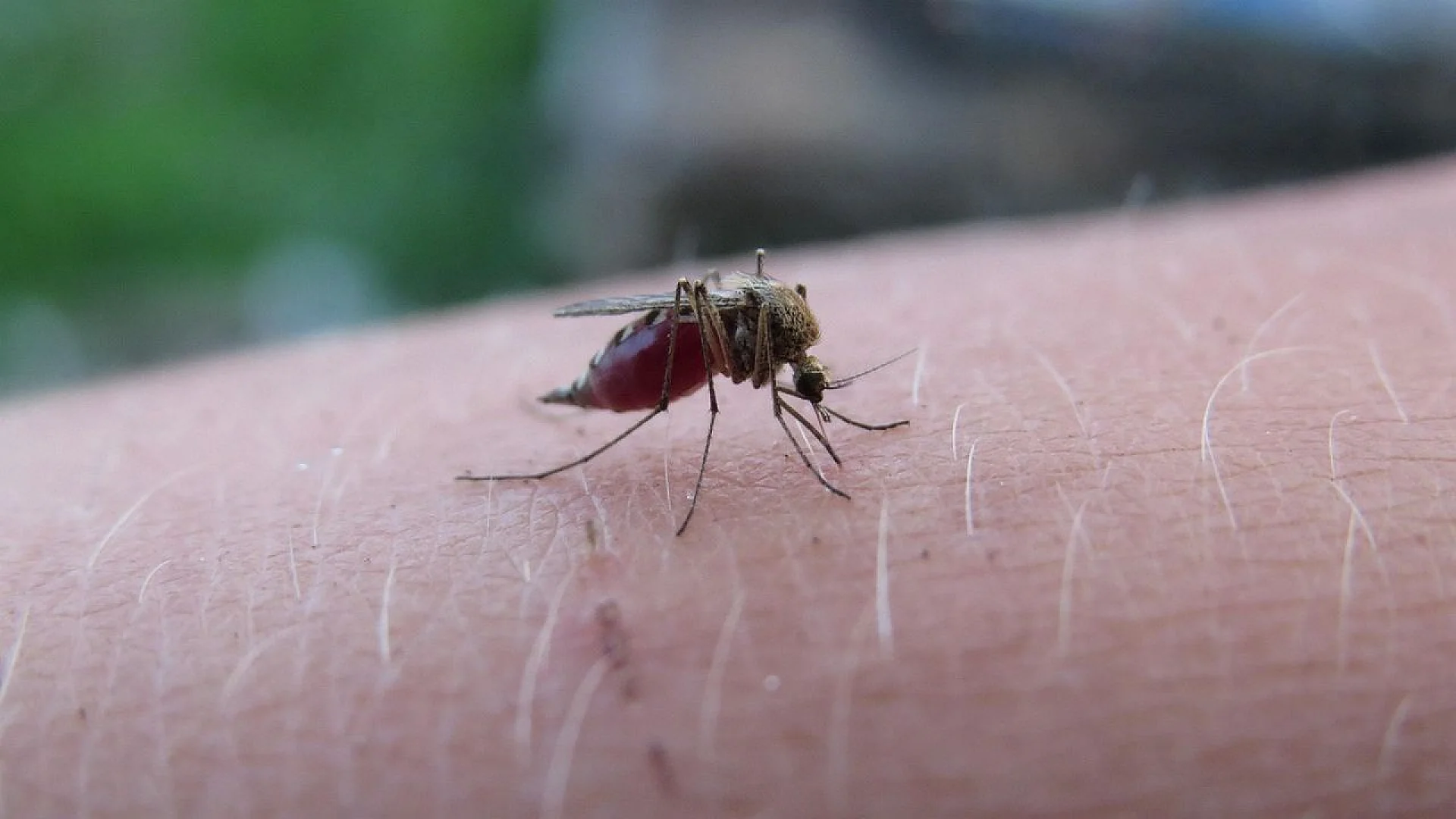
Malaria is not just a disease of the present. For thousands of years, it has quietly shaped who survives and who does not, especially across Africa.
The parasite spreads through mosquito bites and attacks red blood cells. In regions where malaria is common, even small biological advantages can mean the difference between life and death.
Over many generations, those advantages leave marks in DNA. Scientists can still see them today.
Sudan at the Crossroads of Continents
Sudan sits at a natural meeting point. Africa lies to the south, the Middle East to the northeast, and the Mediterranean world beyond that.
For centuries, people moved through this region for trade, work, and settlement. Rivers like the Nile made travel easier, while Red Sea routes connected Africa with Arabia and beyond.
This constant movement created a genetically complex population landscape, even among communities that appeared socially distinct.
Who Are the Sudanese Copts?
Sudanese Copts are a Christian minority group living mainly in northern Sudan. Historically, they have maintained strong religious and cultural boundaries.
Marriage often took place within the community, which might suggest genetic isolation at first glance.
But history rarely stays that simple.
Looking Beneath Cultural Boundaries
The researchers wanted to see what lay beneath these social borders. They analyzed genome-wide DNA data from Sudanese Copts and compared it with genetic data from nearby African, Middle Eastern, and Mediterranean populations.
These comparisons allow scientists to reconstruct ancestry patterns and estimate when different populations mixed.
The results showed a layered and surprisingly dynamic genetic history.
A Story Written in DNA
Sudanese Copts carry genetic contributions from multiple regions. These include sub-Saharan Africa, northeastern Africa, and populations linked to the eastern Mediterranean and the Middle East.
Some mixing events happened thousands of years ago. Others were more recent, within the past thousand years.
Together, they reflect Sudan’s long role as a bridge between continents.
Searching for Signs of Natural Selection
The team then looked for parts of the genome shaped by natural selection. These are regions where certain genetic variants became more common because they improved survival.
Many of the strongest signals appeared in genes linked to red blood cells and immune responses.
This matters because malaria parasites live inside red blood cells and interact closely with the immune system.
More Than One Path to Protection
Some of the protective variants found in Sudanese Copts are already known from other malaria-affected populations.
Others appear in different combinations or at different frequencies, shaped by local history.
This suggests that adaptation did not come from a single source or a single event.
Instead, it was built piece by piece.
Admixture as an Advantage
One of the study’s clearest messages is that population mixing helped, rather than harmed, adaptation.
Genetic variants that offered protection against malaria entered the community through admixture with different ancestral groups.
Once present, natural selection favored those variants in a malaria-heavy environment.
Over time, they became part of the population’s biological toolkit.
Moving Beyond the Sickle Cell Narrative
The sickle cell trait is often mentioned as the classic example of malaria resistance. It is important, but it is only part of the picture.
This study shows that many genes, each with modest effects, work together to influence malaria outcomes.
Some affect how red blood cells form. Others influence immune signaling or parasite growth.
Together, they create a more flexible and layered defense.
History, Culture, and Biology Intertwined
The findings remind us that human biology does not evolve in isolation.
Cultural identity, migration routes, trade networks, and historical events all shape genetic outcomes over time.
Sudanese Copts preserved a distinct religious identity, yet their genomes reflect centuries of contact with surrounding populations.
Both stories are true at the same time.
Why This Matters Today
Understanding genetic adaptation to malaria has modern value. Genetic variation can influence how people respond to infections, vaccines, and treatments.
Research like this helps explain why disease risk differs between populations.
It also highlights the importance of including historically understudied communities in genetic research.
What We Still Do Not Know
The researchers stress that genetics is only part of malaria resistance. Environment, mosquito exposure, and access to healthcare also matter greatly.
Future studies combining genetic data with clinical outcomes could help clarify how these variants affect disease severity today.
There may also be similar patterns in other populations shaped by long-distance trade and migration.
A Broader Lesson From Human Evolution
This study adds to a growing understanding that human adaptation often comes through connection rather than separation.
As populations meet and mix, they exchange ideas, culture, and biology.
In places shaped by infectious disease, that exchange can quietly improve survival over generations.
The research was published in PNAS on January 06, 2026.
This content has been reviewed by subject-matter experts to ensure scientific accuracy. Learn more about us and our editorial process.
Last reviewed on .
Article history
- Latest version
- Peer reviewed by Sunita Reddy, MS
Reference(s)
- Vilà-Valls, Laura., et al. “Sudan’s complex genetic admixture history drives adaptation to malaria in Sudanese Copts.” Proceedings of the National Academy of Sciences, 06 January 2026, doi: 10.1073/pnas.2516263123. <https://www.pnas.org/doi/10.1073/pnas.2516263123>.
Cite this page:
- Posted by Elizabeth Taylor